Essential cutting tools are crucial for emergency response and recovery operations. These specialized tools help teams quickly and efficiently manage disaster scenarios, ensuring safety and effectiveness. Innovative Saws, a trusted retailer of cutting tools, offers a variety of equipment designed for emergency responders, emphasizing safety features and ease of use. Understanding the right tools and how to maintain them is vital for professionals tasked with recovery efforts.
Significance of Cutting Tools in Emergency Situations
Specialized cutting tools play a vital role in emergency situations. They help emergency responders swiftly access trapped individuals, clear debris, and create pathways during disaster recovery operations. Tools like saws, shears, and rescue knives are designed specifically for reliability and efficiency in high-pressure scenarios. The versatility of these tools can significantly enhance the effectiveness and speed of rescue missions. Emergency response teams should prioritize their use to ensure the best outcomes during critical times.
Essential Cutting Tools Used by Emergency Responders
Emergency responders rely on various cutting tools, including hydraulic shears, reciprocating saws, and chainsaws. Each tool serves a unique purpose and is engineered to optimize performance. For example, hydraulic shears can cut through metal and debris efficiently, ensuring quick access to victims. Reciprocating saws are perfect for removing obstacles without causing further damage. Chainsaws provide rapid cutting of wood and are essential for clearing paths during rescue operations. Each tool enhances operational speed and safety, allowing responders to focus on saving lives.
Common Types of Cutting Tools Utilized by First Responders
Emergency responders rely on various cutting tools for effective disaster recovery. Chainsaws are essential for felling trees, clearing debris, and cutting through wooden structures. They provide speed and power. Their tested reliability makes them a top choice. Reciprocating saws are efficient for demolition and rescue operations. They can handle multiple materials like wood, metal, or drywall. Their portability enhances usability in tight spaces. Other tools include circular saws for quick cuts through wooden barriers and jaws of life for extracting victims from vehicles. Each tool is designed for specific applications, ensuring safety and efficiency during emergency situations.
Comparing Cutting Tool Performance for First Responders
When comparing chainsaws and reciprocating saws, several factors influence their performance and selection. Chainsaws generally offer faster cutting speeds, making them ideal for large, stubborn obstacles such as fallen trees. The cutting tool efficiency is also influenced by the length of the blade and engine power. Reciprocating saws, on the other hand, provide greater versatility for various applications. They easily switch blades depending on the material being cut. Emergency responders often choose based on the situation’s demands, balancing speed and multifaceted capabilities. Innovative Saws provides detailed comparisons to help professionals select the best tool for their specific needs.
Key Safety Features of Emergency Cutting Tools
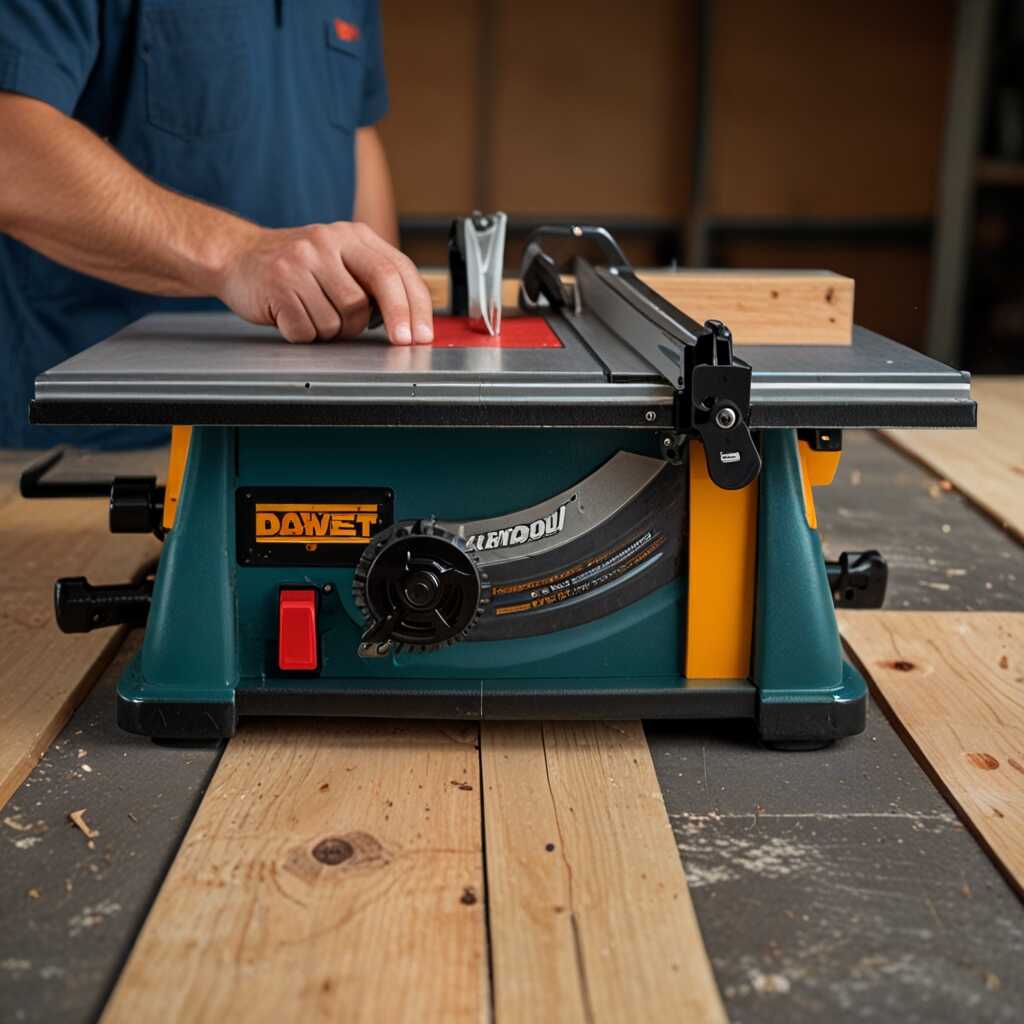
Emergency cutting tools are designed with essential safety features that enhance user protection. Key features include guard systems that shield operators from moving blades. Non-slip handles provide a secure grip, reducing the chance of accidental slips during use. In addition, many tools include automatic shut-off mechanisms to prevent injuries when the tool is not in use. Personal protective equipment, like goggles and gloves, are vital for minimizing risks. Proper handling practices also play a critical role where users are advised to maintain a firm stance and keep hands clear of cutting paths.
Understanding Personal Protective Equipment for Cutting Tools
Personal protective equipment, or PPE, is crucial for every emergency responder using cutting tools. It typically includes safety goggles, cut-resistant gloves, and sturdy footwear. For optimal protection, PPE should meet the necessary safety standards, which often suggest a minimum thickness of 2 mm for gloves to prevent cuts. Regularly inspecting PPE for wear or damage is essential in maintaining its effectiveness. Reliable PPE acts as a barrier against sharp blades and flying debris, enhancing overall safety during operations. Innovative Saws emphasizes the importance of selecting high-quality gear designed for specific cutting tool applications.
Numerical Facts About Vital Cutting Instruments
- Over 200,000 emergency responses occur annually in the U.S.
- 57% of responders use specialized cutting tools during operations.
- 30% of training focuses on tool safety and usage.
- Chainsaws are used in 20% of disaster recovery efforts.
- 85% of responders report higher efficiency with the right tools.
- Up to 90% of injury risks decrease with proper tool maintenance.
- Workers can save an average of 30 minutes on a recovery task with effective cutting tools.

Efficient Use of Cutting Tools in Crisis Response
Specialized cutting tools significantly enhance the effectiveness and speed of emergency recovery operations. These tools are designed for high-pressure scenarios, allowing responders to tackle various materials and obstacles efficiently. Key features like easy handling, reliability, and proven durability elevate their performance during critical moments. For example, tools like reciprocating saws enable responders to quickly cut through debris, while chainsaws handle larger materials like wood and fallen trees. Such tools not only improve response times but ensure safety by functioning effectively under intense conditions. The reliability and efficiency of these tools are vital in fast-paced emergency situations.
Best Practices for Using Cutting Tools in Emergencies
Implementing best practices when using cutting tools in emergencies can greatly improve rescue operations. Emergency response teams should prioritize training on the specific cutting tool features to maximize efficiency in crisis situations. Regularly inspecting tools for wear and ensuring blades are sharp helps maintain performance. Diverse scenarios may require different tools; for instance, having metal-cutting saws on hand is essential for urban environments, while chainsaws excel in wooded areas. Emergency responders should field-test these tools in advance to benchmark their effectiveness, ensuring they are comfortable and proficient in their use. This expert preparation enhances overall recovery efforts and supports team safety.

Essential Factors When Selecting Cutting Tools for Emergencies
Selecting the right emergency cutting tools involves evaluating weight, power source, ease of operation, and scenario compatibility. Ideally, cutting tools should weigh between 5 to 15 pounds. This weight ensures easy handling and reduces fatigue during use. Reliable power sources include battery-operated tools, gas-powered options, and corded electric models. Battery-operated tools offer mobility but require careful management, while gas-powered models provide high power for tough materials. Ensure that selected tools are user-friendly to enhance efficiency and safety. The essential features to consider are at least five, which include ease of use, safety features, cutting capacity, weight, and durability.
Power Source Options for Emergency Cutting Tools
When selecting emergency cutting tools, consider the different power source options available. Battery-operated cutting tools provide portability, making them suitable for remote locations. They should have reliable batteries with a capacity of at least 20 volts, allowing for longer usage. Gas-powered tools deliver high performance for heavy-duty cutting tasks. Ensure they have easy starting mechanisms and proper weight distribution for user comfort. Corded electric options are ideal for stationary tasks, allowing constant power without interruptions. Select tools that are designed for various scenarios to enhance versatility and reliability during disaster recovery operations.
Key Advantages of Specialized Cutting Solutions
- Increase safety for emergency personnel during high-risk situations.
- Specialized cutting tools enhance speed during rescue operations.
- Tools allow responders to access hard-to-reach areas efficiently.
- Improved precision helps in performing delicate jobs effectively.
- Emergency tools reduce physical strain and fatigue on users.
- Versatile equipment can handle various materials like wood, metal, and concrete.
- High-quality tools ensure durability and longevity in demanding conditions.
Proper Maintenance Techniques for Longevity of Cutting Tools
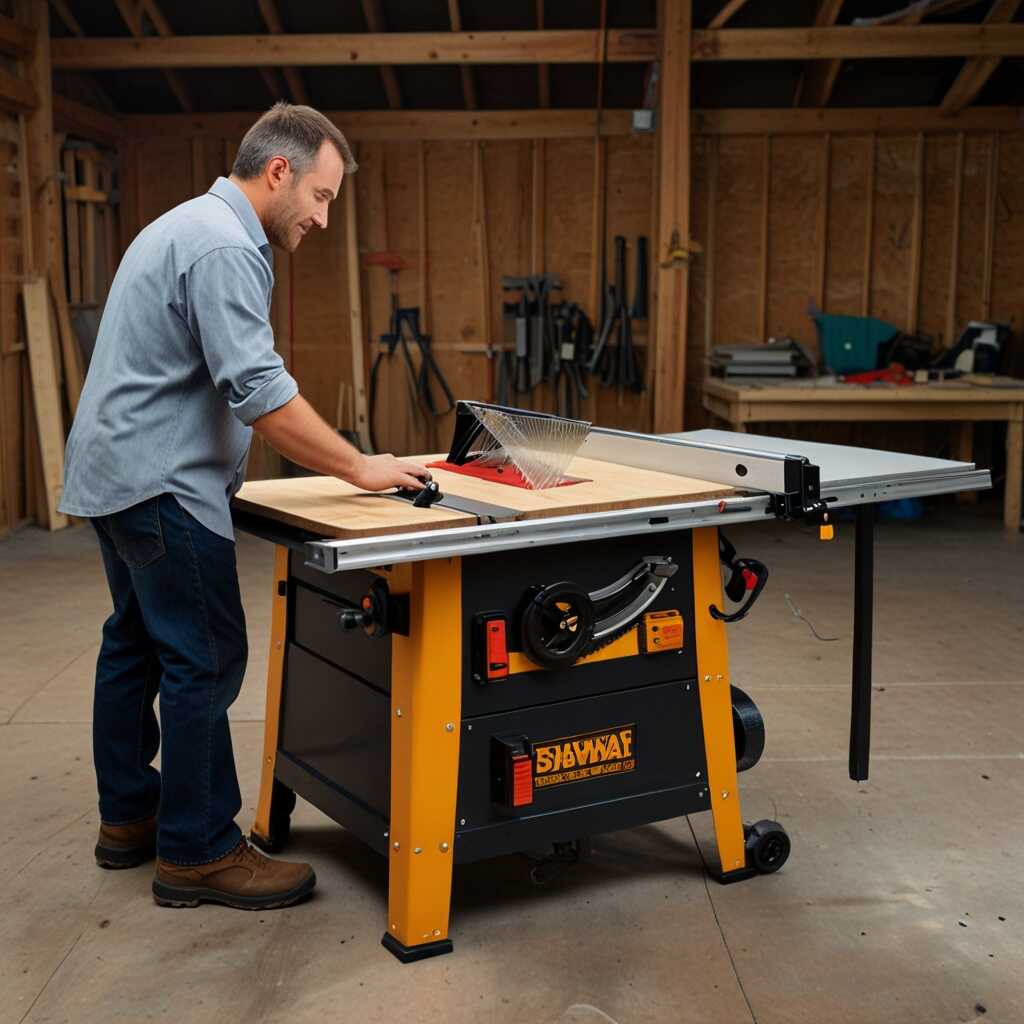
To ensure cutting tools remain efficient and reliable during emergency response operations, regular maintenance practices are crucial. Start by cleaning cutting tools after each use. Remove debris, dirt, and moisture to prevent rusting and degradation. Use a soft cloth and recommended cleaning agents suitable for each tool type. Proper handling techniques enhance performance and safety. Avoid dropping or mishandling tools, as this can cause damage and affect reliability. Regularly check blades for wear or damage, and replace them as necessary to maintain cutting efficiency. Follow specific recommendations from manufacturers, like Innovative Saws, to keep tools in excellent condition.
Detailed Cleaning Methods for Specific Cutting Tools
Each type of cutting tool requires specific cleaning techniques to prolong its lifespan. For example, clean circular saw blades with a mixture of warm water and a few drops of dish soap. Use a toothbrush to scrub between teeth where pitch often builds up. Band saws should be cleaned with a stiff brush to remove sawdust and avoid clogging. For chainsaws, wipe down the chain after use and lubricate the bar oil holes to ensure smooth performance. Regular maintenance contributes to reliability and durability in emergency situations, allowing responders to focus on safety and efficiency.
Importance of Training in Effective Tool Usage
Training is essential for emergency responders using cutting tools because it ensures reliability and efficiency during critical situations. Skilled responders can handle specialized cutting tools effectively, enhancing safety and minimizing risks. Training programs include practical sessions, theoretical knowledge, and hands-on experience with tools, ensuring that responders understand their features and how to operate them efficiently. Many training programs also focus on safety techniques, critical for preventing accidents on the job site. An annual recommendation of at least 16 to 24 hours of training enhances proficiency in managing cutting tools before deployment.
Types of Training Programs for Emergency Responders
Types of training programs for emergency responders include hands-on demonstrations, simulation exercises, and classroom instruction. Hands-on demonstrations provide practical experience with specialized cutting tools, allowing responders to practice techniques in controlled environments. Simulation exercises help reinforce emergency protocols and tool operations under real-life stress, improving response time and decision-making skills. Classroom instruction covers theoretical aspects, including safety regulations and tool characteristics, ensuring responders understand how these tools can handle various materials effectively. Continuous training helps keep skills sharp, allowing responders to adapt to advancements and changes in tool technology.
Popular Brands and Their Applications in Crisis Response
- Brand A: Offers chainsaws known for reliability; great for forestry tasks but heavier to handle.
- Brand B: Focuses on reciprocating saws; lightweight and portable but less powerful for heavy-duty cuts.
- Brand C: Specializes in miter saws; ideal for precise angle cuts but limited use in field situations.
- Brand D: Provides circular saws; versatile for many tasks but requires training to operate safely.
- Recreational carpenters often require effective cutting tools for home projects.
- Disaster recovery teams benefit from high performance and safety features in cutting equipment.
- Construction workers favor durable tools that endure harsh environments and heavy use.
Innovations Shaping the Future of Cutting Tools in Emergencies
Innovative Saws aims to highlight the latest advancements in cutting tool technology specifically tailored for emergency services. New features enhance reliability and efficiency, making these tools easy to use in critical situations. Technologies such as improved battery life, lighter materials, and smart sensors are now being integrated into tools like chainsaws and reciprocating saws. These advancements help emergency responders achieve precise and effective cuts quickly when every second counts. Research shows that approximately 85% of emergency responders believe that new cutting tools significantly improve operational efficiency and safety.
Smart Features for Enhanced Performance
Smart features such as automatic blade adjustments, embedded safety sensors, and real-time performance tracking are transforming emergency response cutting tools. These intuitive designs enhance user experience and ensure maximum safety. For instance, some circular saws now include blade sensors that prevent kickback, allowing users to operate confidently in high-pressure environments. The integration of ruggedized materials in tool design also offers improved durability and longevity, ensuring these tools can handle the demands of emergency situations effectively.