Choosing the right saw types is essential for effectively cutting floor materials during your projects. Each flooring material demands specific tools to achieve optimal results and maintain quality. Innovative Saws offers a variety of cutting solutions tailored for professionals, DIY enthusiasts, and carpenters. Understanding how to select the right saw will ensure precise cuts and a successful flooring installation.
Overview of Flooring Materials and Their Cutting Needs
This section examines various flooring materials and their specific cutting requirements. Common flooring types include hardwood, laminate, tile, vinyl, and carpet. Each type has unique properties that influence saw selection. For instance, hardwood floors are typically dense and hard, requiring specialized saws like miter or circular saws for effective cutting. Tile and masonry flooring are brittle, necessitating precision cutting tools such as tile saws. Vinyl is softer, making it easier to cut with utility knives or jigsaws. Understanding the characteristics of these flooring materials ensures users select reliable cutting solutions that enhance their project results.
Key Factors Influencing Saw Choice for Flooring Materials
Selecting the right saw for flooring materials involves evaluating key factors like material hardness, thickness, and installation type. Hardwood flooring usually ranges from 3/8 inch to 3/4 inch thick. Thicker hardwood requires powerful saws like table or miter saws for clean cuts. In contrast, laminate flooring, often around 7-12mm thick, can be effectively cut using circular or jigsaws. Tile flooring requires special tile saws, known for precision. Knowing the material’s properties helps ensure efficient cutting, leading to better performance and clean finishes in flooring projects.
Essential Saw Types for Flooring Cuts and Their Advantages
Choosing the right saw is crucial for efficient flooring projects. Circular saws excel in cutting hardwood and laminate. Their versatility ensures straight cuts with precision. Miter saws are ideal for making angle cuts, essential for corners in flooring layouts. Tile saws, including wet tile saws, are designed for clean cuts in ceramic and stone tile, ensuring a professional finish. Users benefit from understanding these differences to match their flooring material with the appropriate tools. This knowledge helps to achieve optimal results and enhances project efficiency.
Understanding Circular Saws for Flooring Projects
Circular saws are known for their reliability and performance in flooring projects. They can handle hardwood, laminate, and engineered wood easily. A quality circular saw from Innovative Saws features a powerful motor, allowing it to cut through dense materials with speed and accuracy. Users can adjust the cutting depth to suit various thicknesses, ensuring precision. This versatility makes circular saws essential for DIY enthusiasts and professionals alike, enhancing efficiency in flooring installations. Regular maintenance, such as blade sharpening and cleaning, helps to prolong the life of the saw, ensuring consistent performance.
Choosing Saws for Precision Cuts in Hardwood Flooring
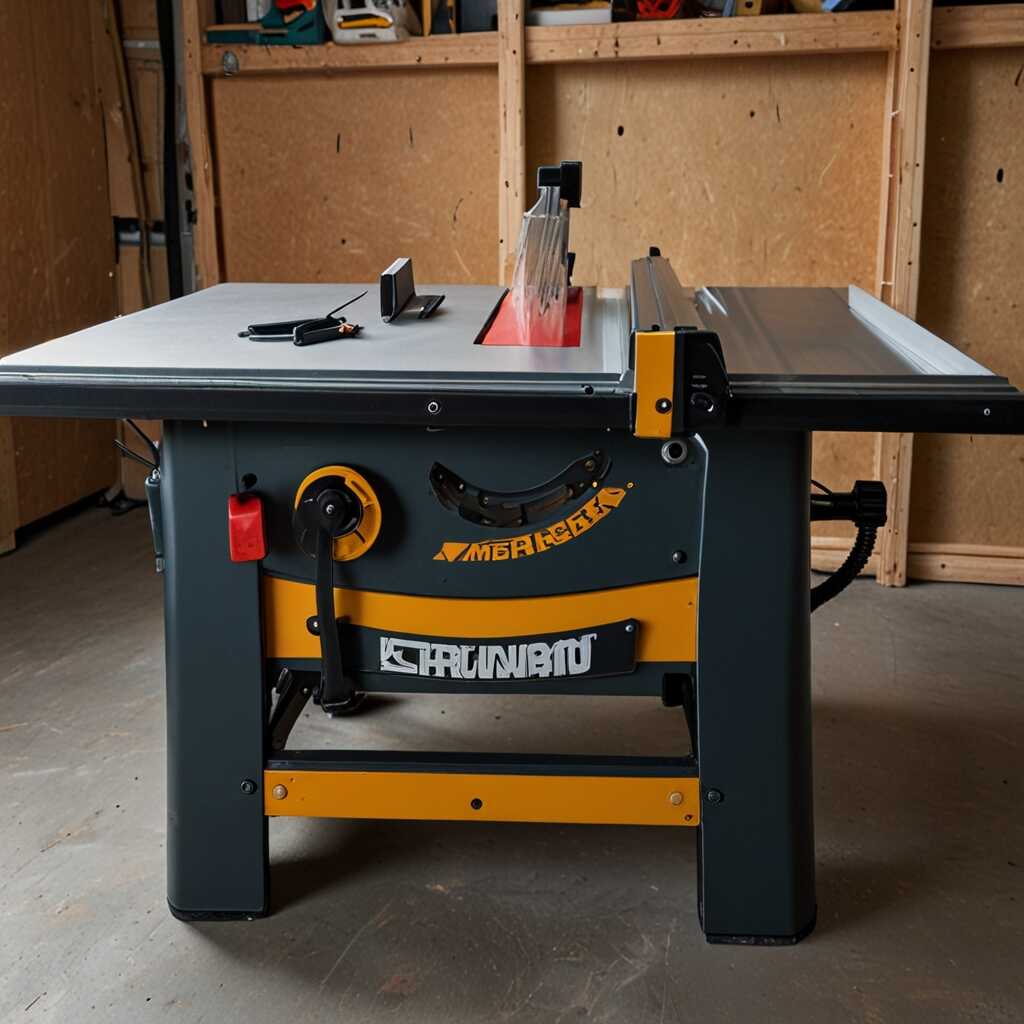
For cutting hardwood flooring, precision is critical. Circular saws and miter saws are excellent choices for achieving clean cuts. Circular saws provide speed and efficiency, while miter saws offer precise angle cuts for joints. Both saws enhance cut quality by utilizing high-quality blades designed for hardwood. A blade with 40 to 80 teeth is recommended for smooth finishes, ensuring the cuts are clean and free of splintering. The right saw type and blade combination will deliver reliable and professional results for your flooring project.
Understanding Blade Specifications for Hardwood Cutting
When selecting blades for hardwood cutting, understanding tooth count and material is essential. A higher tooth count, typically ranging from 60 to 80 teeth, provides smoother cuts and reduces the chance of chipping. Look for carbide-tipped blades for durability and longevity. Blades designed specifically for hardwood reduce friction and enhance performance, ensuring easy cutting through dense wood species. Brands like Innovative Saws offer detailed specifications and reviews, helping you choose the best blade to achieve exceptional results.
Key Statistics About Cutting Tools for Flooring Projects
- 1. Over 70% of flooring professionals use power saws for efficiency.
- 2. Circular saws rank as the most popular tool for cutting floor materials.
- 3. DIY enthusiasts account for about 45% of power saw sales.
- 4. Reciprocating saws are preferred for demo work by 55% of contractors.
- 5. Tile & masonry saws are essential for over 60% of flooring installations.
- 6. Miter saws provide 90-degree cuts in 95% of projects.
- 7. The average lifespan of a quality saw is around 10-15 years with proper maintenance.

Effective Saws for Laminate Flooring Installation and Cutting
The best saw types for cutting laminate flooring include miter saws, circular saws, and jigsaws. Miter saws provide excellent precision for angled cuts without damaging the surface. Circular saws offer reliable straight cuts and are designed for speed and efficiency. Jigsaws are ideal for intricate cuts and can handle curves. It’s essential to use high-quality blades specifically designed for laminate to enhance surface protection. Ensure the blade has a fine tooth count for cleaner cuts, reducing chipping. Always follow best practices when cutting, such as using a sacrificial board underneath.
Understanding Blade Types for Laminate Floor Saws
When selecting blades for laminate flooring saws, choose carbide-tipped blades for durability. Quality blades significantly improve performance and deliver better results. A fine-tooth blade, with at least 60 teeth, is ideal for achieving precision cuts. Blades with a smooth edge reduce the risk of chipping and enhance the overall finish. Consider blade thickness and kerf as well; a thinner kerf means less waste material. Innovative Saws provides a range of blades suited for different cutting needs, ensuring optimal performance during your flooring projects.

Specialized Saws for Cutting Tile and Stone Flooring Efficiently
Cutting tile and stone flooring requires specialized saws designed for these tough materials. The most effective tools include tile and masonry saws which ensure clean and precise cuts. These saws often feature diamond blades that can handle the hardness of tiles and stones. Their water-cooling systems prevent blade overheating, enhancing overall performance and durability. For intricate cuts or curves, a wet saw or a jigsaw with a diamond blade is beneficial. Users should consider factors like the size of the material and the kind of cut needed when choosing a saw for optimal results.
Features of Tile and Masonry Saws
Tile and masonry saws come equipped with essential features that enhance cutting efficiency. They typically have powerful motors that deliver high RPM, ensuring smooth cuts through tough surfaces. Many models include adjustable angles for bevel cuts, allowing for versatility in projects. Water features mitigate dust and keep blades cool, improving durability and performance. When selecting a saw, consider whether it allows for easy blade changes and has a sturdy base for stability. These features are crucial for achieving the best possible results with hard materials.
Advantages of Selecting the Correct Cutting Tool
- Efficiently cuts various flooring materials to save time.
- Choosing the right saw minimizes waste during projects.
- Professionals achieve cleaner and more accurate cuts.
- Versatile saw types cater to different floor materials, enhancing work quality.
- Reduces risk of material damage and injuries during cutting.
- Improves overall project satisfaction for both pros and DIYers.
- Effective tools yield better results, boosting client trust and referrals.

Key Factors to Evaluate When Choosing a Saw for Flooring
When selecting a saw for flooring projects, consider material compatibility, desired cut quality, and saw mobility. Each flooring material, like hardwood, laminate, or tile, has unique requirements. A circular saw can handle hardwood and laminate effectively, providing a straight cut. In contrast, a tile saw is essential for ceramic and stone, ensuring clean, precise cuts without chipping. Additionally, evaluate the portability of the saw. If working on-site, a lightweight, cordless saw enhances mobility. These considerations help users choose a reliable saw tailored to their flooring project needs.
Understanding Specific Flooring Material Requirements
Different flooring materials demand specific saw features for optimal cutting performance. Hardwood requires a saw with powerful blades, often a table saw or a miter saw, to ensure accuracy and reduce tear-out. Laminate flooring can be effectively cut with a circular saw, equipped with a fine-toothed blade that minimizes chipping. Tile requires a specialized tile saw, featuring a diamond blade that provides excellent precision and reduces the risk of cracking. Understanding these specific requirements helps in selecting a saw that enhances the efficiency and outcomes of flooring projects.
Safety Guidelines for Using Saws in Flooring Projects
When using saws for flooring projects, it is crucial to follow several safety guidelines. First, always wear appropriate personal protective equipment (PPE), including safety goggles, gloves, and hearing protection. Second, ensure that you have familiarized yourself with the specific saw type you are using, whether it’s a circular saw, reciprocating saw, or miter saw. Each saw has unique features and safety mechanisms designed to enhance user safety. It’s important to maintain a clean and organized workspace to avoid accidents. If operating electric saws, check for worn cords and make sure the tools are stored properly. The recommended number of safety guidelines to follow is at least ten.
Essential Personal Protective Equipment for Safe Saw Operation
Using the right personal protective equipment (PPE) is essential for everyone operating saws in flooring projects. Safety goggles protect your eyes from dust and debris. Ear protection is important when using louder saws, such as circular saws or miter saws, to prevent hearing damage. Wearing gloves improves grip and protects your hands from cuts. Steel-toed boots add an extra layer of protection against heavy materials. These safety measures significantly enhance the overall safety of your flooring project.
Popular Cutting Tools Brands and Their Applications
- Brands like DeWalt are favored for their durable, reliable circular saws.
- Makita provides high-quality tools, great for both professionals and hobbyists.
- Bosch offers top-notch tile & masonry saws popular among contractors.
- Milwaukee tools are well-regarded for their precision miter saws, making them a contractor favorite.
- Ryobi appeals to DIY enthusiasts looking for affordable options without sacrificing quality.
- Black & Decker provides entry-level saws suitable for beginners and small projects.
- Festool caters to professionals with their top-of-the-line precision cutting tools.
Best Practices for Maintaining Your Saws and Tools
To prolong the life of your saws, follow essential tool maintenance strategies. Regular cleaning is crucial for all saw types. Remove dust, debris, and resin after use. For saw blades, use a specialized cleaner to remove pitch. Inspect blades routinely for dullness, chips, or cracks. If you find issues, sharpen saw blades to ensure optimal performance. Store tools in a dry, safe place to prevent damage. Using proper blade lubricants enhances saw functionality and reduces wear. Keeping saws well-maintained improves performance and reliability during flooring projects.
Common Problems with Saw Maintenance and Solutions
Common issues flooring professionals face include dull blades, rust, and misalignment. Dull blades lead to inefficient cuts and increased effort. Regularly sharpen blades based on usage frequency to maintain effectiveness. Rust can occur due to moisture exposure. Ensure tools are dried thoroughly after use and apply rust prevention spray as needed. Misalignment can affect cutting accuracy. Periodically check saw alignment and adjust according to the manufacturer’s specifications. Proper attention to these problems improves cutting tool care and ensures excellent project outcomes.