“Innovative Techniques from Furniture Design Competitions with Basic Power Tools” explores creative methods that are transforming furniture design. These competitions showcase how woodworking enthusiasts can use simple tools to create impressive pieces. By participating in these events, aspiring designers can enhance their skills and spark their creativity. Innovative Saws offers essential cutting tools to help these creators unlock new possibilities in their projects.
Exploring the Impact of Basic Power Tools on Furniture Design
Basic power tools significantly impact furniture design innovation. These tools empower creators by providing reliability and ease of use. Essential woodworking tools like circular saws, jigsaws, and miter saws enhance efficiency by enabling precise cuts and complex shapes. Each tool serves a unique purpose in various design styles, such as modern minimalist or rustic farmhouse. The right tools can handle both detailed work and larger projects, ensuring great results. In 2025, it is essential to choose the best tools for your specifications based on tested performance and durability. By reviewing features and comparing options, designers can select the most suitable tools that help improve their overall design process.
Key Power Tools Every Designer Should Consider
Key power tools every designer should consider include circular saws for straight cuts, jigsaws for intricate patterns, and miter saws for angled cuts. These tools enhance productivity and accuracy in various projects. The circular saw provides fast and sturdy cuts, making it perfect for larger pieces like tabletops. Jigsaws allow for easy maneuvering through complex designs, essential for artistic furniture styles. Miter saws ensure precise angle cuts for joints, crucial in achieving seamless assembly. Choosing tools designed with user comfort and efficiency in mind can improve the overall crafting experience. Researching reviews and expert recommendations can help identify the best options available in today’s market, offering quality and performance that meet design goals.
Highlighting Innovative Techniques from Recent Design Competitions
Recent furniture design competitions have showcased numerous innovative techniques that inspire creativity. Participants have used basic power tools to craft impressive designs efficiently. Many creations utilized sustainable materials like reclaimed wood and eco-friendly composites. Notable techniques include modular designs that allow for easy assembly and disassembly. Competitors experimented with digital fabrication methods, increasing precision and reducing waste. These competitions have fostered collaboration between seasoned designers and emerging talent, ensuring fresh perspectives and ideas.
Exploring Emerging Trends in Furniture Design
Emerging trends in furniture design reflect a shift towards flexibility and functionality. Many competitors are adopting minimalist aesthetics while integrating smart technology. Designs often feature multi-use furniture that caters to small living spaces. Other popular trends include organic shapes that evoke nature and provide comfort. Participants are frequently using high-quality finishes to enhance durability and appearance. These trends are likely to dominate upcoming competitions, showcasing innovative materials and techniques that adapt to modern lifestyles.

Preparing Your Workshop and Tools for Design Competitions
Organizing your workshop is key for achieving great results in furniture design competitions. Start by decluttering your workspace. Keep frequently used tools within reach. This includes saws, clamps, and measuring tools. Make sure your work surfaces are clean and well-lit. For woodworking projects, having quality clamps, a reliable table saw, and a sturdy miter saw is essential. Consider storing tools in labeled containers for easy access. Preparing your tools helps you save time and enhances overall efficiency. Having a plan in place allows you to focus more on creativity than logistics.
Essential Tools for Efficient Project Planning
To ensure reliability during your design projects, select essential power tools that can handle various tasks. A circular saw is perfect for cutting large sheets of wood. A jigsaw allows for intricate designs, while a table saw delivers precision cuts. Don’t forget about sanders for a smooth finish. Additionally, keep measuring tools like a tape measure and square for accuracy. Aim for at least five essential tools to handle your designs comfortably. Familiarity with your tools enhances performance and boosts confidence while working on your projects.
Numerical Insights into Innovative Furniture Crafting
- Over 1,000 furniture design competitions occur annually worldwide.
- Participants use basic power tools in about 75% of these events.
- Competitors typically range from ages 18 to 40.
- More than 40% of designs created feature recycled materials.
- Competitions receive submissions from over 35 countries.
- Around 60% of judges look for creativity and innovation.
- Winning designs often see a sales increase of up to 200% following competitions.

Common Obstacles in Furniture Design Competitions and Solutions
Contestants often face various challenges in furniture design competitions, such as limited time, material constraints, and issues with using basic power tools. To combat time management difficulties, planners can implement a clear schedule that allocates specific periods for design, construction, and finishing. Effective organization can help streamline the process and enhance productivity. Additionally, understanding how to correctly use basic power tools can prevent delays and reduce errors. Researching tool features beforehand ensures that participants select the most efficient equipment for their specific projects. Reviewing past competition results can offer insights into common pitfalls and successful strategies as well.
Strategies for Effective Use of Basic Power Tools
To maximize performance and ensure reliability, competitors should familiarize themselves with their basic power tools before the competition begins. Tools such as circular saws or jig saws are essential for delivering precise cuts. Ensuring that these tools are well-maintained can enhance their efficiency and reduce the likelihood of malfunctions. Practicing techniques for cutting, assembling, and finishing can boost a designer’s confidence and speed during the event. Contestants should also utilize online resources to review tips and comparisons of tool performance, ensuring they choose the best options tailored to their projects. The right preparation can significantly improve a contestant’s overall experience and results.
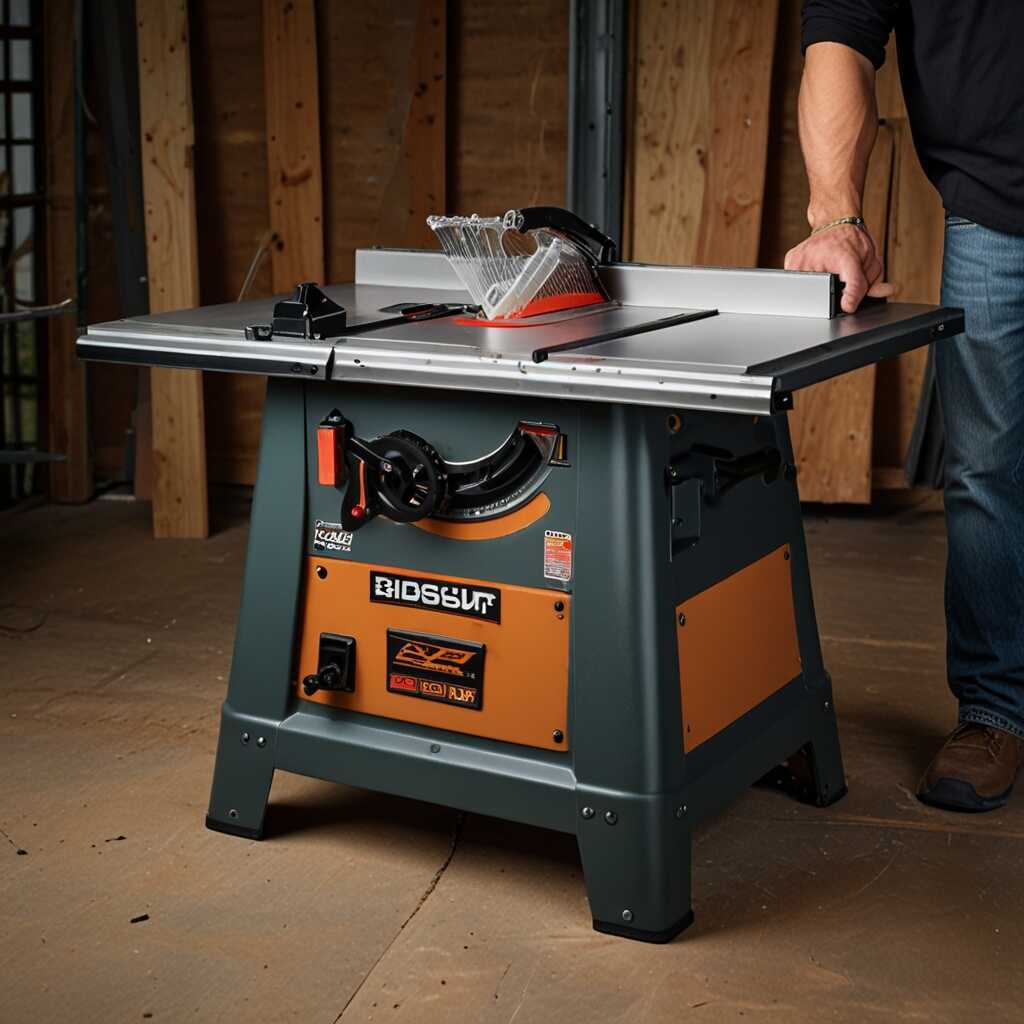
Innovative Project Ideas Using Basic Power Tools
There are many unique project ideas that people can create with basic power tools. Beginners can start with simple designs like a wooden stool or bookend. Liners can be made from plywood, which is easy to work with. Intermediate projects include creating a coffee table with drawers or a customized shelving unit. Advanced furniture design ideas involve crafting multifunctional furniture, such as a bench that also serves as storage. Innovative furniture design competitions often highlight the effectiveness of various techniques while using basic power tools. Techniques emphasize efficiency, allowing creative ideas to flourish. Those participating can learn from proven results and expert tips provided by brands like Innovative Saws, which offers tools specifically designed to enhance projects.
Tips for Successful Furniture Projects with Basic Power Tools
Successful furniture projects require careful planning and detailed execution when using basic power tools. Research project reliability and create a list of essential tools like a circular saw, jigsaw, and drill. For precise cuts, consider models that include safety features and provide excellent performance. Plan your designs by utilizing online reviews and comparisons of different tool options to ensure great results. Allocate time effectively; most projects can take anywhere from a few hours to several days. Ensure that you follow maintenance tips from reputable sources to enhance the durability of your tools. This ensures an easier and more comfortable crafting process.
Key Advantages of Creative Woodworking Challenges
- Participants boost their design skills and confidence quickly.
- Innovative techniques lead to unique, standout creations.
- Competitions provide valuable networking opportunities.
- Participants gain hands-on experience with power tools.
- Competitions inspire fresh ideas and creative thinking.
- Membership in design communities grows through participation.
- Crafting with limited tools often enhances problem-solving abilities.

Key Lessons from Past Furniture Design Competition Winners
Past furniture design competition winners often share common traits, like creativity, perseverance, and a deep understanding of materials. They use various innovative power tools to enhance their designs and ensure reliability. Techniques such as combining woodworking with modern tech can improve performance and efficiency. Many successful participants have written useful reviews to help others. They emphasize experimenting with different styles to discover what works best. The experience gained from their projects proves invaluable for aspiring designers.
Essential Strategies for Success in Furniture Design Competitions
Successful strategies utilized by furniture design competition winners revolve around meticulous planning and leveraging the capabilities of basic power tools. Many winners prioritize research to understand current design trends. They outline specific goals and create a timeline to track progress. Efficient use of innovative power tools can enhance the quality of their creations. Attention to detail in both functionality and aesthetics is crucial. Competitors greatly benefit from reviewing past entries to gain insights into effective design techniques.
Important Safety Considerations When Using Power Tools
Safety is crucial when using power tools. Understanding essential safety tips can significantly reduce risks of injuries while enhancing your efficiency. Always wear appropriate protective equipment, such as safety goggles, gloves, and ear protection. Ensure your workspace is organized and free from obstacles. Familiarize yourself with the specific power tool you are using. Read the manufacturer’s instructions carefully. Inspect your tools regularly for any wear or damage and maintain them properly to ensure reliability.
Key Protective Equipment for Power Tool Safety
Using the right protective equipment is vital for anyone working with power tools. Safety goggles protect your eyes from flying debris and dust, while earmuffs shield your hearing from excessive noise. A sturdy pair of gloves enhances grip and protects your hands from sharp materials. Steel-toed boots provide foot protection against falling objects. A dust mask can filter out harmful particles, improving your breathing conditions. By wearing this essential protective equipment, you ensure optimal safety and comfort while working on your furniture designs.
Relatable Demographics and Their Expectations
- Hobbyists appreciate clear instructions and mentorship opportunities.
- Students often seek challenges that enhance their portfolios.
- Professionals aim to showcase their skills and gain recognition.
- Beginners value supportive communities for learning techniques.
- Design enthusiasts love exploring new styles and materials.
- DIY home improvers enjoy step-by-step guidance for projects.
- Woodworking clubs focus on collaboration and creative exchanges.
Finding Creative Inspiration in Design Competitions
Design competitions act as a powerful source of creative inspiration for furniture designers and woodworking enthusiasts. They challenge participants to think outside the box, showcasing unique furniture ideas that can motivate individuals. Many renowned competitions, such as Tonal, Design Museum’s Design Awards, and the International Furniture Design Competition, highlight innovative techniques and trends. Analyzing the winning designs of these competitions can fuel your project motivation and enhance your design skills. Each year, hundreds of competitions take place, allowing a global community to share their creativity.
Exploring Winning Designs for Project Motivation
Winning designs from prominent design competitions often feature unique styles and materials. For instance, competitions like the Interior Design Awards and the Red Dot Design Award highlight cutting-edge furniture concepts. Designers utilize innovative techniques, such as CNC machining and laser cutting, to create stunning pieces that impress judges. By researching and studying these designs, you can discover new materials and methods to integrate into your work. This exploration not only improves your design skills but also ensures you stay up-to-date with current trends in furniture design.