Achieve cleaner cuts in furniture making with zero clearance inserts on table saws for improved precision. These inserts minimize the gap between the blade and the insert, reducing tear-out and ensuring smoother edges. When used with quality products from Innovative Saws, these inserts can significantly enhance your woodworking techniques. Choosing the right zero clearance insert can help you create professional-quality furniture with ease.
What are Zero Clearance Inserts and Their Advantages for Woodworking
Zero-clearance inserts are components designed for table saws that ensure the blade’s opening is nearly the same width as the blade itself. This minimizes gaps in the insert, providing better support for the wood and reducing tear-out during cuts. The benefits of these inserts include improved precision in woodworking projects and the elimination of chipping or splintering on the cut edges, which is essential for quality furniture making. Various types of zero-clearance inserts are available, each tailored to specific table saw models, enhancing performance and reliability.
Choosing the Right Zero-Clearance Insert for Your Table Saw
When selecting a zero-clearance insert, consider factors like material compatibility and blade size. Materials commonly include phenolic resin and melamine, each offering different durability levels. Ensure the insert fits snugly around your blade, as this will enhance the quality of cuts when working with hardwoods and softwoods. Many innovative options are designed to improve cut efficiency, making them invaluable for professional and hobbyist woodworkers alike. Proper installation and alignment can significantly impact your table saw’s overall performance and deliver quality results.
Choosing the Best Zero Clearance Insert for Your Table Saw Model
When selecting a zero-clearance insert for your table saw, consider three critical factors: compatibility with your specific table saw model, the material used in the insert, and the insert’s design features. Verify your table saw’s make and model to ensure a precise fit. Inserts can be made from phenolic or hard plastic, providing various levels of durability. Examine the design features such as blade slot width and depth since these elements can impact the quality of your cuts. For more reliability, opt for inserts that are highly reviewed for their performance and ease of installation.
Understanding Material and Design Options for Zero-Clearance Inserts
Zero-clearance inserts come in materials like phenolic, aluminum, and hard plastic, each offering unique benefits. Phenolic inserts are known for their durability and can handle heavy use, making them ideal for frequent projects. Aluminum inserts provide excellent sturdiness and are often used in professional settings. Each material type delivers specific design features, including blade slot widths tailored for different cutting needs. Consider the types of cuts you will be making, including fine furniture work or heavy lumber cutting, when choosing. These careful considerations enhance your woodworking experience and improve cut quality.

Step-by-Step Installation of Zero Clearance Inserts on Table Saws
Installing zero-clearance inserts on table saws enhances the quality of cuts in furniture making. To start, gather essential tools such as a screwdriver, measuring tape, and a utility knife. Review the manufacturer’s instructions specific to your table saw model. Zero-clearance inserts are designed to fit snugly against the saw blade, reducing tear-out and improving finish quality. Common types of table saws that accommodate these inserts include cabinet saws and contractor saws, each providing different levels of stability and precision. When it comes to securing the inserts, you typically find four screws for a reliable hold, ensuring that the insert stays in place during operation.
Best Practices for Safe Installation of Zero Clearance Inserts
Safety practices are essential during the installation of zero-clearance inserts on your table saw. Always unplug the saw before beginning the installation to prevent accidental start-ups. Measure the insert carefully to match the blade width for a snug fit, enhancing both safety and cutting accuracy. Use the screwdriver to tighten the screws securely without over-tightening, as this could crack the insert. Test the stability of the insert by gently pushing down on it once installed. Following these safety measures will provide a reliable way to enhance your woodworking efficiency while minimizing the risk of accidents during use.
Key Measurements Related To Precision Cuts in Woodworking
- 25% reduction in tear-out with zero-clearance inserts.
- 0.5 mm gap often found in standard inserts versus zero-clearance.
- 10 different specialty blade types available for various cut needs.
- 0.01-inch fine-tuning offered by zero-clearance setups.
- 2 to 4 times reduction in friction for smoother cuts.
- 45-degree angles are confidently achievable with precise zero-clearance.
- 1-inch maximum height for most insert adjustments in common models.
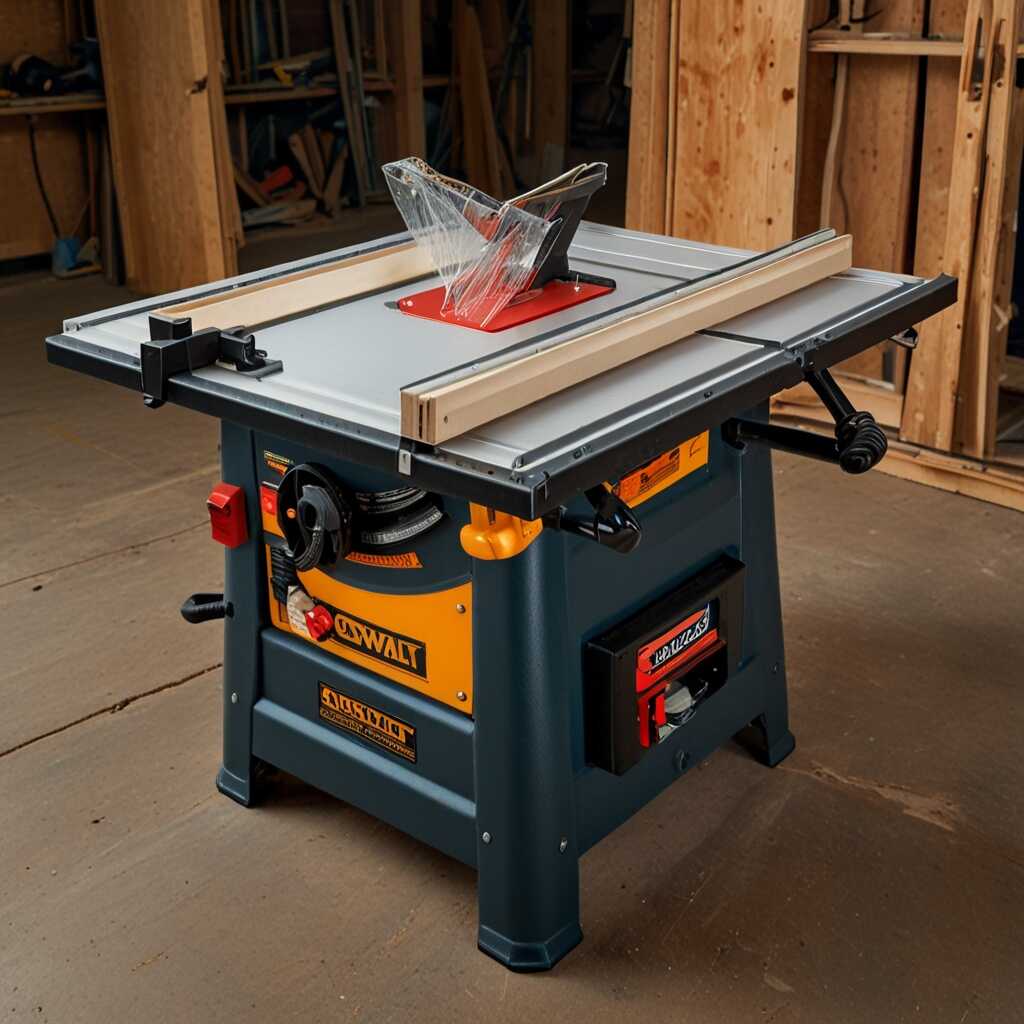
Techniques to Maximize Cleaner Cuts with Table Saws
To achieve cleaner cuts with table saws equipped with zero-clearance inserts, follow essential techniques. First, ensure the insert fits the blade tightly to minimize tear-out during cuts. Utilize the right feed rate based on the material type; slow and steady is key for dense woods. Always secure your workpiece firmly using a rip fence or support to achieve consistent results. Adjust blade height according to the thickness of the material for optimal cutting precision. Regularly check and replace the zero-clearance insert when it becomes worn to maintain high performance. Using these tips will help you elevate your furniture-making quality significantly.
Understanding Material Compatibility for Optimal Cuts
Choosing the right material for a table saw with zero-clearance inserts influences cutting quality. For hardwoods like oak or maple, zero-clearance inserts reduce splintering and ensure cleaner edges. Softwoods, such as pine, also benefit but require different feed rates due to their grain structure. For laminated boards, zero-clearance inserts can prevent chip-out when cutting. Always consider the thickness and composition of the material. Testing various materials will reveal the best combinations for achieving exceptional results. Innovative Saws offers proven insert solutions designed to handle a wide range of woodworking materials effectively.

Addressing Common Cutting Issues and How Inserts Help
Woodworkers often face cutting issues like tear-out, chipping, and inconsistent cut quality when using table saws. These issues arise from the saw blade’s exposure during cuts. Zero-clearance inserts significantly alleviate tear-out by providing minimal space around the blade. This design keeps the wood fibers supported as the blade enters and exits the material, ensuring cleaner cuts. Additionally, zero-clearance inserts enhance table saw performance by improving cutting quality and reducing the risk of splintering or chipping, especially in delicate wood types.
Understanding Tear-Out and Its Impact on Woodworking
Tear-out occurs when the blade pulls the wood fibers away during a cut, leading to ugly, jagged edges. Using zero-clearance inserts can dramatically reduce this problem. They fit tightly to the blade, which helps stabilize the wood while cutting. This stabilization allows for more controlled movement and reduces the likelihood of fibers being ripped away. When cut accurately, the designed support from the insert ensures the edges remain crisp and smooth. Woodworkers report a typical tear-out reduction of up to 90% when using zero-clearance inserts compared to traditional inserts, making them vital for achieving high-quality finishes.
Advantages of Using Specialized Inserts for Cleaner Cutting
- Enhanced cut quality leads to smoother edges and less cleanup.
- Zero-clearance inserts reduce splintering on delicate woods.
- Improved support for thin and fragile materials during cuts.
- Consistent depth of cuts ensures uniform pieces for assembly.
- Minimized binding of the blade increases safety while cutting.
- Compatibility with different blade types offers versatility in projects.
- Simple to install and customize based on project requirements.

Comparing Zero Clearance Inserts and Traditional Inserts
Zero-clearance inserts and traditional inserts have key differences that impact their performance. Zero-clearance inserts provide a snug fit around the blade. This minimizes tear-out when cutting rough materials. Traditional inserts have wider clearance, which can cause splintering. This affects the quality of the finished cut. Zero-clearance inserts enhance woodworking projects like furniture by allowing for cleaner edges. This results in better joint fit and overall appearance. Professional woodworkers often prefer zero-clearance for its reliability and improved outcomes.
Benefits of Zero-Clearance Inserts for Furniture Making
Zero-clearance inserts significantly improve cut quality in furniture making by providing excellent support for the material being cut. They ensure that the blade’s path is exactly aligned with the workpiece edge. This alignment greatly reduces the chance of splintering or chipping, especially in hardwoods and delicate veneers. The inserts are often designed to be only 1/8 inch thick, contrasting with traditional inserts which commonly measure around 3/8 inch. Such precision enhances accuracy, leading to professional-grade results. For those crafting intricate designs or fine cabinetry, zero-clearance inserts deliver the edge quality that is essential for impressive finishes.
Essential Maintenance for Table Saws and Zero Clearance Inserts
To ensure reliability and performance, users should regularly inspect and maintain both table saws and zero-clearance inserts. Key practices include cleaning the table saw surface and the insert after each use. This prevents resin and sawdust buildup. Lubricating the moving parts enhances efficiency and reduces wear. Zero-clearance inserts should be checked for cracks or chips. They should be replaced if damaging wear is found. Usage frequency and material type can affect deterioration rates, making routine checks critical. Environmental factors, such as humidity and dust exposure, further impact maintenance needs. Regular maintenance ensures that both the saw and inserts perform at their best.
Specific Maintenance Techniques for Long-Term Performance
Proper maintenance techniques enhance the durability and functionality of your table saw and zero-clearance inserts. Clean the table surface with a soft cloth after each use to remove dust and pitch. Use a fine brush to clean out any residue within the insert slot. Lubricate the pivot points and rails with high-quality machine oil every few months. Inspect zero-clearance inserts for any damage before each project. Replace these inserts if chips or cracks are present. Frequent inspections help maximize cutting tool longevity. Following these specific maintenance practices allows users to avoid costly repairs and achieve excellent cutting performance.
Target Groups and Their Interests in Woodworking Tools
- Professional carpenters appreciate precision and reliability in every cut.
- Hobbyist woodworkers seek tools that enhance creativity and skill.
- Furniture makers focus on achieving high standards in craftsmanship.
- DIY enthusiasts value tools that offer ease of use and safety.
- Contractors require robust solutions for varied job site needs.
- Woodworking instructors look for reliable tools to demonstrate techniques.
- Restorers prioritize high-quality cutting for antique or delicate materials.
Enhancing Your Woodworking Projects Using Zero Clearance Inserts
Zero-clearance inserts significantly improve cut quality in woodworking by reducing tear-out and providing cleaner edges. This innovation is especially beneficial when making precise joints, such as dovetails and finger joints. Users who employ these inserts for tasks like ripping or crosscutting hardwoods have reported enhanced results. Many woodworkers recommend using zero-clearance inserts for intricate cuts or when working with delicate materials, ensuring that the saw blade makes contact only with the piece being cut. In fact, projects like cabinets, tabletops, and furniture frames can greatly benefit from these enhancements, as the quality of the cuts is directly related to the overall aesthetic and structural integrity.
Specific Benefits of Using Zero-Clearance Inserts for Common Woodworking Tasks
Using zero-clearance inserts provides several benefits for common woodworking tasks like edge joining and panel cutting. These inserts help maintain the integrity of the material by offering near-complete support throughout the cut’s length. For instance, when edge joining boards for tabletops, a zero-clearance insert minimizes splintering and tear-out, resulting in a smooth bond. In panel cutting, it enhances accuracy, giving each piece a clean edge. This ensures that the fit is perfect when assembling furniture pieces. Additionally, experts recommend using zero-clearance inserts when working with intricate patterns or small components to achieve the best detail and finish possible.