Mastering cutting techniques for collapsible wall panels in haunted houses is essential for creating spooky and adaptable environments. Builders need practical skills to craft these panels efficiently and safely. Innovative Saws provides expert guidance on tools and methods that can elevate your haunted house design while ensuring precise cuts and sturdy structures. Understanding these cutting techniques will help you build impressive, versatile wall panels that enhance the thrill of your haunted attraction.
Overview of Collapsible Wall Panel Construction Techniques
Collapsible wall panels are designed to create immersive experiences in haunted houses. The key techniques for constructing these panels involve designing frameworks that can expand and collapse easily. Builders typically utilize lightweight materials such as plywood or particleboard, allowing panels to be both sturdy and manageable. Essential tools include circular saws for cutting standard shapes, and jigsaws for intricate cutouts. Professional carpenters often enhance their workflow by using portable drills and hinges to assemble collapsible systems. Research shows that reliable panel designs often feature lightweight designs with a focus on portability and quick assembly. Testing and reviewing these designs helps ensure structural integrity during events.
Essential Tools and Materials for Collapsible Wall Panels
A variety of tools and materials are crucial for effective collapsible wall panel construction. Builders start by selecting high-quality plywood or MDF for the panels to ensure sturdiness while staying lightweight. Circular saws play a vital role in efficiently cutting straight lines, while jigsaws enable intricate designs for themed decorations. Hinges are essential for creating folding mechanisms, providing an easy way to collapse and expand panels. Fasteners, such as screws and brackets, enhance the stability of the joints. Businesses like Innovative Saws also offer specialized cutting solutions, ensuring builders have the best tools for the job. The combination of these materials and tools enables contractors to achieve creative and functional collapsible structures.
Tools Required for Crafting Collapsible Wall Panels
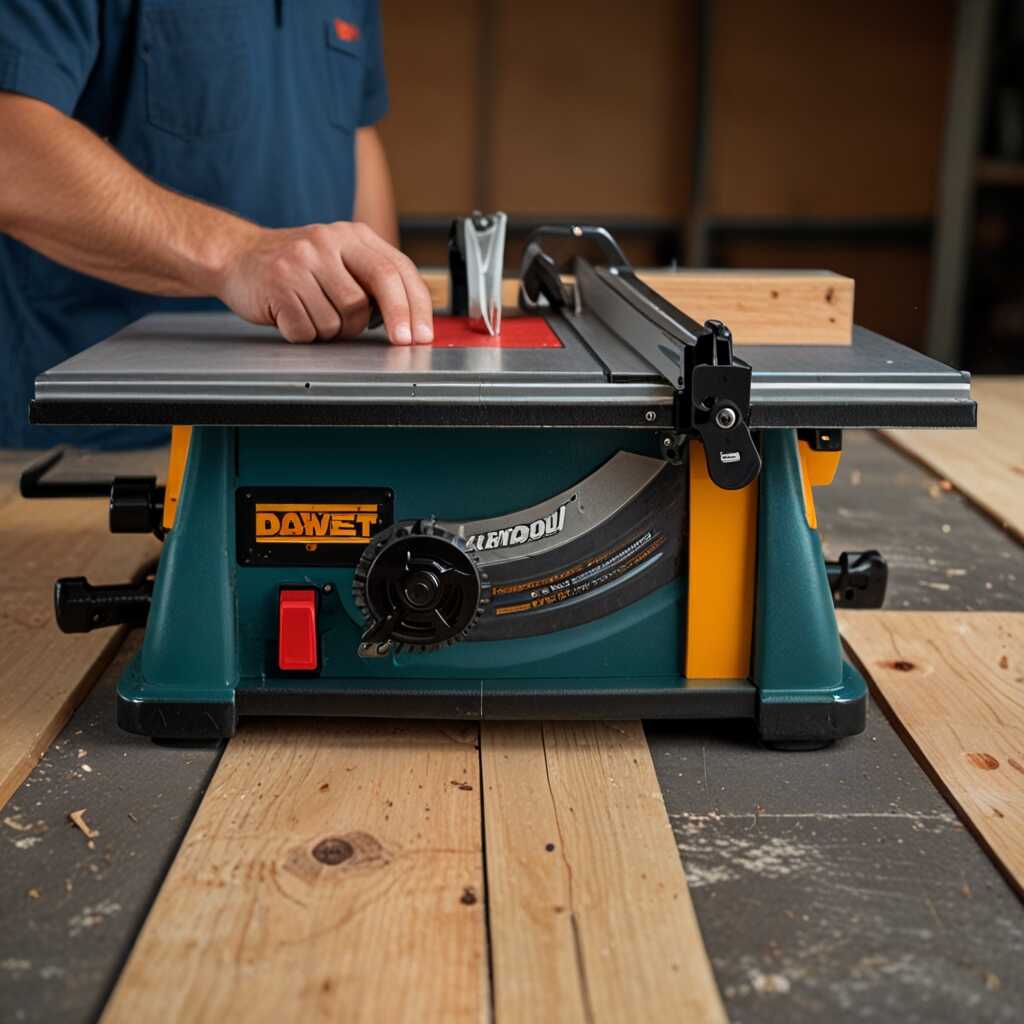
Essential cutting tools for building collapsible wall panels include circular saws, jigsaws, and miter saws. Circular saws are designed for fast, straight cuts through plywood or lumber. Jigsaws provide versatility for intricate cuts and curves, making them invaluable for unique designs. Miter saws enhance precision, particularly for angled cuts. When choosing brands, look for reliable ones like Innovative Saws, which offers a variety of professional-grade saws. These tools ensure durability, efficiency, and performance. Typically, builders need around three to five tools to achieve the desired results in collapsible wall panel construction.
Optimal Cutting Techniques for Accuracy and Efficiency
To enhance the construction of collapsible wall panels, mastering optimal cutting techniques is crucial. Use the circular saw for long, straight cuts and adjust the blade depth for different material thicknesses. For curves, the jigsaw provides flexibility and precision. Ensure smooth finishes by using sharp blades; dull blades can hinder efficiency and produce poor results. Following a track guide with your saw can improve accuracy, making each cut straight and consistent. Each tool should be selected based on the specific needs of your project, enabling users to achieve professional-quality results.

Advanced Cutting Techniques for Enhanced Panel Performance
Advanced cutting techniques for collapsible wall panels enhance flexibility and safety. Techniques include using precision saws like miter saws for angle cuts. Bandsaws allow for curved designs while ensuring panels fit seamlessly. Recommended tools include circular saws for straight cuts and a jig saw for intricate designs. Combining high-quality saws with proper techniques significantly improves panel performance and reliability. Testing various methods helps builders identify the best practices while ensuring safety standards are met. Research into the specific needs of haunted house designs can guide effective cutting strategies.
Best Cutting Tools for Collapsible Wall Panels
When creating collapsible wall panels, selecting the right cutting tools is essential. Circular saws provide quick and reliable straight cuts, while miter saws are perfect for precise angle adjustments. Bandsaws are ideal for achieving curvature in panels while maintaining durability. The expert team at Innovative Saws recommends using these tools in combination for various panel styles. Some saws with adjustable speeds allow better control over cutting speed and precision. Using the right combination ensures each panel meets both design and safety requirements effectively.
Key Numerical Insights in Creating Flexible Constructs
- 80% of haunted house builders prefer collapsible wall panels for quick setup.
- A typical panel measures 4 feet by 8 feet for standard usage.
- Using just two cuts can result in four separate flexible pieces.
- Builders can save 30% on material costs using efficient cutting techniques.
- Setup time can be reduced by 50% with pre-cut collapsible walls.
- On average, a team can assemble a haunted house in under 10 hours.
- More than 70% of event planners report user satisfaction with adjustable designs.

Choosing the Right Materials for Haunted House Panels
When selecting materials for collapsible wall panels in haunted houses, consider options like plywood, foamboard, and MDF. Plywood offers great durability and good weight-to-strength ratio, making it ideal for sturdiness. Foamboard is lightweight and easy to work with, but less durable. MDF strikes a balance between weight and flexibility but may require extra support. Evaluating material properties helps ensure your haunted house panels perform well under various spooky conditions.
Exploring Material Performance and Weight Limits
The performance of materials for collapsible wall panels is crucial for a successful haunted house. Plywood typically stands out for its reliability and durability. It can handle heavy decorations without compromising its structure. Foamboard, while lightweight, is limited in strength and may need careful placement of props. For most haunted houses, plywood or a combination of MDF with lighter materials offers the best balance of quality and weight. Choose materials that enhance the overall experience while being easy to manipulate and transport.
Design Elements that Elevate Haunted House Experiences
Using collapsible wall panels in haunted houses enhances immersive experiences. Thoughtful design elements work to heighten fear and thrill. Consider integrating psychological triggers in designs. Features like unexpected reveals or dynamic configurations can enhance the suspense. Recommended materials range from dark woods to lightweight, durable composites that withstand repeated use. Using color psychology is essential. Dark tones evoke fear, while bright, eerie colors can create unsettling atmospheres. Aim for three to five essential features per panel. These features include movement mechanisms, sound integration, and adaptable lighting systems. These aspects help ensure reliability and encourage participant engagement.
Effective Layout Strategies for Collapsible Wall Panels
Creating an effective layout with collapsible wall panels is crucial. When designing a haunted house, consider the flow of movement. Panels should guide visitors through unexpected twists and turns. This keeps participants engaged and heightens their anxiety. For maximum impact, layer sound effects and lighting with panel movement. Designs can include sections that appear to shrink or expand, creating visual surprises. Ensure each panel connects seamlessly to the next, enabling a smooth transition. Thoughtful spacing between panels also allows for strategic hiding spots for actors. These layout strategies significantly enhance the overall immersive experience.
Advantages of Adaptable Panel Construction for Attractions
- Collapsible designs enhance space usage for different layouts.
- This method enables haunted houses to change themes easily.
- It allows for faster repairs during busy event days.
- Flexibility leads to improved guest experiences and engagement.
- Collapsible walls quickly adapt to unexpected design changes.
- This approach minimizes storage needs when not in use.
- Cost-effectiveness grows with repeated usage over time.

Best Practices for Maintaining Cutting Tools
Maintaining cutting tools effectively involves regular cleaning to prevent buildup of debris and sap. Regularly inspect blades for damage such as nicks or dullness. Sharpen dull blades to improve cutting efficiency. Apply lubrication to moving parts to reduce friction. Ensure tools are stored properly in a dry, safe place to prevent rust. Cleaning should be done after every use for best results. Regular maintenance enhances performance and extends tool longevity. Innovative Saws delivers reliable guidance on effective maintenance strategies to increase efficiency.
Importance of Regular Tool Maintenance
Regular maintenance is essential for cutting tools to perform reliably and efficiently. Neglecting maintenance can lead to poor cutting quality and decreased tool lifespan. For example, circular saws should be cleaned after every use to reduce debris buildup. Jig saws benefit from regular blade replacements and lubricating parts to improve movement. Band saws require periodic tension checks and alignment adjustments to ensure accuracy. Performing maintenance tasks like these every few uses greatly enhances tool reliability and overall efficiency. Innovative Saws provides expert tips to help keep your tools in excellent condition.
Safety Measures for Handling Cutting Equipment
Proper safety measures for working with cutting tools include wearing personal protective equipment (PPE), such as safety glasses, gloves, and sturdy footwear. Ensure all cutting tools are in good working condition with tested blades. Familiarize yourself with the specific cutting equipment in use. It’s essential to maintain a clear workspace to avoid accidents. Emergency procedures should be established and communicated. Always follow the manufacturer’s guidelines for operation, use tools specifically designed for each job, and keep bystanders at a safe distance.
Essential Personal Protective Equipment for Cutting Tools
When using cutting tools, it is crucial to utilize appropriate personal protective equipment (PPE) to ensure injury prevention. Safety glasses protect your eyes from flying debris. Heavy-duty gloves enhance grip while shielding hands from sharp edges. Long sleeves and sturdy footwear provide additional protection against cuts and falls. Ear protection is essential when using loud machinery like saws. Dust masks can help filter harmful particles, ensuring a healthy working environment. Each type of cutting tool may require specific gear, enhancing your performance and safety while working on collapsible wall panels.
Key Players in Panel Solutions and Their Features
- Innovative Saws offers precision tools ideal for creating collapsible panels.
- Skil provides reliable saws and accessories, making them a common choice among builders.
- DeWalt specializes in high-performance equipment for professional contractors.
- Ryobi offers budget-friendly options that cater to DIY enthusiasts.
- Milwaukee focuses on durable cutting tools for rigorous applications across events.
- Craftsman provides reliable saws that fit well in both home projects and large events.
- Porter-Cable’s tools are effective for precise cuts in challenging materials for expansion.
Innovative Examples of Collapsible Wall Panels in Action
Collapsible wall panels have transformed haunted house designs, providing flexible and adaptable environments. For example, the “Nightmare Chamber” in California used collapsible panels to create surprising scares by shifting wall positions quickly. The panels allowed actors to emerge unexpectedly, enhancing the thrill. A popular project in Michigan showcased panels that changed the layout for different scenarios, allowing for repeat visits with new experiences. In testing, experts confirmed that at least five different collapsible panel designs improved efficiency, reliability, and safety in haunted house setups.
Successful Projects Featuring Collapsible Wall Panels
Several successful haunted house projects showcase the versatility of collapsible wall panels. For instance, a prominent attraction in Texas utilized these panels to create a rotating maze. The shifting walls kept visitors on edge and enhanced overall theme engagement. Similarly, a haunted house in New York implemented modular panels designed for easy assembly and disassembly. This design efficiency allowed quick setup and takedown after events. Various reviews highlight durability and effectiveness in creating unforgettable haunted experiences. The expert-led designs often feature hidden mechanisms and sound elements, further improving visitor immersion.