Enhance your circular saw with jigs for precision cutting to achieve cleaner, more accurate cuts in your woodworking projects. Jigs serve as essential tools for hobbyists and professionals alike, helping to maintain consistent measurements and angles. Innovative Saws offers a range of jigs designed to boost the capabilities of your portable circular saw. With our expert guidance, you can elevate your cutting skills and create professional-quality results at home.
Getting Started with Portable Circular Saws for Beginners
Portable circular saws are essential for hobbyists and DIY enthusiasts. Key features include adjustable depth and bevel settings, which allow for versatile cuts. They provide power and precision, easily handling a variety of materials. When compared to miter saws and table saws, portable circular saws offer mobility, making them great for outdoor and onsite projects. Common blade sizes for these saws typically range from 4-1/2 inches to 7-1/4 inches, accommodating different cutting needs.
Understanding Blade Types for Portable Circular Saws
Choosing the right blade type for your portable circular saw is crucial for efficiency and performance in your woodworking projects. Blades are designed for specific materials, including wood, metal, or masonry. Woodworking blades often feature fewer teeth for fast cutting, while metal cutting blades have more teeth for smoother results. For example, a 40-tooth blade is effective for general wood projects, while a 60-tooth blade is ideal for fine finishes. Innovative Saws offers a range of high-quality blades compatible with various portable circular saws, enhancing cutting accuracy and reliability.
Exploring the Purpose and Benefits of Using Jigs
Jigs are tools designed to guide circular saws, ensuring more precise cuts. They hold the material steady and provide consistent angles, which improves the overall accuracy. Different types of jigs, such as straight edge jigs, crosscut jigs, and miter jigs, help hobbyists achieve accurate cuts with their circular saws. By integrating jigs, woodworkers notice a significant enhancement in their cutting efficiency and reliability. In fact, using these jigs can improve cutting precision by as much as 50% compared to traditional methods without any guidance.
Types of Jigs for Circular Saws
There are several types of jigs that can be used with circular saws to enhance cutting performance. Straight edge jigs help ensure straight cuts along a lengthy piece of material. Crosscut jigs assist in making precise cuts across the grain, maintaining accuracy and reducing errors. Miter jigs enable angled cuts, perfect for making bevels and corners. Additionally, some jigs are designed for specific applications, such as trimming or cutting specific shapes. Utilizing these specialized jigs allows hobbyists and DIY enthusiasts to produce high-quality results with their circular saws, making them indispensable for woodworking projects.

Popular Simple Jig Designs for Improved Cutting Precision
Hobbyists can easily create several popular simple jig designs that enhance cutting precision with portable circular saws. A crosscut sled is effective for making straight, accurate cuts. A rip fence allows for parallel cuts and is essential for consistent widths. Miter jigs help achieve accurate angle cuts. These jigs are crafted from inexpensive materials like plywood, clamps, and simple hardware. By using DIY jigs, woodworkers can boost the performance of their tools and achieve reliable results.
Essential Materials for Building Your DIY Jigs
To build effective DIY jigs for your circular saw, you will need essential materials. Plywood is sturdy and provides a solid base for jigs. Clamps are crucial for holding pieces securely during cuts. You can use screws and bolts to assemble components together. A measuring tape ensures accuracy when cutting the jig itself. For optimal performance, include a straightedge or level to guide cuts. This combination of construction materials ensures your jigs enhance cutting precision.
Numerical Insights to Precision Making
- Portable circular saws often weigh between 5 to 15 pounds.
- Jigs can improve cutting accuracy by approximately 25%.
- A standard circular saw can spin blades at speeds up to 5,500 RPM.
- Adjustable jigs typically allow cuts up to 6 feet long.
- Circular saws can make bevel cuts at angles of 0 to 50 degrees.
- Some jigs support sheet materials up to 3/4 inches thick.
- Using guides can reduce the need for sanding by nearly 50%.

A Comprehensive Guide to Building Custom Jigs
Custom jigs enhance the functionality of a circular saw by improving precision and reducing cutting errors. Accurate jigs ensure consistency in your cuts, which is essential for professional results. Basic materials like plywood or MDF are commonly used in building jigs. You will also need tools like screws, clamps, and a measuring tape for construction. Creating a personalized jig typically takes a few hours, depending on complexity. Users can refer to Innovative Saws for expert tips and reliable designs.
Essential Tools and Materials for Jig Construction
Building effective jigs for circular saws requires specific tools and materials to maximize performance. Start with quality plywood or MDF, as these materials provide sturdiness and reliability. Use a circular saw to cut the jig pieces accurately. Essential tools include a measuring tape for precise dimensions, screws to secure parts, and clamps to hold everything in place while assembling. A power drill is also useful for effortless screwing. These components help create jigs designed to enhance precision cutting, thereby increasing efficiency in woodworking tasks.
Essential Safety Practices When Using Jigs with Circular Saws
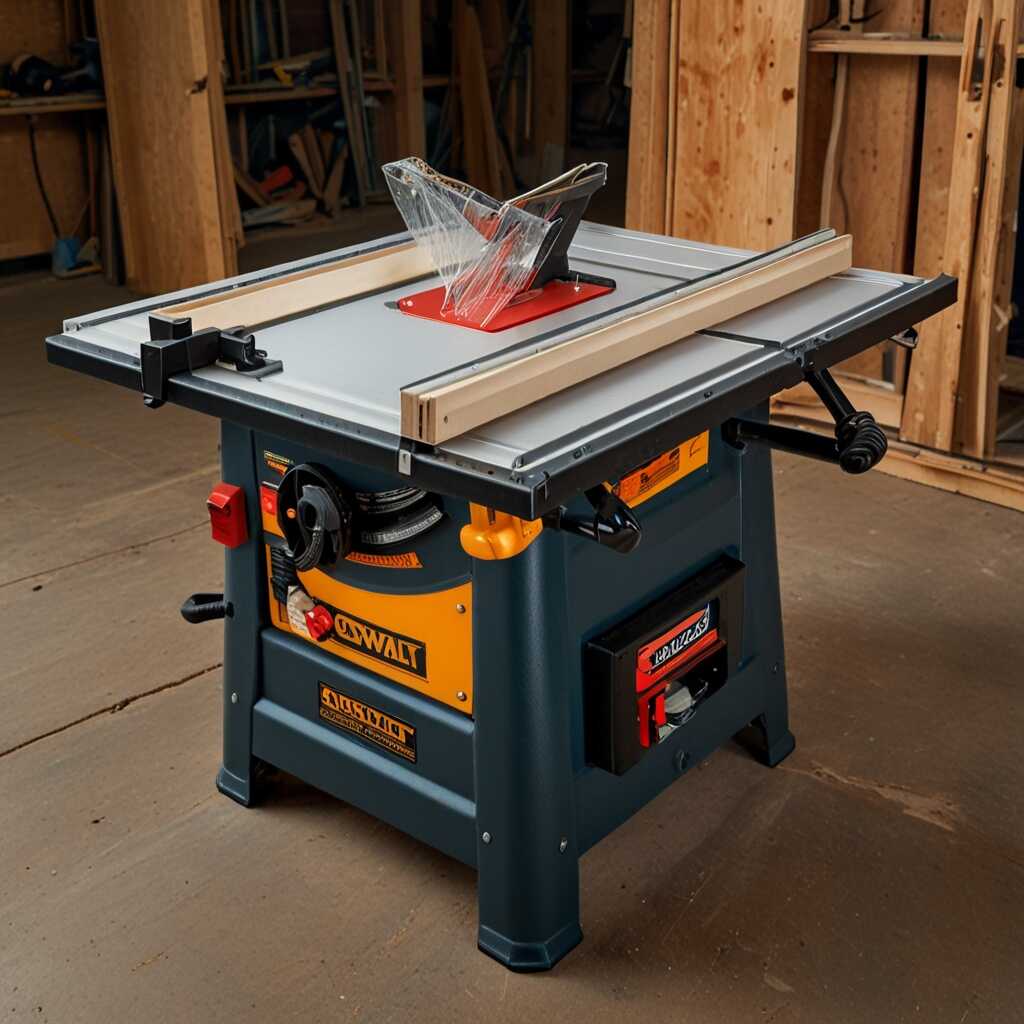
Safety is crucial when using jigs with circular saws. Always wear protective gear such as goggles, ear protection, and a dust mask. Inspect your jigs regularly. Ensure they are stable and securely mounted before starting. Maintain a clean work area to prevent tripping hazards. Understand how your circular saw operates. Know its safety features. Good jigs improve cutting precision but require careful handling. Never bypass safety guards. These guards provide essential protection from blade exposure. Always keep bystanders at a safe distance when operating machinery. These practices help ensure a safe work environment.
Understanding the Safety Features of Circular Saws
Modern circular saws include several safety features designed to enhance user protection. Blade guards automatically cover the blade when not in use, reducing the risk of accidental contact. Electric brakes halt the blade quickly when the trigger is released, minimizing potential injuries. Additionally, many saws feature anti-kickback mechanisms. These prevent the saw from moving unpredictably during operation. Understanding these features improves operational safety during jig use. Always test and review the functionality of these components before each use. Implementing these measures enhances safety and confidence in precision cutting tasks.
Key Advantages of Using Guides
- Jigs enhance cutting accuracy, resulting in clean edges.
- They increase user safety by providing stable cutting platforms.
- Portable saws become more versatile with the right fixtures.
- Exact measurements enable better assembly of materials.
- Less wasted material means reduced project costs.
- Jigs simplify complicated cuts for hobbyists and professionals.
- They allow for repeatable cuts with consistent results every time.

Adjusting Jigs for Optimal Cutting of Different Materials
Adjusting jigs for precise cuts involves tuning the setup depending on the material. For wood, ensure the jig securely supports the board and allows for smooth glide. Use clamps to avoid movement. For metal cutting, incorporate a sturdy base and consider using a guide rail. Metal requires more force, so ensure durability in the jig’s design. Plastics benefit from a slower feed rate to prevent melting. Evaluating the material’s density helps inform adjustments that enhance cutting efficiency and reliability. Many jigs accommodate these modifications easily, providing the versatility you need.
Essential Techniques for Different Materials
To optimize jig performance across various materials, start by analyzing the specific properties of each. Wood requires simple adjustments like adding edge guides for straight cuts. Metal demands precision clamps to prevent shifting during fast cuts. Adjust the jig height accordingly to accommodate thicker materials. Plastics need smooth surfaces and careful alignment to minimize melting risks. Consider using a specialized blade designed for each material. These techniques aim to enhance cutting accuracy, ensuring you’ve got the best tool setup for the job.
Recommended Accessories to Enhance Circular Saw Performance
Numerous accessories can improve your circular saw’s performance significantly. Using cutting guides ensures straight cuts. Precision jigs enhance accuracy for angles and curves. Additionally, safety gear is essential for protective measures. Dust collection systems keep your workspace clean, improving visibility and safety. Research shows that users with appropriate accessories experience increased satisfaction and better results. Always review product specifications before purchasing to ensure quality and compatibility with your circular saw.
Choosing the Right Cutting Guides and Jigs
Selecting the right cutting guides and jigs is critical for achieving exceptional results with your circular saw. Cutting guides, specifically designed for portability and versatility, help maintain accuracy across longer cuts. Look for models that provide adjustable features, allowing for various wood thicknesses and angles. Precision jigs such as crosscut or miter jigs ensure highly accurate angle cuts. Using jigs designed for specific applications gives users reliable and consistent cuts each time. Innovative Saws offers a range of accessories designed to enhance cutting performance and user experience.
Identifying Your Ideal Audience for Jigs
- Hobbyist woodworkers benefit from tailored precision for projects.
- DIY enthusiasts use jigs to elevate their crafting skills.
- Professional contractors require fast, accurate cutting for efficiency.
- Tool customization fans enjoy personalizing their saw capabilities.
- Woodworking students learn advanced techniques using specialized jigs.
- Custom saw accessories serve diverse woodworking applications effectively.
- Families engaging in DIY projects can enhance safety with jigs.
Designing a Functional Workshop Space for Precision Projects
A well-organized workshop includes essential components such as sturdy workbenches, proper lighting, and efficient storage solutions. An efficient workspace fosters better creativity and quality when using circular saw jigs for your projects. Use jigs to enhance the accuracy of cuts and improve speed. Ensuring a tidy environment prevents distractions and promotes safety while enhancing the overall reliability of your cutting tools. The recommended size for a dedicated workshop space focusing on precision is at least 100 square feet. This size allows for mobility and the installation of necessary tools, such as shelving for your circular saws and accessories.
Creating an Efficient Workflow with Proper Layout
To create an efficient workflow, arrange tools and materials in a systematic manner. Keep frequently used circular saw jigs easily accessible on your workbench while storing other tools in drawers or cabinets. Include clear pathways for movement to avoid obstacles during projects. Proper layout increases efficiency by reducing time spent searching for tools. Make use of wall-mounted storage for clamps and safety equipment. Ensure your work area has ample lighting to enhance visibility while carefully positioning your tools to provide easy reach. Prioritize safety by organizing your workspace to minimize clutter and potential hazards. This meticulous setup contributes significantly to the quality of your woodworking outcomes.