Choosing the best saw blade width for cutting curves is essential for achieving precision in home building. The right blade width impacts the accuracy and quality of your cuts, making your projects smoother and more professional. Innovative Saws provides expert guidance on selecting the appropriate blade widths to suit various cutting curves in woodworking. With our extensive selection of saws, you can avoid common mistakes and achieve optimal results in your projects.
The Crucial Role of Saw Blade Width in Cutting
Selecting the right saw blade width is essential for cutting precision and efficiency. A blade’s width affects the ability to make smooth, clean curves in various materials. For example, a narrower blade provides greater maneuverability for intricate cuts. Projects like cabinetry or furniture design benefit from narrow blades due to their ability to handle tight curves. Conversely, wider blades excel in making straight cuts and provide stability for larger pieces. The typical blade width ranges from 1/8 inch for precise work to 1 inch for heavy-duty tasks. Choosing the best width ensures reliable performance and enhances the overall quality of your cuts.
Understanding Blade Width and Project Types
How Cutting Curves Influence Blade Width Decisions
Cutting curves significantly influence the selection of saw blade widths. Wider blades often provide better stability for straight cuts. For intricate curves, such as those made with jigsaws, narrower blades ensure precision and flexibility. Band saws require a balance; wider blades enhance performance on larger materials but limit the sharpness of tight curves. Ideal blade dimensions vary based on curve complexity and the material. For complicated designs, 1/8 inch to 1/4 inch widths typically work best. The choice of saw blade width helps ensure quality results and cuts.
Choosing the Right Blade Width for Specific Curves
When selecting saw blade widths for specific curves, consider the tool type and the curve’s complexity. Jigsaws, often used for intricate patterns, work well with blade widths between 1/8 inch and 1/4 inch. These narrow widths offer improved maneuverability. Band saws, suited for both gentle and sharper curves, perform optimally with blade widths ranging from 1/4 inch to 1 inch. This variation enhances their ability to handle thicker materials while providing smooth cuts. Understanding these dimensions is essential for achieving satisfactory results in woodworking and home building.
Selecting the Best Blade Width for Wood Projects
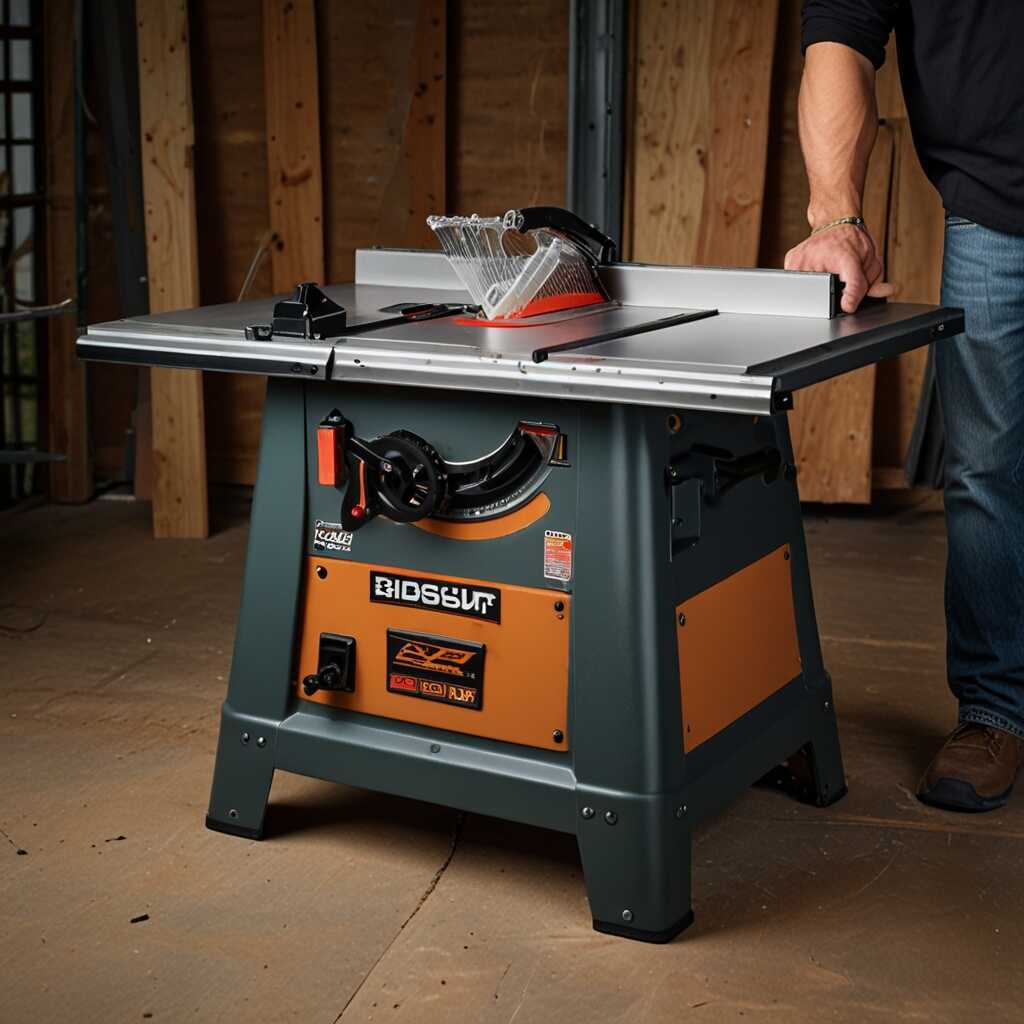
When selecting blade width for wood projects, consider several factors. First, the direction of the wood grain significantly affects cutting performance. For instance, cutting along the grain may require a wider blade to ensure stability and minimize tear-out. Different wood species also influence blade width. Softer woods like pine may work well with thinner blades, whereas hardwoods like oak benefit from wider blades to handle the density. For optimal results, utilize blade widths typically ranging from 1/8 inch for intricate cuts on plywood to 1 inch for making straighter cuts on dense hardwoods.
How Wood Type Affects Blade Width Choices
Each wood type offers unique characteristics that affect blade width selection. Softwoods often have a more forgiving grain structure, allowing the use of smaller, thinner blades without increasing the risk of splintering. Conversely, hardwoods, such as maple or cherry, resulted in better outcomes using a wider blade to prevent binding and ensure a smooth cut. Consider also the project scale; for detailed work, a narrower blade permits sharp curves and intricate patterns, while wider blades excel in producing straight cuts efficiently. Innovative Saws provides guidance to help customers choose the right blade widths for achieving precise results in all woodworking tasks.
Essential Numerical Metrics for Selecting Blade Sizes
- Common blade widths range from 1/8 inch to 1 inch.
- Use a 1/4-inch blade for curves with a radius of 4 inches or larger.
- A 3/16-inch blade handles curves as tight as 3 inches effectively.
- General-purpose blades usually range from 1/4 inch to 3/4 inch.
- Specialty blades can be as wide as 1 inch for intricate detailing.
- Know that blade speed typically ranges from 300 to 5,000 SPM (strokes per minute).
- Consider an average life span of 50 cuts per inch for high-quality blades.
Blade Width Considerations for Non-Wood Materials
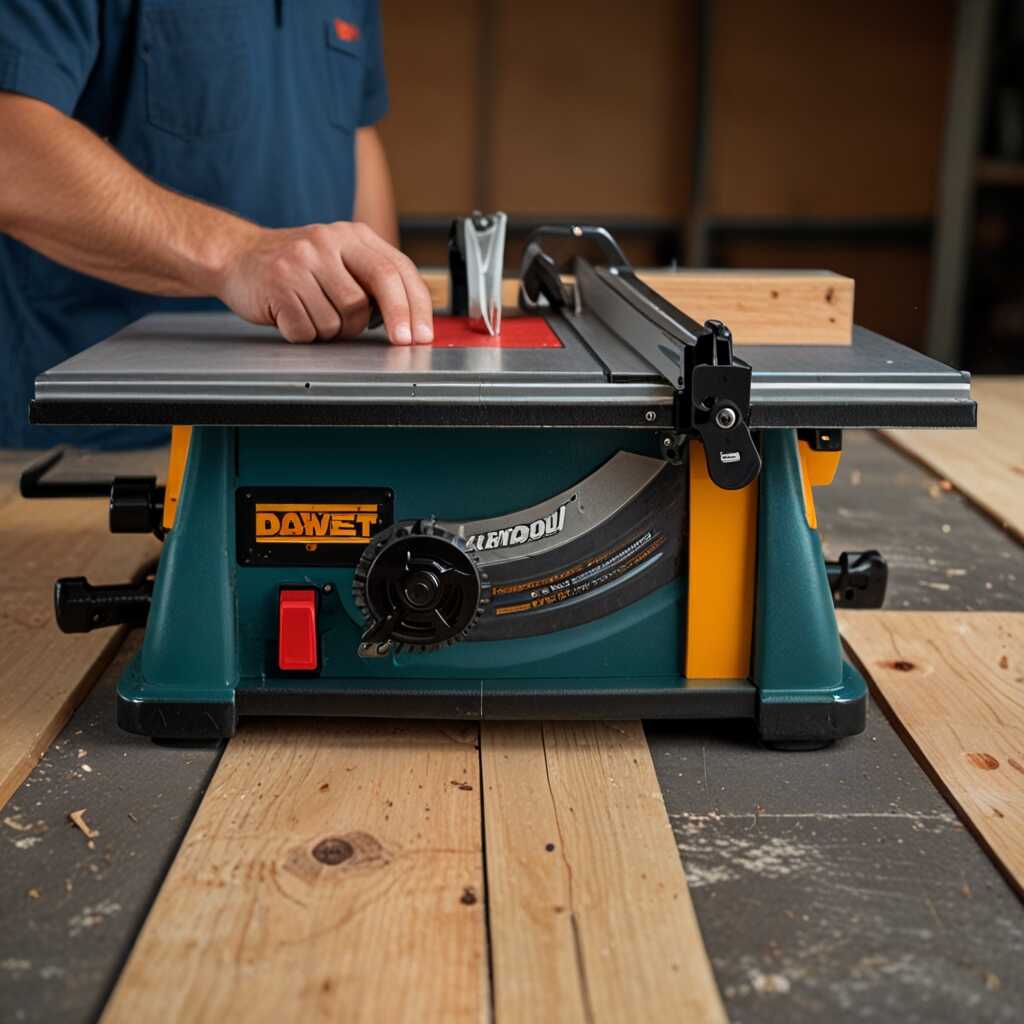
Choosing the right blade width for non-wood materials depends on the specific characteristics of each material. Metal cutting blades must be designed for strength. They often require narrower blades to handle intricate cuts while providing reliability. Masonry saw blades need to be sturdier due to the hardness of materials like brick and concrete. A wider blade ensures durability and efficient cutting while preventing breakage. Plastic cutting saws should have a fine tooth count to avoid chipping. Selecting the correct blade width enhances performance and ensures good results.
Understanding Material Properties for Optimal Blade Selection
Different materials present unique challenges that affect saw blade performance. Metal, such as aluminum or steel, requires blades capable of handling heat buildup and preventing dullness. A narrower blade often cuts more intricately, especially in thin metals. For masonry, selecting masonry saw blades with a wider width improves durability and stability. This helps manage the high pressures involved in cutting hard materials. Meanwhile, for plastic, using blades designed specifically for this material allows for smooth cuts without chipping. Matching the blade width to the material enhances efficiency and cuts quality.

Avoiding Common Pitfalls in Blade Width Selection
Common mistakes when selecting saw blade widths include choosing a blade that’s too wide for intricate cuts, not considering the material you are cutting, and ignoring the specific saw type requirements. Inappropriate blade width can lead to poor cutting performance and result in inaccurate cuts or damage to the material. Users need to remember that deeper curves require narrower blades, while wider blades enhance stability for straight cuts. Make sure to research the cutting capacity of your chosen saw, which provided blade width and task-specific performance based on material type.
Understanding the Effects of Blade Width on Cutting
The blade width plays a crucial role in cutting performance, especially across materials like hardwood, softwood, and metal. Narrower blades provide better control for intricate cuts in hardwood and softwood, while wider blades are essential for cuts through metal, enabling more durability and less flexing. For example, a blade width between 1/8 inch and 1/4 inch typically handles curves and detailed patterns well. Wider blades, like 1/2 inch, lend more strength and stability for larger tasks. Selecting the right blade width enhances overall cutting efficiency and contributes to achieving professional results.
Positive Outcomes from Choosing Appropriate Saws
- Selecting the right width improves accuracy in cutting curves.
- The right blade increases the speed of your work process, saving time.
- A proper width minimizes material waste, maximizing your resources.
- Correct choices help achieve smoother finish, enhancing aesthetic quality.
- Choosing the right blade width also reduces the risk of blade breakage.
- Customizing your blade width can lead to safer cutting experiences.
- Effective blade selection often leads to improved project satisfaction levels.

Practical Expert Tips for Blade Width Choices
Choosing the right blade width is crucial for achieving the best results in cutting curves. Key factors to consider include the material type, desired curve radius, and the specific saw blade types available, such as jig saws or band saws. A narrower blade width is ideal for tight curves, while wider blades provide stability for larger arcs. For instance, a 1/4-inch blade is suitable for intricate curves on plywood, while a 1/2-inch blade can enhance cutting efficiency for larger lumber.
Understanding How Blade Width Influences Cutting Quality
Blade width significantly affects cutting quality and efficiency. Narrower blades create cleaner cuts with less kerf but may struggle with stability during longer cuts. Wider blades offer durability and sturdiness, making them perfect for straight cuts or gentle curves. For home building projects, blade widths between 1/4-inch to 3/4-inch are typically recommended, depending on curve tightness. This helps ensure that users maintain control and achieve professional results, reducing the risk of mistakes.
Best Practices for Maintaining Saw Blades
Regular maintenance of saw blades enhances their reliability and efficiency. Key benefits include improved cutting performance and extended lifespan. Cleaning saw blades removes resin buildup and debris. Proper maintenance prevents dullness, ensuring clean cuts. For different saw types, unique care practices apply. Circular saw blades require frequent cleaning, while band saw blades need tension checks. Jig saw blades should be inspected for damage before use. Cleaning should occur after every project or at least once monthly to keep the blades in optimal condition. Consult reviews to select trusted products for cleaning and maintenance.
Effective Cleaning Techniques for Saw Blades
Cleaning techniques vary based on blade type. For circular saw blades, use a soft brush or blade cleaner to remove pitch and resin. Band saw blades benefit from applying a diluted cleaner to the teeth. Ensure proper lubrication to reduce friction. Jig saw blades can be cleaned with warm soapy water and a soft cloth. Follow maintenance schedules meticulously to enhance tool performance and reliability. Keeping saw blades clean directly impacts their cutting precision, enabling great results in woodworking and construction projects.
Notable Brands and User Needs in Blade Selection
- DeWalt provides reliable blades, great for tough materials.
- Makita offers high-quality blades with excellent precision cuts.
- Bosch blades are versatile, perfect for both straight and curved cuts.
- Users in home building often prefer blades with good durability.
- Woodworkers typically benefit from blades designed for detailed patterns.
- DIY enthusiasts appreciate blades that balance quality and affordability.
- Professionals seek blades that perform well under heavy usage.
Finding Further Resources for Saw Blade Selection
Many educational resources are available to assist in selecting the right saw blade. Websites like Innovative Saws offer helpful buying guides that detail different saw blade options. Additionally, online forums allow you to read reviews from other users, providing practical insights. Manufacturer websites often offer tutorials and videos that explain the features and performance of various blades. You can explore reviews of specialized blades, ensuring you choose the best option for your cutting needs. For hands-on help, consider contacting local tool supply stores for expert support tailored to your projects.
Understanding the Variety of Saw Blades for Home Building
Choosing the correct saw blade for home building requires understanding the various types available. Common saw blades include those for circular saws, miter saws, and band saws. Circular saw blades typically range from 7-1/4 inches in diameter and come in various tooth counts for different materials. Miter saw blades are designed for precise angled cuts, often available in 10 or 12 inches. Band saw blades are typically 1/8 inch to 1 inch in width, ideal for cutting curves. Each blade type offers unique features that enhance efficiency and performance based on the project’s requirements.