Understanding corded and cordless saws for home renovation is essential for making the right choice in your projects. Each type of saw offers unique benefits that can enhance your renovation experience. Whether you’re a DIY enthusiast or a professional contractor, knowing the differences between these tools helps you tackle tasks effectively. Innovative Saws provides a comprehensive selection of both corded and cordless options, ensuring you find the perfect fit for your cutting needs.
Essential Features of Corded and Cordless Saws
Corded saws offer unlimited power by connecting directly to an electrical outlet. They are known for consistent performance and strong cutting power, making them ideal for heavy-duty tasks. On the other hand, cordless saws provide mobility and convenience since they operate on rechargeable batteries. This makes them perfect for outdoor use and locations where power outlets are unavailable. However, their cutting performance can be limited by battery life and voltage. Users can enhance their efficiency by understanding these essential features and how each type caters to specific renovation needs.
Comparing Performance: Corded vs. Cordless Saws
When comparing performance, corded saws deliver consistent power, which allows them to handle intensive projects easily. They are designed for prolonged use without the risk of battery depletion. In contrast, cordless saws are lightweight and designed for ease of use but may have runtime limitations. Many customers find that cordless models can operate for approximately 30 to 60 minutes on a fully charged battery, dependent on the saw type and workload. Innovative Saws provides expert reviews to help users find the best saw for their specific project requirements.
Power and Performance of Corded Saws
Corded saws offer several advantages for home renovation projects. These tools provide a reliable power source, ensuring they can handle tough materials like hardwood and masonry with ease. Contractors and DIY enthusiasts often prefer corded saws for their consistent performance and efficiency. Popular types include circular saws, miter saws, and reciprocating saws. Each type of saw excels in precision, enabling users to achieve clean, accurate cuts. The average power rating for standard corded saws is typically between 10 to 15 amps, providing robust performance that enhances any cutting task.
Popular Types of Corded Saws for Precision Cutting
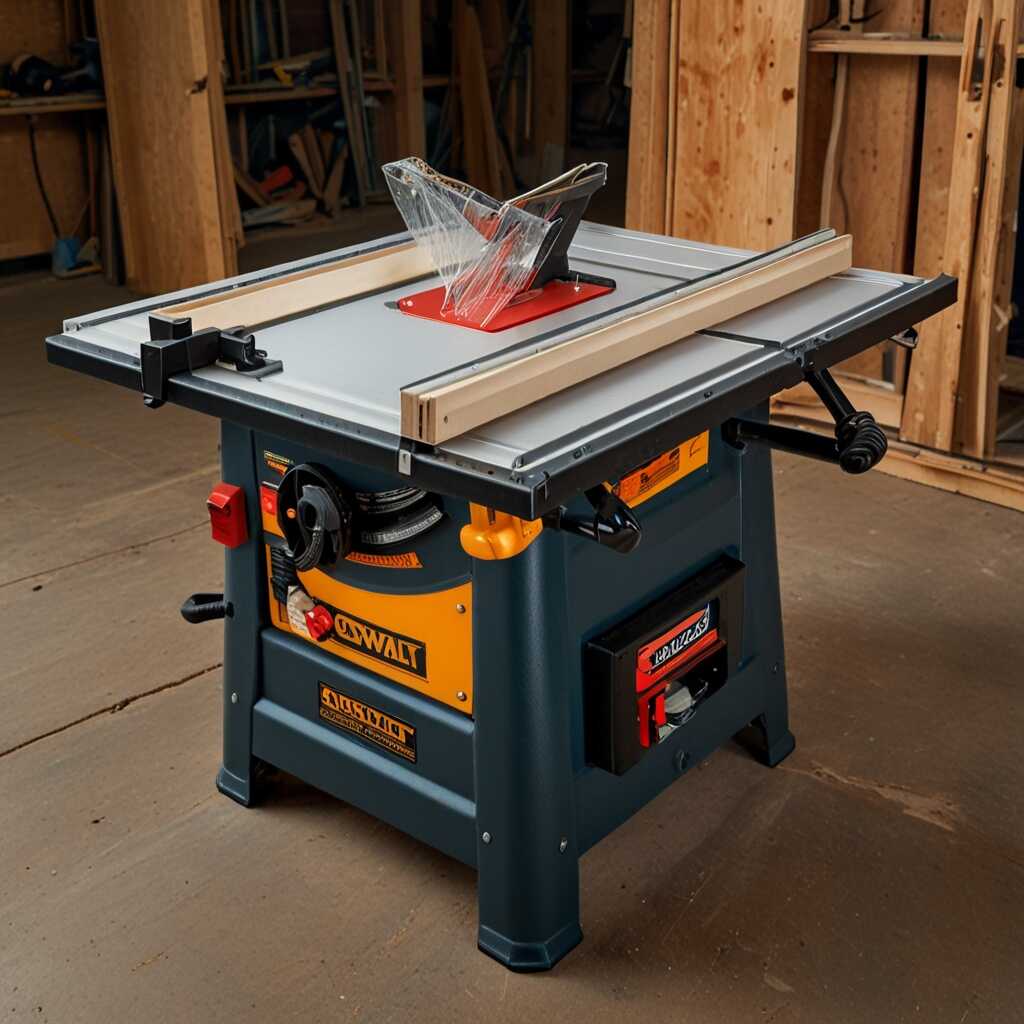
Among the most popular corded saws for precision cutting are the miter saws and table saws. Miter saws are designed for making precise angle cuts, perfect for creating clean joints in framing and trim work. They typically feature powerful motors ranging from 15 to 20 amps, which offers impressive performance even for challenging cuts. Table saws, often considered essential in professional workshops, deliver superior stability and accuracy on larger materials. Their powerful motors allow for continuous operation without the risk of losing power. These saws are must-have tools for both professionals and serious DIYers.

Advantages of Cordless Saws for Renovation
One of the primary benefits of using cordless saws for home renovation is mobility. Home renovators appreciate how cordless tools eliminate the hassle of tangled cords. This feature allows users to operate freely and reach areas that may be difficult with corded options. Additionally, cordless saws are designed for ease of use. Many models feel comfortable in hand and can easily handle various cutting tasks. Their lightweight design and battery power enhance overall efficiency, allowing projects to proceed without interruption. Popular cordless saws include models like the DeWalt DCS570B and the Makita XSH06Z, which have proven performance and reliability in various reviews.
What Features to Look for in a Cordless Saw
When selecting cordless saws, consider features that improve performance and reliability. Look for battery capacity, as high-capacity batteries ensure longer run times. A saw’s weight should balance sturdiness and portability for comfortable handling. Blades designed for specific materials help achieve clean cuts, maximizing efficiency. Quality cordless saws, like those from Innovative Saws, often include features such as ergonomic grips and adjustable speed settings. These aspects provide greater control for a variety of renovation tasks. Users should also check for warranty options, as they reflect the manufacturer’s confidence in the tool’s durability.
Essential Numerical Insights on Cutting Tools
- Corded saws generally offer continuous power with 0 downtime.
- Battery-powered saws provide between 30 to 60 minutes of runtime per charge.
- Most corded saws have a power rating from 10 to 15 amps.
- Cordless models often weigh between 5 to 15 pounds for easy handling.
- Battery charge times can range from 30 minutes to 2 hours.
- Users can achieve cuts of different depths, typically from 1 to 3 inches.
- Many saws have adjustable speeds ranging from 2500 to 6000 strokes per minute.
Cordless Saw Battery Life and Efficiency
Battery life and efficiency are crucial for selecting a cordless saw. Users should consider the type of battery, typically lithium-ion, which provides great reliability. Battery capacity, usually measured in amp-hours (Ah), directly affects runtime. A batteries’ ability to maintain voltage during cuts significantly impacts performance. Regularly checking the battery health can enhance overall efficiency. Effective maintenance practices help ensure longer tool life and optimal performance during projects.
Maximizing Cordless Saw Battery Performance
To maximize battery performance, consider temperature effects. Cold weather can reduce battery efficiency, resulting in shorter runtime. Usage patterns also affect how long batteries last. Continuous cutting at high loads drains batteries quickly. Keeping batteries charged and using them at moderate temperatures will enhance efficiency. Innovative Saws’ experts recommend scheduling charging before heavy use. Regular maintenance through cleaning contacts and storage practices improves the lifespan. Testing different brands can help determine which batteries provide the best performance for specific jobs.

Maintenance Best Practices for Saws
Regular maintenance is vital for both corded and cordless saws to ensure reliability and performance. Corded saws require attention to their electrical components; unplugging them before cleaning is essential. Dust and debris can collect around the motor and cooling vents, which can hinder efficiency. Cordless saws, often battery-operated, benefit from ensuring batteries are charged and stored properly to enhance longevity. Inspect the blades regularly, as both types of saws can experience dulling with use. For optimal performance, replace saw blades whenever you notice a decrease in cutting efficiency. Review your saw’s user manual for specific maintenance guidelines and adjust your routine as needed.
Essential Maintenance Tips for Corded and Cordless Saws
Maintaining your saws includes specific tasks that enhance performance and safety. For corded saws, regularly check the power cords for frays or damage, as this is crucial for safe operation. Clean the saw’s exterior using a soft brush or cloth to prevent debris buildup. For cordless saws, frequently check the battery terminals for corrosion and clean them if necessary. Ensure blades are sharp; dull blades can lead to increased strain on the motor, affecting performance. It’s advisable to replace saw blades every 20-50 uses, depending on the material being cut. These practices will significantly enhance the life and performance of your cutting tools.
A Comprehensive Look at the Advantages of Your Options
- Corded tools deliver consistent power, ideal for extended use during projects.
- Battery-powered options offer unmatched portability for outdoor tasks.
- Electric saws run quieter compared to gas-powered ones, making them user-friendly.
- Many models feature a variety of blade sizes for flexibility in applications.
- Cordless saws result in fewer tripping hazards on the job site.
- Corded saws can handle more demanding cutting tasks easily.
- Battery options are perfect for DIY enthusiasts who need mobility and convenience.
Choosing the Right Saw for Various Projects
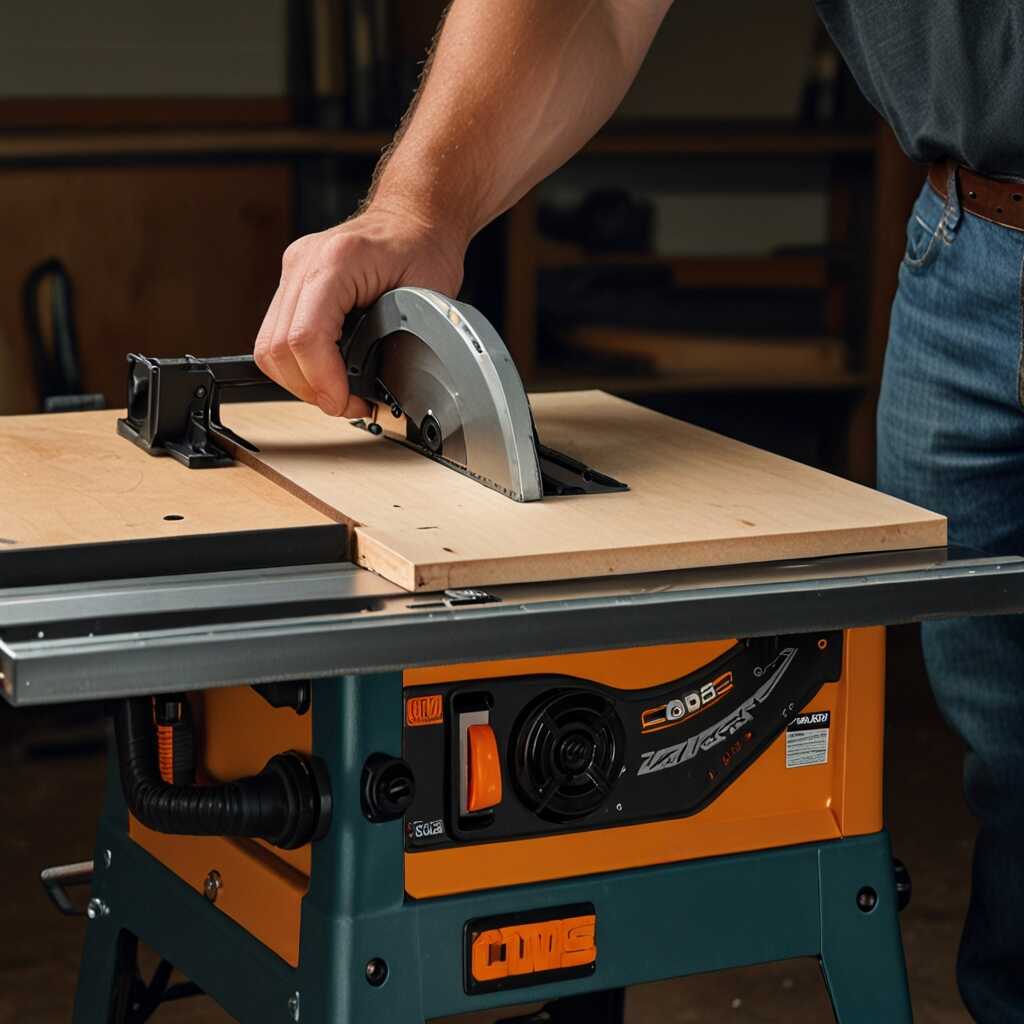
Different home renovation projects require specific saw types to achieve the best results. For instance, circular saws are excellent for cutting plywood and framing lumber, making them ideal for floor installations. Miter saws, perfect for making precise angle cuts, are essential for trim work. For more intricate cuts in wood, a jigsaw can handle curves and detailed shapes. When working with metals, a metal-cutting saw ensures clean, accurate cuts. Tile cutting saws are designed for slicing through ceramic and stone effectively. Knowing which saw to use for your project enhances efficiency and ensures a reliable outcome.
Recommended Saws for Materials
Choosing the right saw for various materials is crucial. When cutting hardwood, a table saw or miter saw is ideal for straight cuts and precision. Softwood needs less robust tools; a circular saw or jigsaw suffices. For metal, a metal-cutting saw or band saw provides the durability needed for clean cuts. Tile cutting requires dedicated tile saws that offer water cooling features, reducing heat and ensuring a better cut. Innovative Saws offers an extensive range of these saw types, ensuring you find reliable tools tailored to your renovation needs.
Comparing Costs of Corded and Cordless Saws
Corded saws typically have a lower initial investment compared to cordless saws, which often come with higher costs due to their batteries and added mobility features. Users should consider long-term maintenance expenses as well. Cordless saws may require battery replacements and maintenance, which can add to overall costs. Additionally, the average price for high-quality corded saws ranges between $100 to $300, while cordless models generally range from $150 to $400. Each saw offers valuable features and performance benefits that cater to different renovation needs.
Understanding Long-Term Cost Implications for Renovation Projects
When choosing between corded and cordless saws, understanding long-term cost implications is crucial for effective budgeting. Corded saws boast reliability and minimal ongoing costs. They do not require battery replacements and have lower maintenance expenses. Conversely, cordless saws offer convenience and mobility but usually have higher long-term costs. Frequent users will need to invest in battery replacements. For instance, a good quality battery for a cordless saw costs around $50 to $100 and typically lasts 2 to 4 years depending on usage. Weighing these factors helps in selecting the best saw for your project needs.
Brands and Users for Effective Cutting Solutions
- DeWALT offers robust performance in power tools, favored by professionals.
- Makita is popular among woodworkers for its lightweight cordless options.
- Hobbyists prefer Black & Decker for its affordability and ease of use.
- Milwaukee is known for high durability, suitable for heavy construction tasks.
- Porter-Cable delivers dependable tools for general home renovation projects.
- Many contractors choose Bosch for innovative features and precise cutting.
- Home renovators widely appreciate Ryobi for great value and versatility.
Expert Tips for Selecting the Ideal Saw
When choosing the best saw for home renovation, consider several factors. Look for reliability and performance ratings in customer reviews. Think about your specific needs: whether a corded saw offers better power for heavy-duty jobs or if a cordless saw provides easier mobility for smaller tasks. Research the saw types available, such as circular, miter, or jigsaw, ensuring they are designed for the materials you’ll be cutting. Innovative Saws emphasizes checking the efficiency, durability, and quality of each saw before making a purchase.
Common Applications for Different Types of Saws
Understanding common applications for various saw types can significantly enhance your project results. Circular saws are best for straight and quick cuts on lumber. For precise angle cuts, a miter saw is essential. If you’re handling intricate designs, a jigsaw will help create detailed patterns. Each saw type from Innovative Saws is designed with specific features to improve your cutting experience. Durability and a comfortable grip add to the efficiency, making them excellent choices for both DIYers and professionals.