When replacing circular saw blades, homeowners need to understand essential factors that influence performance and safety. Choosing the right blade enhances cutting efficiency and prolongs the life of your circular saw. Innovative Saws provides guidance on compatibility and maintenance to ensure you make informed decisions. Whether you are a DIY enthusiast or a professional woodworker, selecting the right replacement blades is crucial for achieving the best results.
Essential Overview of Circular Saw Blades and Their Functions
Circular saw blades come in various types, each designed for specific materials and cutting tasks. The main categories include general-purpose blades, fine-tooth blades for smooth cuts, and special blades for wood, metal, or masonry. Homeowners can choose specific blades based on the material they are cutting. For instance, carbide-tipped blades are highly durable and ideal for tough materials. Choosing the right blade type ensures efficiency and quality in your work. Understanding blade material options and their functions can significantly enhance cutting performance and efficiency.
Choosing the Right Blade for Your Project
Selecting the correct circular saw blade is essential for achieving the best results in your projects. Factors include the blade’s size, material, and teeth count. Generally, a blade with more teeth provides smoother cuts but cuts more slowly. A typical blade for wood may have 24 to 80 teeth, depending on the desired finish. For metal, blades often contain fewer teeth, maximizing cutting efficiency. Innovative Saws provides expert guidance on selecting the right blade based on your specific project requirements.
Key Indicators for Replacing Circular Saw Blades
Signs that indicate the need to replace a circular saw blade include increased tear on the blade, visible damage to teeth, and rust formation on the metal. Homeowners should regularly inspect for rough or uneven cuts, as these suggest the blade is failing to provide reliable performance. Additionally, listening for unusual sounds or vibrations during use is essential, as these can indicate that the blade’s quality has diminished, affecting efficiency. The average lifespan of a circular saw blade varies by material, but many standard blades typically last between 50 to 100 working hours. Regular reviews and maintenance can enhance blade longevity and overall cutting results.
Understanding the Life Cycle of a Circular Saw Blade
The life cycle of a circular saw blade depends on several factors, including the material being cut, the quality of the blade, and the frequency of use. Blades designed for tougher materials like metal or thick hardwood experience faster wear, leading to more frequent replacements. Innovative Saws provides guidance on selecting the right blade for specific applications. Proper maintenance, such as cleaning and lubrication, can significantly improve a circular saw blade’s efficiency and durability. Homeowners should keep track of their blade usage and consider replacement when cuts become inefficient or the blade shows signs of wear. Regular testing and review will ensure optimal performance for various projects.

How to Choose the Right Circular Saw Blade for Your Needs
Homeowners should consider several essential factors when selecting a circular saw blade. First, identify the material type you will cut, such as wood, metal, or composites. Blade design, including tooth count and geometry, can greatly affect cutting efficiency. For instance, blades with fewer teeth cut faster, while those with more teeth provide smoother finishes. The blade’s thickness also plays a role in durability and performance. Ensure that the selected blade is compatible with your circular saw, considering the arbor size and power. This ensures reliability and safety, which is crucial during operation. Always refer to product reviews and specifications from trusted retailers like Innovative Saws to guide your choice.
Understanding Blade Materials and Coatings
Choosing the right blade material significantly influences your cutting results. For example, carbide-tipped blades offer durability and long-lasting performance for cutting wood and hardwoods. High-speed steel blades are suitable for softer materials. Additionally, blades designed with specific coatings, such as anti-stick or carbide coating, enhance performance by minimizing friction and preventing pitch buildup. This results in smoother cuts and less downtime for blade maintenance. Optimal performance is attainable when selecting a blade tailored to your project’s material requirements. Refer to guides provided by Innovative Saws to ensure you make informed choices.
Key Numerical Insights for Your Circular Saw Blade Decision
- Standard blade diameter for most circular saws is typically 7.25 inches.
- Replacement frequency generally occurs every 30 to 50 cuts, depending on material.
- Commonly used tooth configurations range from 24 to 80 teeth for various cuts.
- Compatible blade thickness normally ranges from 0.059 inches to 0.1 inches.
- Most blades cost between $10 to $100, depending on quality and type.
- Optimal RPM for circular saws often lies between 5,000 to 7,000 revolutions per minute.
- Steel and carbide-tipped blades typically last longer, providing better value.
Impact of Blade Material and Coating on Cutting Performance
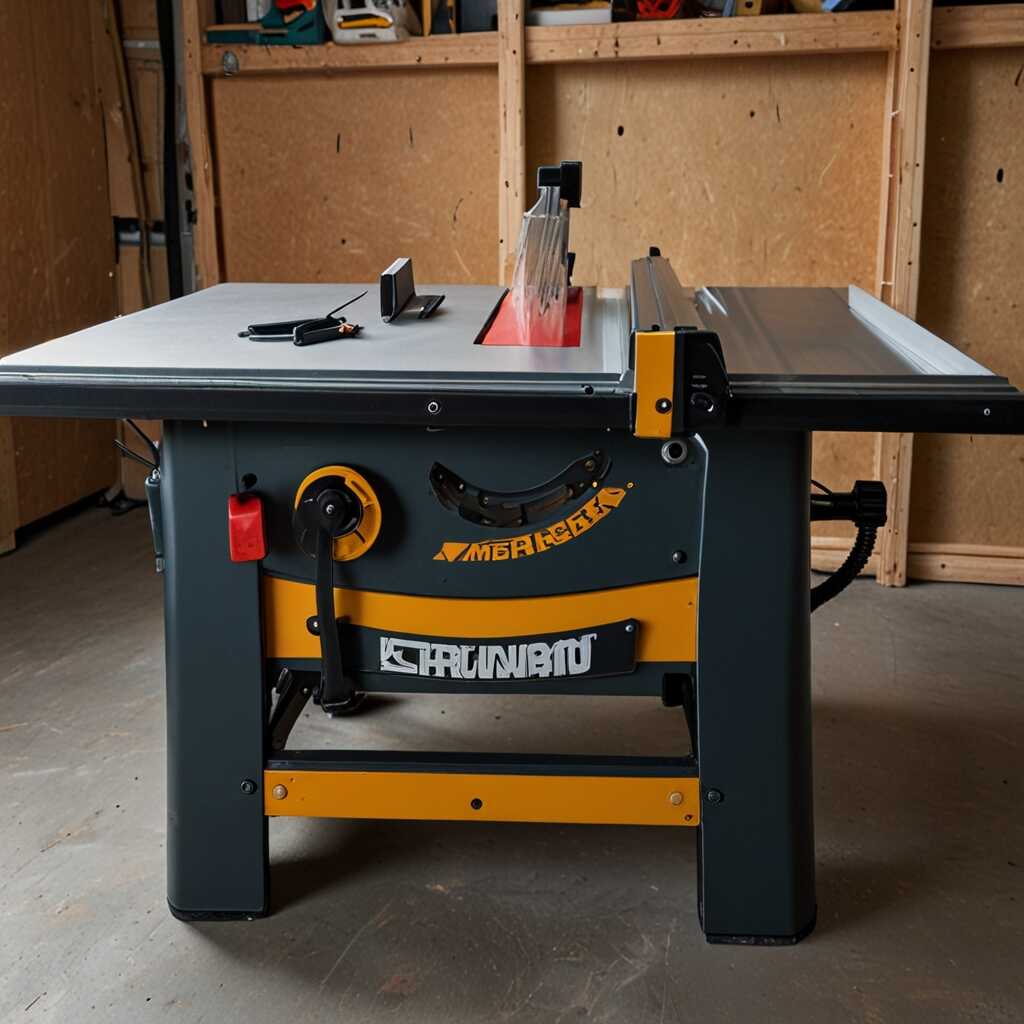
Choosing the right blade material is essential for effective cutting. Common materials include high-speed steel, carbide-tipped, and diamond blades. High-speed steel blades are suitable for softwoods and general cutting. Carbide-tipped blades handle tougher materials like hardwoods and engineered wood. Diamond blades excel in cutting ceramics and concrete. Different coatings, such as titanium or chrome, enhance performance by reducing friction and heat. Coated blades last longer and maintain sharper edges. Homeowners should understand that blade longevity varies with material type and usage. Typically, carbide-tipped blades can last up to 10 times longer than standard high-speed steel blades when used properly.
Understanding Blade Coatings for Optimal Performance
Blade coatings significantly enhance cutting efficiency. Coatings such as titanium-nitride create a smoother surface, reducing resistance and heat during cuts. A coated blade can maintain sharpness longer, giving better results in woodworking and metal projects. When selecting a blade, look for those with enhanced coatings to improve performance and longevity. Brands like Innovative Saws offer a wide variety of coated blades tailored to specific cutting tasks. A reliable coating can effectively improve the durability and precision of your cuts, enabling smoother operation and superior results.

The Role of Tooth Count in Achieving Desired Cut Quality
Tooth count is crucial for determining your circular saw blade’s cut quality and speed. Blades with fewer teeth cut faster but produce coarser edges. Higher tooth counts yield smoother finishes but may cut slower. Selecting a tooth count depends on your specific cutting needs, such as whether you’re working with hardwood, softwood, plywood, or even metal. Each material demands a different approach for optimal results. A good example is that blades for softwood may range from 24 to 40 teeth, while those for plywood might require 60 to 80 teeth to achieve a smooth finish.
Choosing the Right Tooth Count Based on Material
When selecting a circular saw blade, consider the specific material you’ll be cutting. For instance, hardwood cutting often requires blades with a higher tooth count, around 60 teeth, to minimize tear-out and ensure a clean finish. Conversely, softwoods may work better with blades that have around 24 to 30 teeth for efficiency. Plywood demands blades with around 80 teeth to handle its thin layers without splintering. If you’re cutting metal, look for carbide-tipped blades, as these typically have 40 teeth, providing a balance of speed and cut quality. Matching the tooth count to your material ensures reliable performance and impressive results.
Advantages of Selecting the Right Blade for Your Projects
- Using compatible blades improves cutting precision and quality.
- High-performance blades enhance the overall safety during operation.
- Caring for blades through maintenance significantly extends their lifespan.
- Choosing the right type boosts efficiency, saving time and effort.
- Connections and compatibility reduce the risk of accidents and blade breakage.
- Properly maintained blades ensure cleaner cuts, resulting in better finishes.
- Knowledgeable choices lead to successful outcomes in DIY projects.
Best Practices for Maintaining Circular Saw Blades
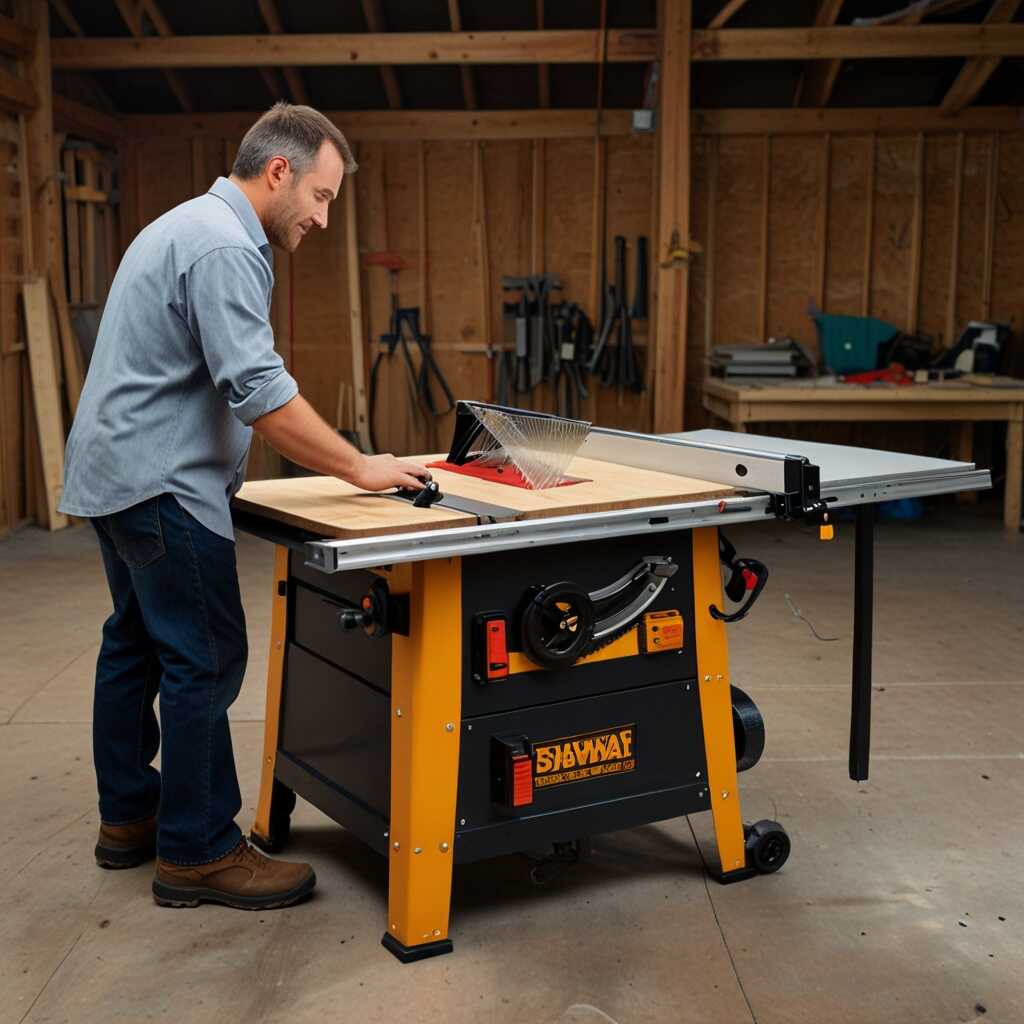
Homeowners should follow essential maintenance practices for circular saw blades to enhance their reliability and performance. Key practices include regular cleaning to remove debris and sap, which can affect cutting efficiency. Proper storage techniques play a vital role in preventing damage. Store blades in a dry, dust-free environment, ideally in protective cases. Lubrication is crucial for smooth operation, so homeowners should apply lubrication at least every 10 uses or whenever making rough cuts. This practice can greatly enhance blade lifespan and ensure high-quality cuts.
How to Properly Clean and Store Circular Saw Blades
Cleaning and storing circular saw blades correctly is critical for long-term efficiency. To clean, use a soft-bristle brush and a biodegradable degreaser to remove accumulated resin and adhesives. Avoid abrasive materials that can damage the blade’s surface. After cleaning, dry the blade thoroughly to prevent rusting. For storage, place blades in a designated protective case or on a blade rack, away from moisture and contaminants. This careful approach ensures your circular saw blades remain in excellent condition, enabling optimal performance for various projects.
Identifying When Expert Help is Necessary for Blade Replacement
Homeowners should seek expert help for replacing circular saw blades in specific situations. If you notice unusual vibrations, excessive noise, or a dull cutting edge, these could be signs that a blade replacement is necessary. In addition, if the blade has visible damage, such as chips or cracks, consulting with a professional is essential to ensure safety. Experts can guide you on compatibility and performance to ensure you choose the right blade for your specific saw model. Safety during operation is crucial, and professionals can perform a reliable inspection that enhances your cutting tool’s efficiency.
When to Consider Professional Assistance for Blade Replacement
Professional assistance is vital for homeowners when faced with complex blade replacement scenarios. If unfamiliar with saw types or if the project involves specialized cutting tasks, seeking expert advice can prevent accidents. Additionally, if the circular saw is frequently used for heavy-duty tasks, high-quality blades must be selected to enhance performance. Expert reviews can help compare options that suit your needs, ensuring you get the most reliable and durable blades. Understanding blade maintenance tips from a professional can also prolong blade life, which is especially important for homeowners using saws regularly.
Who Benefits from a Knowledgeable Approach to Circular Saw Blades?
- DIY enthusiasts often seek better cuts for home improvement tasks.
- Novice users need guidance on safe and effective blade selection.
- Woodworking professionals favor high-quality blades for intricate designs.
- Contractors rely on efficient blades to meet project deadlines.
- Weekend warriors appreciate durability and performance from cutting tools.
- Experienced builders prefer blades that withstand heavy usage and last longer.
- Compact saw users benefit from lightweight options suited for mobility.
Reliable Sources for Purchasing Quality Circular Saw Blades
Homeowners can find quality circular saw blades at trusted retailers like Innovative Saws, Home Depot, and Lowe’s. These suppliers specialize in cutting tools and provide detailed product descriptions and specifications. Online platforms such as Amazon and eBay offer extensive customer reviews, helping users make informed decisions about their purchases. Researching sellers with strong reputations provides assurance of quality. Circular saw blades generally range in diameter from 4 inches to 12 inches. Selecting the right size enhances cutting performance.
What to Look for in a Trusted Retailer
When choosing a retailer for circular saw blades, consider experience and reviews. Retailers like Innovative Saws have robust testing processes that ensure product reliability and performance. Look for comprehensive product descriptions that highlight essential features. Product materials should be durable and suited for specific tasks, enhancing efficiency. Additionally, check for customer support availability to address any inquiries post-purchase. Good retailers provide clear return policies, which assure confidence in your purchase.