The Essential Guide to Specialized Fret Saws for Guitar Neck Crafting is your go-to resource for selecting the right tools for building guitar necks. Understanding the unique features of specialized fret saws can make a big difference in achieving precision cuts. At Innovative Saws, we offer expert advice on using these essential tools effectively. In this guide, you will find tips on selecting, using, and maintaining fret saws to elevate your guitar crafting skills.
Why Fret Saws Are Crucial for Guitar Neck Construction
Fret saws are essential for crafting guitar necks due to their unique design, enabling precise cutting necessary for detailed work. These specialized cutting tools provide woodworkers with the reliability needed for accurate formations of the neck profile. When luthiers use fret saws, they enhance the quality of their instruments by ensuring smooth and accurate cuts. The specialized design allows for intricate shape cuts, making it easier to achieve the desired curvature. The efficiency of fret saws is particularly notable when handling wood typically 0.5 to 1 inch thick, making them ideal for the various stages of guitar neck construction.
Types of Fret Saws and Their Precision Features
Different types of fret saws enhance precision through their unique features designed for specific tasks. For example, the small kerf of a fret saw minimizes wood waste while enabling tight, detailed cuts. Some saws offer adjustable tension that provides better control over the cutting angle, essential for shaping the neck accurately. Others feature ergonomic handles that improve comfort and control during lengthy sessions. By selecting the right fret saw, luthiers can achieve better results, ensuring that each guitar neck meets high-quality craftsmanship standards. Innovative Saws offers a range of these specialized cutting tools to help you succeed in your projects.
Exploring Various Types of Fret Saws Used by Luthiers
Luthiers commonly use several types of specialized fret saws for crafting guitar necks. These saws include the traditional fret saw, coping saw, and scroll saw. The traditional fret saw is designed for precision cuts, with a thin blade that provides excellent maneuverability. Coping saws are similar but generally have a deeper frame that can accommodate larger curves. Scroll saws offer even more control, with variable speed settings that help achieve detailed cuts in wood. Each type enhances performance and reliability in crafting guitar necks through specific features that allow for intricate work.
Understanding the Importance of Blade Selection in Fret Saws
Choosing the right blade thickness is crucial for ensuring the effective use of specialized fret saws. Luthiers typically select blades that range from 0.012 inches to 0.023 inches in thickness. These sizes balance flexibility and sturdiness effectively, allowing precise cuts without damaging the wood. The blade’s tooth count and spacing also play essential roles in achieving a smooth finish. More teeth per inch deliver cleaner cuts when working on delicate guitar neck components. For maximum efficiency and reliable performance, woodworkers should regularly review and test different blade options to find the best fit for their specific projects.

Essential Features to Consider in Fret Saws
When crafting guitar necks, specialized fret saws should have specific features that enhance their performance. Blade thickness is critical; thinner blades allow for more detailed cuts. The tooth count also plays a significant role; higher tooth counts enable smoother finishes. Ergonomic design contributes to user comfort, preventing fatigue during long hours of work. Together, these elements improve the efficiency and precision necessary for quality guitar neck crafting.
Understanding Blade Thickness and Its Impact on Cutting
Blade thickness influences the type of cuts a fret saw can make. A thinner blade, typically 0.04 to 0.06 inches, offers greater precision, ideal for intricate fretboard inlays. This thickness allows for sharper turns and smoother curves. Thicker blades, while more durable, can limit fine-detail work. Selecting the right blade thickness ensures that your fret saw can handle various guitar neck designs effectively, allowing for reliable and clean cuts that are essential for professional results.
Key Numerical Insights on Fret Saws for Luthiers
- Many fret saws have a blade thickness between 0.1 and 0.2 inches.
- Specialized fret saws typically have a blade length of around 5 to 10 inches.
- Common tooth counts range from 10 to 20 teeth per inch.
- Some saws can perform intricate cuts with up to 30 angles.
- Fret saws may weigh between 1 to 3 pounds for ease of handling.
- Users generally report an average lifespan of 500 cuts per blade.
- Expect to spend between $30 and $150 on a quality fret saw.

Advantages of Specialized Fret Saws for Precision Crafting
Specialized fret saws provide numerous benefits over general saws. They are designed specifically for crafting guitar necks, leading to enhanced precision and control. The narrow blades of fret saws allow for intricate cuts, making it easier to shape fret slots and other delicate features. Their unique designs improve ergonomics and performance, allowing luthiers to perform detailed work without straining. For instance, specialized fret saws typically have a high tooth count, ensuring clean cuts with minimal chipping. The superior quality of these saws contributes to excellent craftsmanship and consistency in results. Furthermore, brands like Innovative Saws offer a range of high-quality fret saws tested for reliability and durability.
Key Features of Specialized Fret Saws
Specialized fret saws include unique features that enhance their performance in guitar neck production. Many models have adjustable blades that offer various tooth configurations for specific tasks. For example, a higher tooth per inch (TPI) count, around 20 to 30 TPI, allows for finer work, ideal for cutting precise fret slots. Additionally, many fret saws are equipped with comfortable grips and lightweight designs. This reduces fatigue during prolonged use, promoting greater accuracy. Brands like Innovative Saws ensure their fret saws are rigorously tested for quality, providing luthiers with reliable tools that improve their overall workflow and craftsmanship.
Mistakes to Avoid When Selecting Fret Saws for Guitar Making
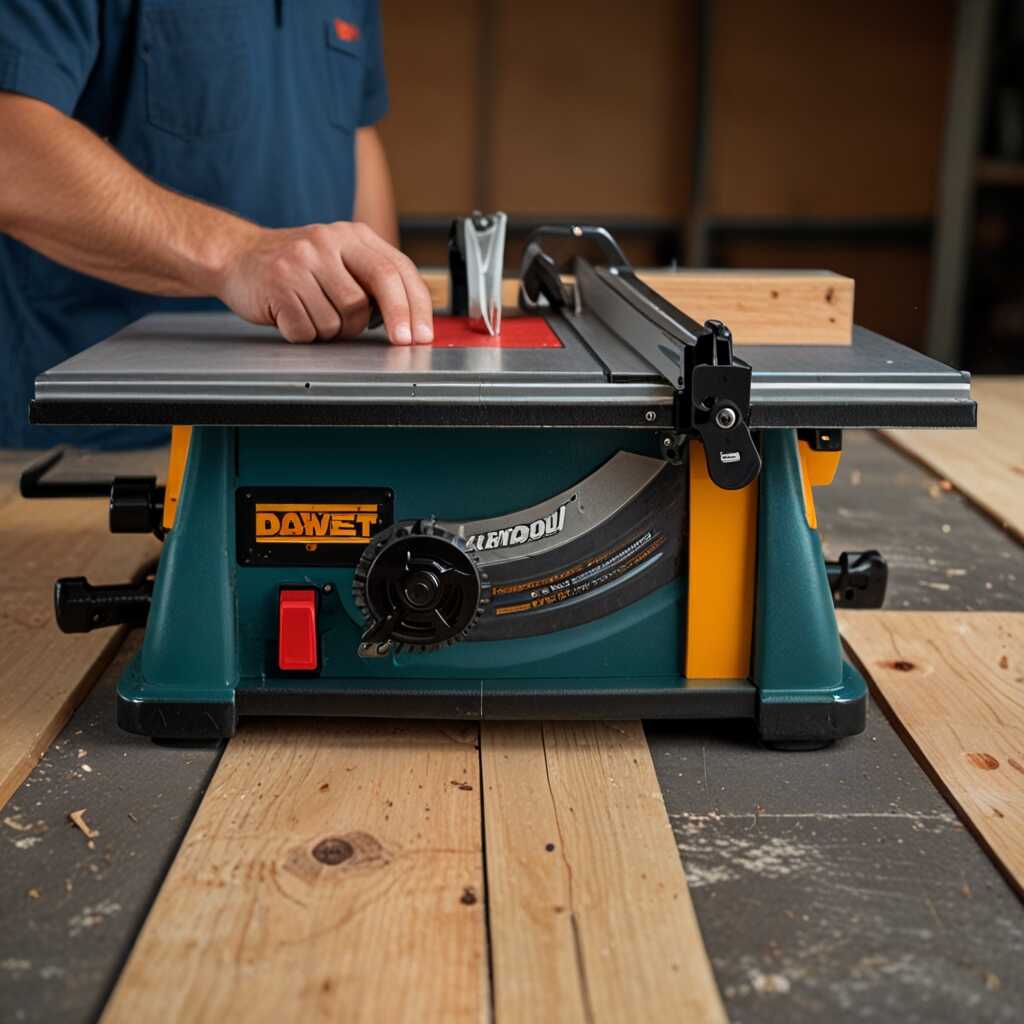
Luthiers often make mistakes when selecting fret saws for guitar making. Common errors include not considering the blade size and type, which can affect the precision of cuts. A lack of reliable data and reviews may lead to choosing subpar models that do not meet efficiency needs. Fret saws should be rugged, designed to handle delicate work, and provide a comfortable grip for prolonged use. Additionally, neglecting to compare features and results across different models can limit the understanding of what the best options are for specific guitar crafting requirements.
How to Compare Fret Saw Models for Optimal Selection
Comparing fret saw models effectively requires research on various features found in each option. Look for saws that have proven performance across multiple tasks. Blade width, teeth configuration, and handle comfort should all factor into the comparison process. Reviews can help identify which saws deliver reliable results and which ones might fall short in durability and efficiency. Consider trying out the saws, if possible, to evaluate grip comfort and cutting precision. Fret saws with dimensions around 0.023 to 0.025 inches in blade thickness are generally optimal for guitar crafting, providing a good balance of sturdiness and flexibility.
Advantages of Using Precision Cutting Tools
- They produce clean, detailed cuts that enhance craft quality.
- Specialized fret saws enable musicians to create custom neck shapes.
- Users can adjust blade tension for different wood types.
- They allow for greater control during the cutting process.
- Lightweight designs reduce hand fatigue during extended use.
- Many models come with adjustable angles for varied projects.
- They improve workflow efficiency in luthier workshops.
Trusted Fret Saw Brands for Professional Luthiers
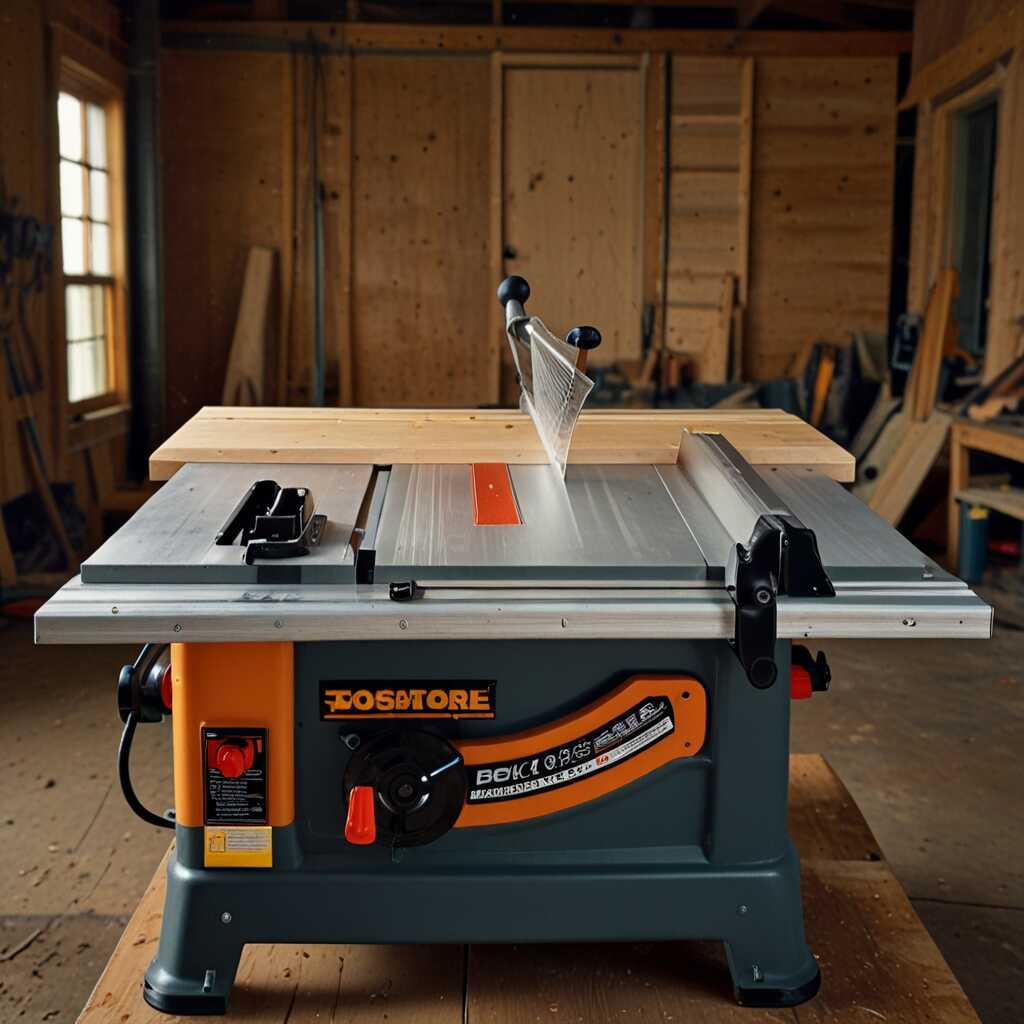
Several brands are recognized for their reliable fret saws among professional luthiers. Brands like **Veritas**, **Wolfcraft**, and **StewMac** stand out due to their exceptional quality and performance. Veritas is praised for its durable construction and innovative design, while Wolfcraft offers ergonomic features for comfortable handling. StewMac provides precision tools specifically tailored for luthiers, ensuring quality and efficiency in crafting guitar necks. User feedback indicates that StewMac received the highest ratings in 2025 for its commitment to customer satisfaction and tool reliability. Each of these brands is recognized for quality assessments that emphasize their ability to provide precise cuts and reliable performance, enhancing the luthier’s crafting experience.
Key Features of Top Fret Saw Brands
Understanding the key features of the best fret saw brands helps luthiers make informed choices. Veritas offers a rigid, straight-edge design that ensures cuts are accurate and precise. Wolfcraft focuses on developing user-friendly tools with comfortable grips that reduce strain during intricate work. StewMac emphasizes tool precision by including adjustable blades for various thicknesses, enabling versatile application. Each brand undergoes rigorous testing to verify its durability and performance. Reliable metrics from user reviews highlight the long-lasting and high-performing nature of these tools, ensuring that luthiers can complete their projects efficiently with confidence in their saws.
Techniques for the Effective Use of Fret Saws
Proper positioning and angling of a fret saw are crucial for achieving precision cuts in guitar crafting. Users should hold the fret saw at a consistent angle of about 45 degrees to ensure clean lines. Utilizing both hands stabilizes the tool, enhancing control and accuracy. Employ smooth, even strokes while maintaining a steady pace to prevent blade binding. Effective cutting methods include starting with light pressure, allowing the saw to cut through the wood naturally, increasing pressure as needed.
Understanding Different Fret Saw Blade Types
Various fret saw blade types exist, each designed for specific tasks in lutherie. Common types include skip-tooth blades, designed for aggressive cuts, and blades with finer teeth for intricate work. A 12 to 18 TPI (teeth per inch) in these blades ensures smooth cuts while maintaining control. Blade materials also matter, with high-carbon steel blades offering durability and flexibility. Choosing the right blade type based on your task can significantly enhance your cutting efficiency and quality in guitar neck crafting.
Important Tools and Their Suitable Users
- Luthiers benefit from precision tools for guitar neck crafting.
- Hobbyist woodworkers grow more skilled with these saws.
- Professional guitar builders reach mastery with specialized tools.
- Beginner DIY enthusiasts learn best practices using fret saws.
- Schools and workshops teach woodworking basics with these tools.
- Saw manufacturers offer different features appealing to all users.
- Experienced luthiers appreciate the enhanced creativity these saws enable.
Maintaining Your Fret Saw for Optimal Longevity
To ensure your fret saw remains in excellent condition, follow essential maintenance tips like regular cleaning, proper blade storage, and lubrication of moving parts. Cleaning the saw after each use prevents resin and dust buildup, which can impair performance. Store blades flat and protected from moisture to avoid rust, ensuring their reliability. Regularly lubricating the saw’s moving parts enhances performance and efficiency. Inspections should occur monthly to identify wear on blades and other components before they affect your guitar neck crafting results.
How to Properly Store and Clean Your Fret Saw
Cleaning and storing your fret saw correctly is crucial for its longevity and performance. After each use, wipe down the blade and body with a soft cloth to remove any dust or resin. Use a brush for hard-to-reach areas. Avoid using water, which can cause rust. For storage, consider a padded case to protect the saw from dings and scratches. Ensure the blade is covered to prevent injury and maintain sharpness. Employing these practices helps maintain your fret saw’s quality, improving your overall crafting experience.