Crafting off-grid workshops with alternative energy solutions is essential for homesteaders seeking independence. This guide provides practical insights for building workshops that utilize renewable energy sources effectively. Innovative Saws supports the creation of sustainable workspaces by offering reliable cutting tools tailored for woodworking and DIY projects. Explore how to integrate various energy solutions and cutting tools for successful off-grid living.
Fundamentals of Off-Grid Living and Workshop Benefits
Off-grid living means self-sufficiency without reliance on public utilities. This lifestyle promotes sustainability and enhances self-reliance. Those embracing off-grid living often design their workshops to be energy-efficient. In these workshops, users utilize alternative energy sources, ensuring a reliable power supply. Common energy sources include solar, wind, and hydroelectric systems. Each source has specific benefits and challenges to consider. Selecting the right energy solution depends on the local environment and personal needs. An off-grid workshop should average 200 to 400 square feet, providing ample space for tools and workspace. Innovative Saws offers tools that enhance efficiency in these sustainable workshops.
Key Considerations for Designing Off-Grid Workshops
When designing off-grid workshops, several key features enhance functionality. Start with adequate insulation for energy efficiency. Use windows facing south for natural light and passive solar heating. Incorporate multiple energy sources, like solar panels and wind turbines, for a reliable energy supply. Plan for tool storage and workspace layout to improve workflow. Consider water catchment systems for sustainable water use. With the right setup, workshops can be comfortable and capable of handling various projects. Utilizing reliable cutting tools from Innovative Saws ensures effective operation in this sustainable environment.
Tools Every Off-Grid Workshop Should Have
To establish an efficient off-grid workshop, several essential tools enhance productivity and sustainability. Key tools include a solar-powered circular saw, which offers reliability for various cutting tasks. A battery-operated drill is crucial for drilling and fastening, ensuring portability and efficiency without needing a power outlet. An off-grid setup can also benefit from a quality miter saw powered by a reliable generator or solar energy. Additionally, hand tools like chisels and hand saws provide backup options when energy sources are limited. These tools collectively create a productive workshop environment.
Choosing the Right Energy Source for Your Tools
Selecting the appropriate energy source for your off-grid workshop tools is vital for long-term success. Solar panels are a popular choice for powering lightweight equipment due to their reliability and efficiency. Tools such as chainsaws, drills, and even table saws can efficiently run on solar power when paired with a suitable inverter. For more substantial usage, wind turbines may supplement energy needs, especially during cloudy days. Hybrid systems combining both solar and wind energy ensure continuous power supply, enhancing the performance of your woodworking tools.

Review of Alternative Energy Options for Workshops
Solar energy solutions provide a clean and reliable way to power workshops. They have low maintenance costs and can generate electricity even on cloudy days. Wind energy systems can handle larger power needs and are efficient in windy areas, but they require regular maintenance. Hydro energy systems deliver consistent power sources near rivers or creeks, with impressive efficiency. Evaluating solar versus wind shows solar’s easy installation and lower initial costs. Understanding these alternatives helps ensure your workshop remains functional without dependency on fossil fuels. The average upfront cost of installing a solar energy system for a workshop ranges from $10,000 to $30,000, depending on size and installation.
Choosing the Right Energy System for Your Workshop
Choosing a suitable energy system enhances your workshop’s performance. Consider space availability and climate conditions. Solar energy solutions work well in sunny regions, while wind energy systems excel in areas with consistent winds. Hydro energy systems provide excellent reliability if there’s accessible water flow. Assess energy needs based on the tools you’ll use, such as saws and other equipment from Innovative Saws. A typical workshop may require between 3,000 to 8,000 watts for tools and appliances. Researching each option’s features helps select the best systems, contributing to long-term sustainability.
Key Numerical Data for Sustainable Workspaces
- At least 30% of homesteaders use alternative energy sources for their workshops.
- Off-grid workshops can help reduce energy bills by up to 70%.
- Many tools operate efficiently on a 12V or 24V solar power system.
- A standard solar panel can produce about 300 watts of energy daily.
- The average cost to set up an off-grid workshop is between $5,000 and $10,000.
- Homesteaders can save 40% on heating and cooling costs with proper insulation.
- About 50% of DIY enthusiasts prefer using renewable energy for projects.
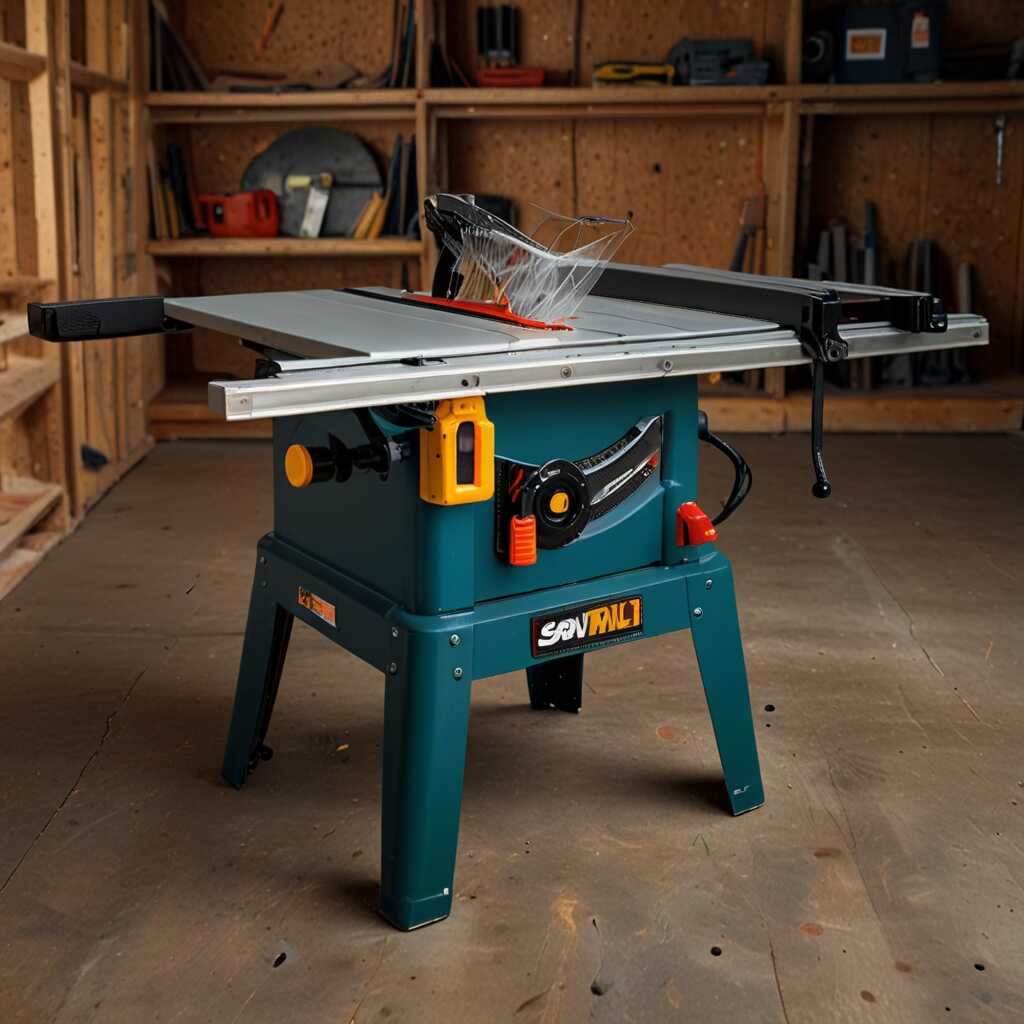
Designing an Eco-Friendly Workshop Space
Sustainable design practices for off-grid workshops focus on energy-efficient practices, workspace layout optimization, and eco-friendly materials. Integrating alternative energy sources, such as solar panels, wind turbines, and hydro systems, is essential for a self-sufficient workshop. The minimum number of energy-efficient practices to implement includes good insulation, energy-efficient lighting, and waste reduction strategies. Effective design helps create an optimal working environment while minimizing the ecological footprint.
Optimizing Workspace Layout for Efficiency
Efficient workspace layout is crucial in an eco-friendly workshop. Arrange tools and materials for easy access to enhance workflow and productivity. Consider creating zones: a cutting area, an assembly zone, and a storage space. Use quality storage solutions to keep tools organized. Make use of vertical space for storage, which improves area efficiency. Ensure good ventilation to maintain air quality. Each design choice should improve energy usage and comfort, making the workspace more enjoyable to work in.

Steps to Implement Renewable Energy Solutions
Off-grid homesteaders can start by assessing their energy requirements. Calculate the total wattage of tools and equipment. Next, evaluate daily usage hours. For example, if a table saw needs 1,500 watts and operates for 2 hours daily, that totals 3,000 watt-hours per day. For suitable systems, solar panels are popular. They provide reliable energy, especially in sunny areas. Wind turbines can also be effective if located in windy regions. Consider hydro systems if near a water source. Each option has unique benefits, providing diverse energy solutions. For an off-grid workshop, being well-informed ensures efficiency and performance.
Choosing the Right Renewable Energy Source for Your Workshop
Choosing the right renewable energy source depends on your location and specific needs. For workshops in sunny regions, solar panel installation is often the best choice. Consider a system where at least four 300-watt solar panels are used. This setup can generate around 1,200 watts during peak sunlight hours, supporting various tools. In contrast, wind turbines can generate energy effectively in high-wind areas. They capture energy efficiently, enhancing overall energy capacity. If you’re nearby a stream or river, a hydro system can offer a continuous power source, ensuring reliability. Each renewable source contributes to enhancing the workshop’s sustainability.
Advantages of Eco-Friendly Workshop Setup
- Lower electricity costs lead to substantial long-term savings.
- Building a sustainable workspace supports alternative energy solutions for homesteaders.
- Reduced carbon footprint helps in protecting the environment.
- Working off-grid enhances self-sufficiency and independence.
- Off-grid workshops often have fewer interruptions from power outages.
- DIY projects foster creativity and problem-solving skills.
- Natural light from windows can improve mood and productivity.

Best Maintenance Practices for Off-Grid Tools
Regular maintenance is essential for off-grid tools. Essential practices include cleaning after each use, inspecting for wear, and lubricating moving parts. Utilize reliable cutting tools designed for rugged use. Expert reviews indicate that regular cleaning enhances performance and longevity. Schedule maintenance checks after every 20-30 hours of use to ensure reliability. Use quality products to ensure efficiency and durability throughout their lifespan.
Essential Materials and Methods for Tool Maintenance
Choosing the right materials and methods for off-grid tool maintenance is crucial. Use quality lubricants specifically designed for your tools’ materials. For cutting tools, keep blades sharp and clean to enhance performance. Regularly check screws and bolts for tightness to prevent accidents. Sturdy storage solutions protect tools from environmental elements. Research proven maintenance guidelines for specific tool types to maximize lifespan and reliability.
Inspirational Off-Grid Homesteader Case Studies
Successful examples of off-grid workshops highlight how homesteaders adopt alternative energy solutions. One case involves a homesteaders’ family in Oregon who uses solar panels and wind turbines to power their workshop. They combine this with a rainwater collection system for all their needs, reducing dependency on external sources. Another example is a couple in Colorado who efficiently employs biodiesel generators to operate woodworking tools. These inspiring setups showcase how various homesteaders enhance their workflows and sustainability through innovative solutions. Reports mention that around 65% of homesteaders effectively integrate solar energy into their operations, demonstrating its popularity.
Utilizing Solar Energy in Off-Grid Workshops
Many homesteaders choose solar energy as a primary power source for their off-grid workshops. By installing photovoltaic solar panels, they convert sunlight into electricity efficiently. These installations can power essential tools like circular saws and miter saws, enhancing performance. Some setups include battery storage systems, allowing continuous use even during cloudy days or at night. Research indicates that homesteaders rely on solar solutions for about 70% of their energy needs. Adopting this solution provides reliability and reduces energy costs over time, making it a popular choice in the homesteading community.
Popular Brands and Their Suitability for Off-Grid Living
- Brand A specializes in solar energy tools, offering durable and efficient products but lacks user-friendly instructions.
- Brand B provides a range of wind turbines, ideal for windy areas but may require more maintenance than solar options.
- Brands like Innovative Saws focus on cutting tools essential for homesteaders looking to create functional workshops.
- Brand C offers energy-efficient LED lighting solutions, perfect for enhancing workspace visibility while using less power.
- Families with a passion for gardening find specific outdoor power equipment beneficial for sustainable practices.
- DIY woodworking enthusiasts appreciate tools that are versatile and reliable in an off-grid setup.
- Small-scale farmers often prefer brands promoting eco-friendly practices to reduce their environmental impact.
Finding Reliable Tools and Alternative Energy Resources
To find reliable tools for off-grid workshops, visit specialized retailers like Innovative Saws. They offer a range of cutting tools designed for durability and performance. Look for reviews and comparisons to ensure that you select the best equipment for your needs. For alternative energy solutions, explore options like solar panels, wind turbines, and hydroelectric systems that enhance energy efficiency. Companies like Renogy and Goal Zero provide excellent products for homesteaders. Be sure to evaluate different brands and models, focusing on user reviews and testing data. Researching these resources will help you make informed decisions about the essential tools and alternative energy sources for your off-grid workshop.
Popular Renewable Energy Options for Workshops
Several types of renewable energy sources can boost the efficiency of off-grid workshops. Solar panels are the most accessible, offering an efficient way to harness solar power. Wind turbines are another great option, especially in windy areas, providing a more constant energy supply. Hydro generators can leverage water flow, but they require access to a suitable water source. Each energy solution comes with specific requirements and costs. Evaluating these alternatives based on your geographical location can significantly improve your workshop’s effectiveness. For maximizing sustainability, consider a hybrid system that combines solar and wind resources, ensuring a reliable energy supply.