The impact of weather conditions on outdoor electric saw use can significantly affect efficiency and safety. Rain, wind, extreme temperatures, and humidity can challenge operators, making it essential to understand these factors. Innovative Saws offers insights and practical tips to help users adapt electric saw operation to varying weather scenarios. This guide aims to enhance your safety and effectiveness while working outdoors.
Exploring How Weather Influences Outdoor Work Effectiveness
Weather conditions such as rain and snow can significantly affect the operation of electric saws. Moisture can cause electrical components to short circuit, while slippery surfaces pose safety risks. Extreme temperatures can make saws difficult to handle and affect battery performance. For optimal use, consider equipment with weather-resistant features, such as sealed electrical components and sturdy grips. The ideal temperature range for using electric saws is typically between 32°F to 100°F (0°C to 38°C). Within this range, efficiency and safety are maintained, reducing the risk of malfunction and accidents.
Essential Equipment Features for Outdoor Electric Saws
When working outdoors in challenging weather, electric saws should include essential features that enhance reliability and performance. Look for saws designed with waterproof housing to protect electrical parts. Grips that offer comfort and prevent slipping improve control in rain or snow. A saw with a hardened blade that maintains performance in varied temperatures is crucial. Battery-powered models should have temperature management systems to ensure durability in cold or hot conditions. Selecting equipment with these features ensures effective outdoor work and increases safety.
Temperature Effects on Electric Saw Efficiency and Safety
Extreme temperatures can significantly impact electric saw performance. High temperatures can lead to overheating, affecting battery life and reducing overall efficiency. It can cause the saw to lag and not perform optimally. On the other hand, cold temperatures can hinder tool operation by causing the battery to drain faster, which affects reliability and performance. Electric saws are designed to operate best within a temperature range of approximately 32°F to 100°F (0°C to 38°C). Knowing this range helps users operate tools safely and efficiently.
Adapting Electric Saws for Hot and Cold Weather
To adapt electric saws for hot and cold weather, consider using insulated battery packs in cold conditions. They help maintain battery efficiency, ensuring consistent performance. In high temperatures, ensure proper ventilation for the motor to avoid overheating. Additionally, allow the saw to cool down during extended use to enhance performance. Always review the manufacturer’s guidelines for operating temperatures to ensure safe and effective use of tools. Implementing these best practices can extend the life of electric saws and improve their reliability, making outdoor projects safer and more efficient.

Safety Protocols for Using Electric Saws in Rainy Conditions
When using electric saws in wet conditions, it is crucial to prioritize safety. One essential measure is utilizing tools designed with water-resistant features. Always wear waterproof safety gear, including gloves and boots, to enhance grip and reduce the risk of slips. Avoid using electric saws on saturated surfaces or when heavy rain is ongoing. Make sure to keep the power cord dry and away from water to prevent electrocution. If water splashes on the tool, take a moment to dry it before continuing operation. Keeping your electric saw clean and ensuring proper maintenance improves its reliability and performance in such environments.
Choosing the Right Electric Saw for Rainy Conditions
Selecting the right electric saw for rainy conditions can enhance performance and safety. Look for saws with rubberized grips for better handling on wet surfaces. Saws built with moisture-resistant casings can withstand occasional splashes without compromising reliability. For outdoor projects in wet weather, consider using saws equipped with drip shields to protect internal components. Tools like corded electric saws are often unsuitable due to the risk of electric shock, while battery-operated models can offer increased safety. Reviewing specific models for performance ratings in wet environments can provide insights into which tools deliver the best results.
Numerical Insights on Atmospheric Influences
- Electric saws perform best in temperatures between 50°F and 85°F.
- Humidity levels between 30% and 50% are ideal for safe operation.
- Wind speeds under 10 mph reduce the risk of accidents.
- Rainfall can reduce operational efficiency by up to 30%.
- Prolonged exposure to moisture can shorten the lifespan of electric saws.
- Electric saws should not be used in temperatures below 32°F to avoid malfunction.
- Over 70% of electric saw injuries occur in adverse weather conditions.
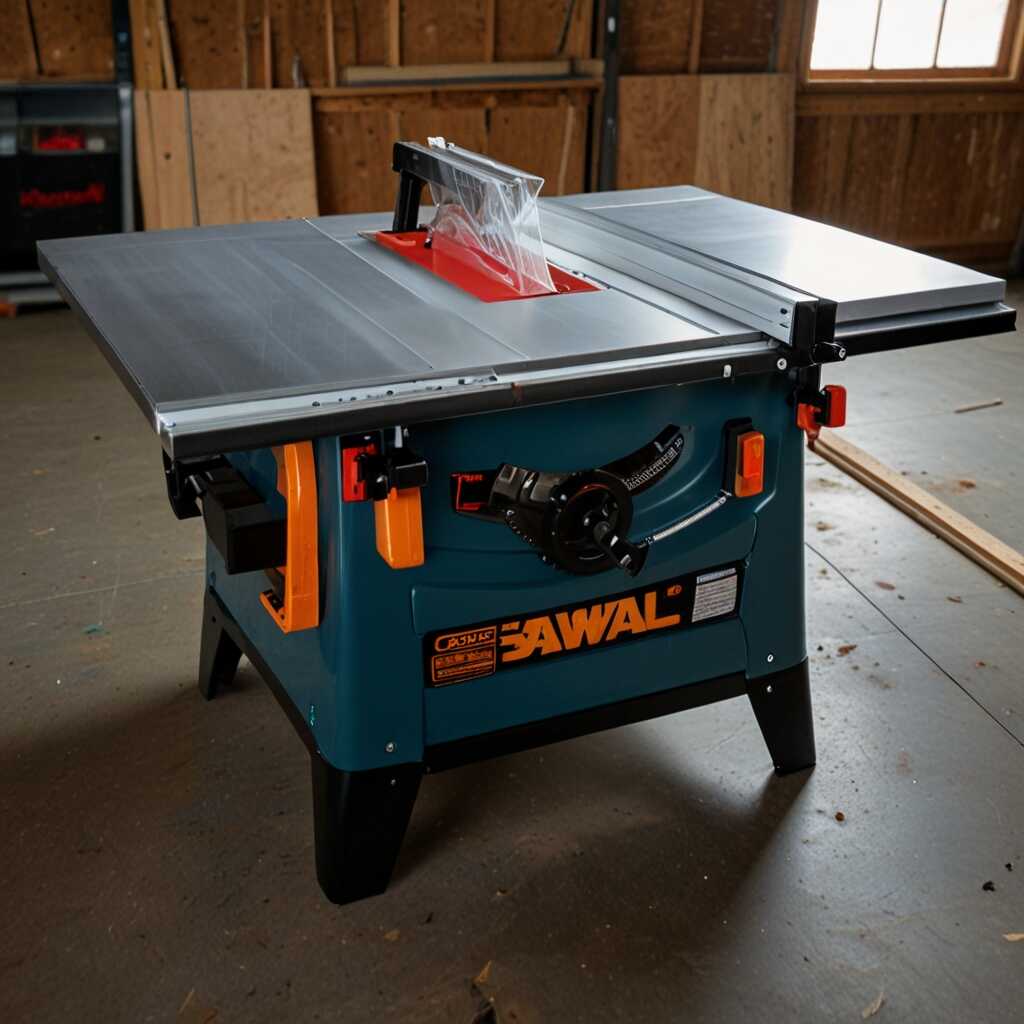
Navigating Work with Electric Saws in High Humidity
High humidity affects the operation of electric saws by increasing the risk of overheating and causing moisture buildup. This can lead to reduced performance and reliability. For users, high humidity can create discomfort, making it harder to focus and work efficiently. To counter these effects, it is essential to maintain proper airflow around the tool and take scheduled breaks to stay cool. Utilizing tools like moisture-wicking gloves can help enhance user comfort. Accessories such as blade coatings designed for humid conditions can improve the tool’s performance and longevity. It’s also crucial to monitor the humidity levels; ideally, electric saws should be used in environments with less than 70% humidity for optimal performance.
Best Practices for Efficient Use of Electric Saws in High Humidity
To achieve the best performance in high humidity, consider applying a rust-resistant lubricant on the saw’s components. This action helps guard against moisture-related damage. Additionally, choosing high-quality cutting blades that can handle humid conditions minimizes wear and enhances reliability. Keep the workspace well-ventilated, as this helps dissipate heat and humidity buildup. Regular maintenance is also essential; clean and dry your tools after each use to prevent corrosion. Focus on performance enhancement techniques, such as adjusting cutting speeds to reduce strain on the tool and ensure a smooth cutting experience. Innovative Saws provides valuable recommendations for selecting the right accessories tailored for high humidity, ensuring your work is effective and safe.

Managing Cutting Safety in Windy Conditions
Wind significantly affects the control and precision of electric saws during outdoor work. Higher wind speeds can cause saws to move unpredictably, increasing the risk of accidents. Operators must maintain a firm grip and stay alert. To support safe operation, consider working with saws designed for stability, such as those with anti-vibration features. Safety practices include choosing the right cutting location sheltered from strong gusts. Regularly check weather forecasts to avoid windy days exceeding 15 miles per hour, which can compromise safety and performance. Always ensure that your workspace is clear of debris that wind could blow around.
Essential Equipment Features for Windy Conditions
Selecting electric saws with essential performance features enhances safety in windy conditions. Saws equipped with extra weight and stability provide improved control. Anti-kickback features are crucial, they help prevent accidental movements that could lead to injuries. Additionally, consider saws with built-in safety guards or blade brakes. These designs enhance operational reliability in challenging conditions. For increased efficiency and comfort, choose saws with ergonomic handles that allow for better control. Regularly maintain your equipment to ensure optimal safety under variable weather conditions.
Advantages of Understanding Environmental Effects
- Adapting to weather conditions enhances personal safety during outdoor projects.
- Awareness of atmospheric factors improves effective use of electric saws.
- Proper weather adaptations extend the life of electric saws.
- Users achieve better cutting precision in optimal climates.
- Preparedness for weather changes increases productivity on job sites.
- Knowledge of weather effects helps prevent costly tool repairs and replacements.
- Advising teams on safety practices builds a culture of awareness and care.

Selecting Tools for Varied Weather Environments
Choosing the right electric saw for different weather conditions is crucial for safety and effectiveness. Look for weather-resistant electric saw features such as rust-proof materials and sealed electronics to prevent moisture damage. Reliable cutting performance in wet or humid conditions requires tools designed for such environments. Brands like Innovative Saws offer tools with advanced features for durability. When working in extreme heat, consider saws that can handle high temperatures without performance loss. Studies show that high-quality saws can typically operate for about four to six hours continuously before excessive heat affects their performance.
Selecting the Best Electric Saws for Rainy Conditions
Selecting electric saws for rainy conditions involves focusing on tools made from weather-resistant materials. Look for saws that include rubberized grips for better handling while wet. Rigid blades typically resist warping from moisture. Additionally, saws with reinforced casings provide added protection against water exposure. Lightweight models help enhance portability and ease during wet conditions. Brands like Innovative Saws offer electric saws that can operate effectively even in challenging weather scenarios. These saws undergo rigorous testing to ensure reliability, helping you achieve precise cuts as needed during outdoor projects.
Essential Maintenance for Electric Saws in Diverse Weather Conditions
Maintaining electric saws is crucial under various weather conditions. In rainy weather, thoroughly dry the saw after use to prevent rust. Inspect components and clean debris from vents to ensure performance. For extreme temperatures, check battery life in cold weather, as it may deplete faster. Temperature fluctuations can impact the motor’s efficiency, so perform operational checks regularly. Schedule maintenance every 30 days for heavy use, adjusting based on frequency and weather conditions to guarantee reliability and enhance performance.
Specific Maintenance Tips for Different Weather Conditions
When using electric saws in different climates, specific maintenance tips are essential. In humid or rainy conditions, ensure you regularly lubricate moving parts to prevent rust and corrosion. For cold environments, keep the battery warm and avoid prolonged outdoor usage, which could lead to performance issues. In hot weather, check for overheating by monitoring motor temperatures. Clean saw blades after each use, regardless of the weather. This routine helps maintain the effectiveness of cutting and extends the tool’s life, supporting the efficiency needed for outdoor projects.
Choosing the Right Tools Across Different Weather Scenarios
- Professional contractors value reliability for daily usage in varying conditions.
- Experienced woodworkers prefer tools that maintain precision in humidity.
- DIY enthusiasts often need durable saws for occasional outdoor projects.
- Outdoor project planners require equipment that withstands changing climates.
- Safety managers focus on tools that minimize risks in adverse weather.
- New products like weather-resistant saws improve performance in rain and snow.
- Environmental awareness encourages users to select eco-friendly options for outdoor work.
Expert Tips for Optimizing Outdoor Work with Electric Saws
Understanding weather conditions is crucial for maximizing safety and efficiency while using electric saws outdoors. It’s essential to check weather forecasts and prepare for varying temperatures. For instance, cold weather can hinder battery performance and lead to brittle materials. Humidity increases the risk of electrical components short-circuiting, so keep saws dry. Rain can compromise grip and visibility, making it vital to use slip-resistant footwear and clear protective gear. Good practices include regular performance testing of your equipment under these weather conditions to ensure reliability and effectiveness.
Understanding Weather Effects on Electric Saw Operations
Weather factors like temperature and humidity significantly impact electric saw operations. Electric saws may struggle with reliability in extreme cold, under 32°F (0°C), where battery performance diminishes. High humidity can cause condensation on electrical parts, possibly leading to short circuits or malfunctioning. During rainy weather, applying anti-slip mats in your work area helps maintain safety. Using saws designed with weather-resistant features can also enhance performance in varying conditions. Innovative Saws offers several models engineered to perform well in harsh conditions, ensuring safety and effectiveness in your outdoor projects.