Custom frame fabrication for racing drones using advanced cutting techniques offers enthusiasts unique ways to enhance their aerial performance. Racing drone builders can create frames tailored to their specific needs, optimizing speed and maneuverability. Innovative Saws supports these projects by providing specialized cutting tools essential for precise fabrication. With a diverse range of saws, they ensure that hobbyists can achieve the perfect cuts for their custom drone designs.
Essential Cutting Methods for Custom Drone Frames
Racing drone enthusiasts commonly use several cutting methods to fabricate custom frames. The most popular methods include laser cutting, CNC milling, and water jet cutting. Each method has unique advantages. Laser cutting offers precision and clean edges, ideal for intricate designs. CNC milling is versatile and can handle various materials. Water jet cutting is excellent for thick materials, ensuring no heat damage. Specialized tools like laser cutters, CNC machines, and water jet cutters enhance accuracy and efficiency, providing users with reliable results. Custom fabrication can significantly save money, often up to 30%-50% compared to buying pre-made frames.
Understanding Laser Cutting for Drone Frames
Laser cutting is a favored method among drone fabricators for its precision and speed. It utilizes a focused laser beam to cut materials like carbon fiber and aluminum sheets. This technique is especially useful for creating complex frame geometries. The quality of the cut is excellent, resulting in smooth edges that require little to no finishing work. Manufacturers recommend selecting high-quality laser cutting machines to enhance performance and reliability. The right machine can cut materials up to 6mm thick, making it suitable for various drone frame designs. Users can easily incorporate intricate patterns into their custom frames, enhancing their aesthetic appeal and functionality.
Materials Suitable for Racing Drone Frame Fabrication
This section explores materials used to fabricate racing drone frames. Common options include carbon fiber, plastic, and aluminum. Carbon fiber provides excellent strength-to-weight ratio, enhancing overall performance and durability. It is lightweight and rigid, making it ideal for high-speed racing. However, it can be expensive. Plastic materials are lightweight and cost-effective, but they may lack the durability needed for intense racing conditions. Aluminum frames offer good performance and are more affordable compared to carbon fiber, but they are heavier. Choosing the right material involves balancing cost, weight, and performance.
In-Depth Comparison of Carbon Fiber, Plastic, and Aluminum for Drone Frames
When comparing carbon fiber, plastic, and aluminum for racing drones, carbon fiber emerges as the most reliable choice due to its impressive strength and lightweight properties. Multiple layers of carbon fiber, typically two to five, significantly enhance frame strength and durability. Aluminum offers a sturdy frame but does not match carbon fiber in performance. Plastic is popular for budget builds, yet its tendency to fracture under stress makes it less suitable for serious racing enthusiasts. Evaluating these materials involves considering their performance, weight, and cost, ensuring you choose the best option for your racing needs.

Benefits of Custom Frames for Racing Drones
Custom frames for racing drones offer several performance enhancements. They significantly improve aerodynamics, which allows for faster speeds and better flight stability. Customization leads to weight reduction, making drones lighter and more responsive to controls. With better handling characteristics, racing drones become easier to maneuver, especially during competitive flights. Racing drone enthusiasts can optimize their frame designs according to specific racing needs and conditions. This creates a more enjoyable flying experience and enhances overall performance. The typical weight reduction for custom frames can reach around 15%-25%, allowing for agile movements and prolonged flight times. The key performance benefits of custom drone frames are evident in their ability to deliver faster speeds and increased efficiency during races.
Optimizing Frame Design for Aerodynamics and Weight
To enhance aerodynamics and reduce weight, racing drone enthusiasts should consider materials like carbon fiber and lightweight plastics. These materials provide strength while decreasing overall drone weight. Aerodynamic designs like tapered edges and streamlined shapes prevent drag during high-speed races. Strategic placement of components inside the frame can also lower the center of gravity, improving stability. Utilizing computer-aided design (CAD) software helps in creating precise models tailored for specific racing conditions. Testing and data collection after flight tests provide essential feedback. This ensures the frame design continuously improves and meets performance expectations for competitive racing.
Key Numbers in Drone Frame Construction
- Many racing drones weigh between 250g to 800g depending on frame size.
- Frames typically measure from 250mm to 700mm in diagonal size.
- Advanced cutting techniques can reduce frame weight by 10-30%.
- Custom frames can be built in under 5 hours with the right tools.
- Drone racing requirements often need frames to withstand at least 20 Gs of force.
- Cost of materials for custom frames ranges from $30 to $200.
- Using advanced cuts can increase frame durability by 15% or more.
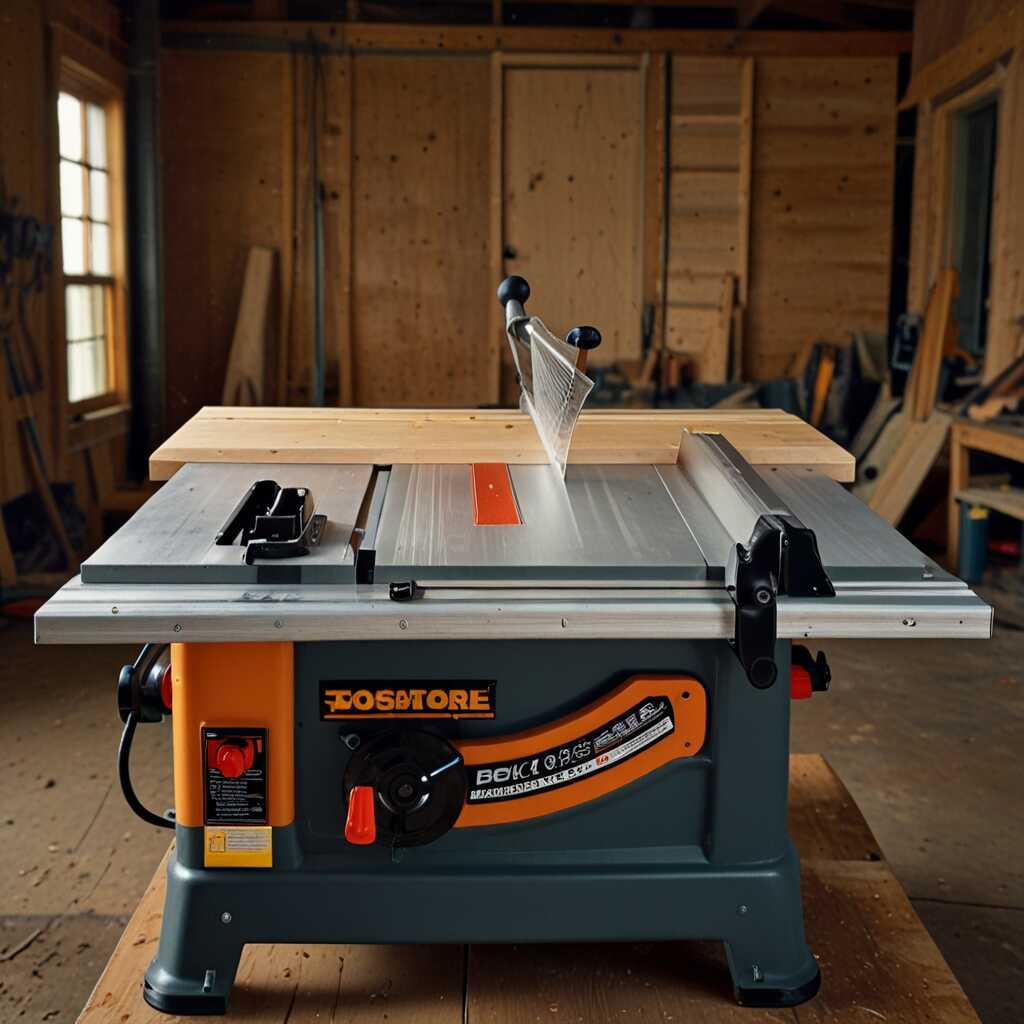
Essential Tools for Cutting Drone Frame Materials
Essential tools for cutting materials in custom drone fabrication include various saws and machines. Reliable saws, such as circular, band, and jig saws, provide different cutting capabilities. A circular saw can handle straight cuts in wood and composite materials, while a band saw offers precision for curved designs. For extremely intricate cuts, a jig saw is very effective. CNC machines can greatly enhance the accuracy and efficiency of the fabrication process. They provide automatic cutting options to create detailed designs quickly and reliably. Depending on your project, a combination of these tools ensures the best results in fabrication.
Choosing the Right Saw for Your Drone Frame
Choosing the right saw for your drone frame is crucial for achieving precise cuts. Circular saws are excellent for quick, straight cuts in larger sheets of material. Band saws allow for versatility with intricate patterns and curves. Jig saws excel at making detailed cuts around corners and edges. Consider the material type: wood, carbon fiber, or plastic. Each material may require specific blades for the best results. Many users find that having multiple saw options enhances their capability to create custom shapes without compromising durability and performance. Researching and reviewing each saw’s features helps in making informed decisions.

Improving Precision in Drone Frame Cutting
To enhance precision when cutting custom drone frames, focus on the type of blade used and tool settings. High-quality blades, such as carbide-tipped or specialty blades, provide clean cuts and reduce material splintering. Setting the right speed and feed rate on your saw optimizes efficiency. Using a slower speed for denser materials ensures better control and precision. Proper setup, including securing the workpiece and using jigs, guarantees stability during the cutting process. Innovative Saws offers reliable solutions designed to meet the specific demands of racing drone frame fabrication.
Choosing the Right Saw for Your Cutting Needs
Selecting the right saw is essential for achieving high precision in cutting drone frames. For thin materials, a jigsaw or scroll saw is ideal for detailed cuts. Band saws are preferred for thicker materials, providing better control for intricate designs. Circular saws deliver fast cuts through large sections but require careful handling for precision. Using saws that feature adjustable speeds enhances your ability to manage different types of materials effectively. Innovative Saws provides expert recommendations based on your specific project requirements, ensuring you select the best tools for reliable results in your custom fabrication endeavors.
Advantages of Tailored Frame Design
- Fabricated frames allow for unique design that meets personal racing style.
- Custom solutions improve flight performance by reducing weight.
- Personalized frames can fit specific electronic components perfectly.
- Racers can adjust frame stiffness to enhance agility during competitions.
- Building custom frames grants a sense of achievement for enthusiasts.
- Users can choose high-quality materials that increase longevity.
- Custom frames allow for greater creative expression among drone pilots.

Safety Practices When Using Cutting Tools
When fabricating custom frames for racing drones, safety precautions are essential. Always wear protective gear such as safety goggles, gloves, and dust masks to enhance cutting tool safety. These items help protect against debris and sharp edges during the cutting process. Set up your workspace to be clutter-free and well-lit. Ensure tools are in good condition and tested for reliability before use. Proper tool handling techniques are crucial. Always follow the manufacturer’s instructions to minimize accidents. Regularly inspect protective gear and replace it when necessary. Having multiple types of equipment, such as ear protection and cut-resistant gloves, can further ensure user safety during construction.
Understanding Protective Gear for Cutting Tool Safety
Protective gear is a vital component when working with cutting tools for drone frame fabrication. Essential items include safety goggles to shield your eyes from flying debris, earplugs to reduce noise from powerful saws, and gloves designed for grip and cut resistance. Each piece of gear is designed to provide comfort while enhancing safety. Consider equipment that includes respiratory masks if dust or fumes are produced. The reliable performance of protective gear can prevent injuries. It is critical to have a comprehensive safety plan which incorporates testing the effectiveness of each item in real-world scenarios. Ensuring all equipment meets industry standards enhances overall safety while constructing high-quality racing drone frames.
Assembling Custom Drone Frames After Cutting
Assembling custom drone frames involves various methods to ensure reliability and performance. Mechanical fasteners, such as screws and nuts, are highly effective. They provide strength and rigidity in frame structure. Industrial adhesives enhance bond strength, filling gaps between parts. Using both together offers superior durability. Consider using nylon screws for lightweight frames. Research has shown that optimal assembly enhances flight performance. For frame assembly, always test the joined components for strength and flexibility.
Comparing Adhesives and Fasteners for Drone Frames
When choosing between adhesives and mechanical fasteners, consider the requirements of your project. Industrial adhesives like epoxy offer excellent strength and durability. They bond quickly and can withstand vibrations during flight. Mechanical fasteners provide flexibility, allowing for easy disassembly. In lightweight drone constructs, use locking screws to prevent loosening. Each method has its advantages, so combining them delivers the best results. Refer to product reviews to determine which method suits your needs best.
Target Groups and Their Needs
- Professional racers require frames with precision and durability for competition.
- Hobbyists enjoy building drones for fun and personal satisfaction.
- DIY builders want affordable solutions that meet their specific criteria.
- Woodworking professionals can utilize advanced cutting techniques for drone design.
- Tech enthusiasts appreciate integrating high-tech components into custom frames.
- Schools and clubs can use custom fabrication projects to engage students in STEM.
- Weekend flyers prefer lightweight frames for casual flying experiences.
Addressing Common Questions About Custom Frame Fabrication
Essential materials needed for custom racing drone frames include carbon fiber, fiberglass, and aluminum. Each material offers unique benefits such as lightweight strength and durability. Different cutting techniques, such as laser, water jet, and CNC cutting, each offer unique advantages. Laser cutting provides precision and clean edges but may struggle with thicker materials. Water jet cutting is versatile and can handle a wider range of materials, while CNC cutting offers high efficiency and reliability for larger production volumes. The average cost for fabricating a custom racing drone frame using these methods ranges from $50 to $250, depending on the complexity, materials selected, and specific cutting services used.
Choosing the Best Cutting Technique for Your Custom Frame
When selecting the best cutting technique for custom racing drone frames, consider project needs and material properties. CNC cutting is excellent for high-volume production due to its speed and efficiency. It provides reliable results and is suitable for complex designs. Laser cutting is ideal for intricate patterns and lightweight materials, producing clean edges. Water jet cutting excels with thick or composite materials, ensuring no heat distortion. Each method has proven performance and eases fabrication. An informed choice enhances the quality and efficiency of your drone frame manufacturing process.