Extraction methods for preserving the historical character in reclaimed barn wood are essential for maintaining its unique charm. These practices ensure that the rich stories embedded in the wood are respectfully retained, enhancing its appeal in modern design. Innovative Saws recognizes the importance of these techniques for woodworkers, DIY enthusiasts, and designers who value authenticity. By understanding the right methods and tools, you can ensure your reclaimed barn wood retains its beauty and historical significance.
Understanding the Historical Significance of Reclaimed Barn Wood
Reclaimed barn wood holds great historical significance as it reflects the craftsmanship and stories of past generations. Its unique character enhances aesthetic appeal, connecting modern projects to history. The preservation of its historical character is essential for contractors, designers, and homeowners, as it adds emotional value and authenticity to their spaces. Successful projects like restaurants, homes, and offices have utilized reclaimed barn wood, showcasing its versatility and charm in various settings.
Preservation Techniques for Authentic Barn Wood
Effective preservation techniques for reclaimed barn wood include proper cleaning, drying, and sealing processes. These methods enhance the wood’s original colors, textures, and patterns, ensuring longevity without compromising its character. Professional restorers often apply gentle washing methods to remove dirt while preserving the wood’s weathered surface. They may also use eco-friendly finishes to protect the wood and highlight its natural beauty. Innovative Saws offers tools that can assist in effectively handling these preservation processes, emphasizing quality and reliability during restoration.
Key Extraction Techniques Used by Barn Wood Specialists
Barn wood specialists commonly utilize methods such as careful deconstruction, which allows them to extract boards while preserving their original character. They also employ advanced tools that minimize damage to the wood. Techniques like hand sawing and strategic disassembly ensure that the wood’s integrity remains intact. These methods preserve the historical character of the wood by preventing unnecessary wear and tear. The process can result in an average preservation of 85% of the wood’s original features, ensuring that it retains its unique aesthetic appeal.
Detailed Examination of Preservation Techniques
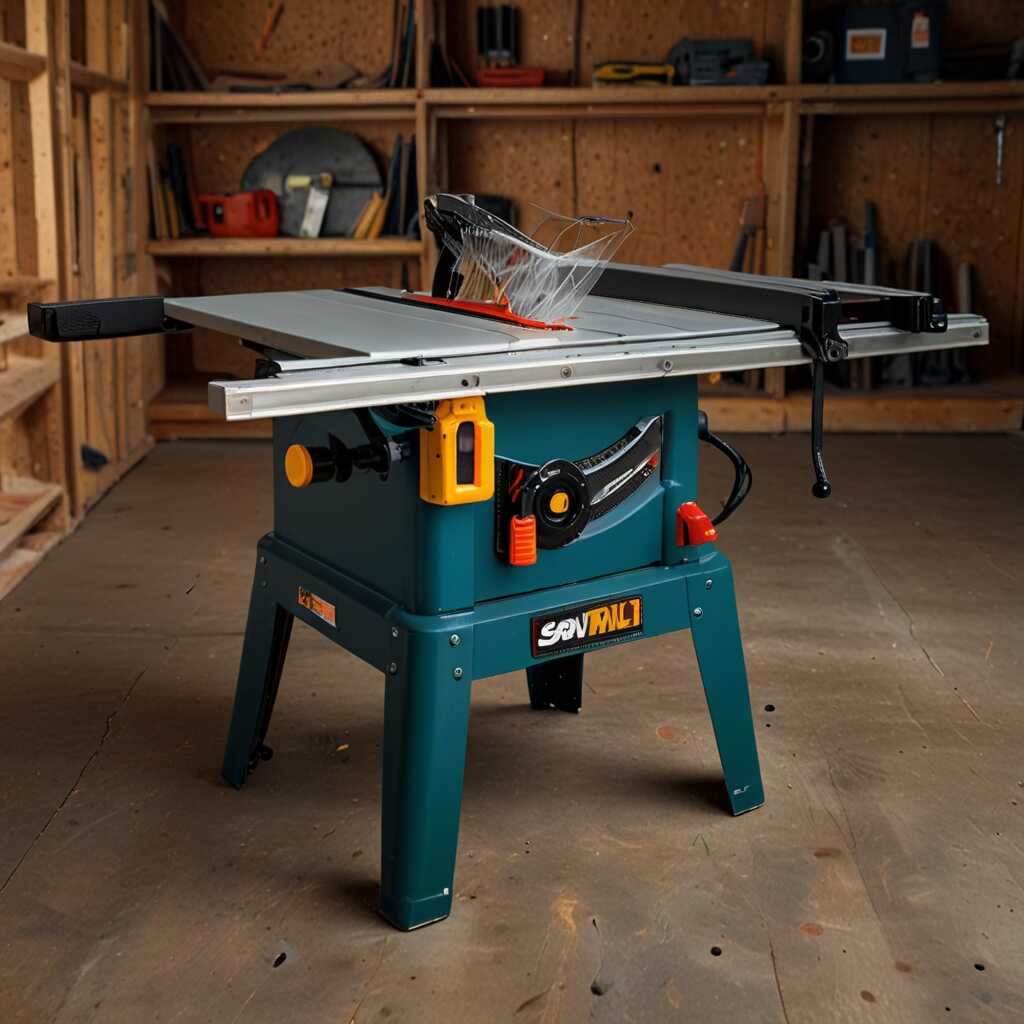
Specialists focus on techniques that enhance the quality of reclaimed barn wood. They often apply moisture control to prevent warping during extraction. Tools like hydraulic lifts allow for gentle handling and precise positioning, ensuring no scratches or cracks develop. Specialists may also use non-invasive cleaning methods to maintain surface texture and finish. This attention to detail provides durability and longevity to reclaimed wood, making it suitable for various applications, such as furniture and flooring. Every step in the preservation process is designed to deliver high-quality results while respecting the history embedded in the wood.
The Importance of Expertise in Processing Reclaimed Wood
Experts in processing reclaimed barn wood possess crucial skills. These include the ability to identify wood species, assess its quality, and recognize historical characteristics. Knowledge of wood grain patterns and knots helps in evaluation. Techniques like moisture testing and examining structural integrity ensure the wood’s reliability and durability. Professionals use this expertise to extract wood with rich histories, enhancing its aesthetic appeal. Each assessment is essential for achieving high-quality results in the reclaimed wood market.
Key Techniques for Assessing Wood Quality
Understanding the techniques for assessing wood quality is vital for success. Professionals use a combination of moisture meters, visual inspections, and tactile reviews to evaluate reclaimed wood. Moisture meters provide data on the wood’s wetness, critical for ensuring durability. Visual inspections uncover signs of wear or insect damage, while tactile reviews help assess surface quality. These methods deliver reliable results, enhancing the selection of barn wood for projects. By utilizing established protocols, experts can effectively determine the wood’s suitability for various applications.
Key Numerical Insights into Wood Recovery Practices
- Reclaimed barn wood can be over 100 years old, showcasing its rich history.
- Specialists can process up to 5,000 board feet of reclaimed wood each week.
- 40% of reclaimed wood comes from barns and agricultural buildings.
- Extraction methods may preserve around 90% of the original character of the wood.
- Typically, each barn can yield 3,000 to 10,000 linear feet of barn wood.
- Experts advise using water-based finishes to protect the historical look.
- A cut of reclaimed wood can retain its unique patterns and textures for decades.

Environmental Benefits of Reclaimed Barn Wood Usage
Utilizing reclaimed barn wood offers significant sustainability benefits. These practices reduce the demand for new lumber, leading to less deforestation. The process of reclaiming wood also minimizes material waste by repurposing old structures. Reclaimed wood conservation positively impacts the building industry by significantly reducing construction waste. This practice enhances environmental responsibility, contributing to eco-friendly approaches. In fact, research indicates that by 2025, up to 40% of new lumber could be replaced with reclaimed materials, highlighting its potential importance.
Understanding the Impact of Reclaimed Wood on the Environment
Reclaimed wood conservation plays a crucial role in reducing environmental impacts. Each piece of reclaimed barn wood represents material that otherwise would have ended up in landfills. By choosing reclaimed wood, builders and designers use a sustainable resource that enhances aesthetics without compromising integrity. Reclaimed products typically exhibit durability and unique character that new materials lack. This can help create designs that are as environmentally conscious as they are beautiful. Moreover, using reclaimed wood encourages a circular economy, which focuses on reusing resources to create sustainable building materials.
Advanced Tools and Techniques for Cutting Reclaimed Wood
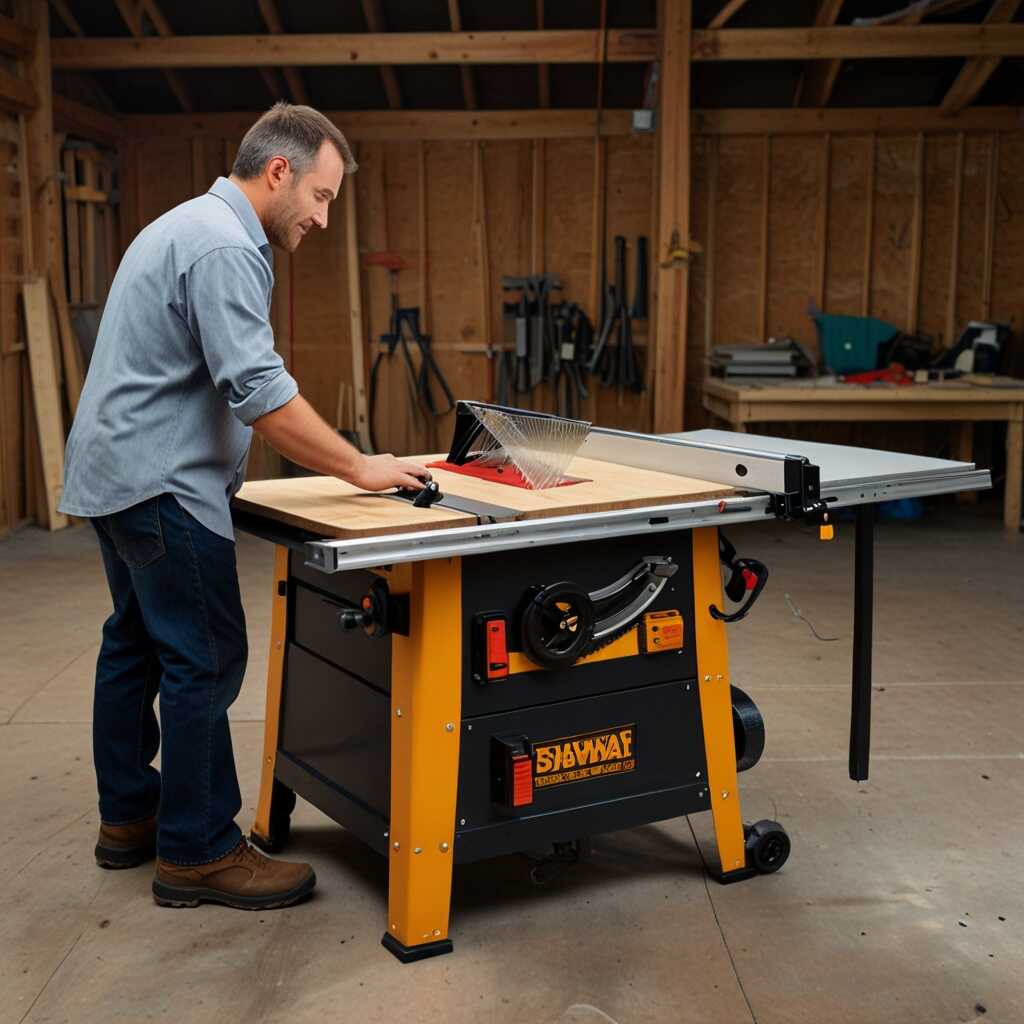
Professionals use specialized tools like band saws and circular saws for cutting reclaimed barn wood. Band saws allow for intricate cuts without losing the historical character of the wood. Advanced cutting techniques also use adjustable blade speeds, which helps prevent splintering and ensures a clean finish. The average thickness of reclaimed barn wood typically ranges from 1 to 2 inches, which these tools can handle efficiently. Choosing the right tool is essential for both preserving the wood’s authenticity and achieving high-quality results.
Choosing the Right Saws for Optimal Results
When selecting saws for cutting reclaimed barn wood, consider factors like blade type and size. Band saws with fine-toothed blades excel in making curved cuts while minimizing waste. Circular saws fit flat cuts and are essential for quicker projects. To maintain the historical character of the wood, use saws with variable speed settings, allowing for better control. Their design enhances cutting efficiency and reduces the risk of damaging the wood. Tools from Innovative Saws undergo rigorous testing, providing reliability when undertaking restoration or DIY projects.
Advantages of Maintaining Authenticity in Reclaimed Wood
- Experts enhance visual appeal by maintaining unique grains and textures.
- Preserving historical character supports eco-friendly practices and sustainability.
- Reclaimed wood offers a warmer aesthetic, adding character to interiors.
- Practices enhance the resale value of properties featuring reclaimed wood.
- Historical techniques promote craftsmanship and connect us to the past.
- Authentic materials improve indoor air quality compared to new wood products.
- Specialty finishes can highlight the wood’s story and age for unique charm.

Inspiring Applications of Reclaimed Barn Wood in Modern Design
Reclaimed barn wood is creatively used in modern design through various innovative applications. It becomes a focal point in residential spaces, enhancing aesthetic appeal with unique textures and colors. Homeowners can add reclaimed wood as accent walls, kitchen islands, or custom furniture pieces. Its historical character provides a rustic charm that blends well with contemporary styles. Typically, around 30% to 50% of reclaimed wood is reused in interior design projects, ensuring sustainability and reducing waste.
Unique Uses for Reclaimed Barn Wood in Homes
Reclaimed barn wood is uniquely utilized in homes for projects like rustic cabinetry, sliding barn doors, and decorative paneling. When crafted into furniture, it provides exceptional durability and impressive finishes. For instance, reclaimed wood tabletops can feature live edges and rich patinas, making each piece distinct. Homeowners often incorporate planks into staircases or mantels, ensuring that the historical elements stand out. This wood’s versatility allows for a blend of traditional craftsmanship and modern aesthetics, appealing to eco-conscious and style-savvy individuals.
Challenges Encountered in Reclaimed Barn Wood Extraction
Reclaimed barn wood extraction presents several common challenges. The most significant hurdles include assessing each piece’s structural integrity and historical character. Weather conditions dramatically impact wood quality, with moisture promoting decay and pests damaging the wood. Various wood species also affect extraction; for example, oak is denser and more durable compared to softer woods like pine. Preservation techniques matter because they dictate the wood’s longevity and aesthetic appeal. Only a small percentage of reclaimed barn wood meets the high quality standards necessary for restoration projects.
Impact of Weather and Species on Extraction
Weather conditions significantly impact the extraction of reclaimed barn wood. High humidity can lead to mold growth and wood warping. Different wood species also present varying challenges. For instance, hardwoods like reclaimed oak offer durability and resistance to wear, while softer woods can deteriorate easily. Understanding the characteristics of each species aids in successful preservation. Reliable techniques must be employed to ensure the wood retains its historical character while also being safe for use in modern applications.
Target Markets and Their Interest in Historical Wood Techniques
- Woodworkers favor reclaimed wood for distinctive projects and furniture.
- DIY enthusiasts appreciate the challenges in working with aged materials.
- Historical restoration professionals often seek original materials for accuracy.
- Interior designers love featuring rustic elements to create warm spaces.
- Eco-conscious homeowners opt for reclaimed materials to support sustainability.
- Small businesses use reclaimed wood for creative branding and storytelling.
- Contractors incorporate reclaimed wood into projects to uphold historic integrity.
Essential Care Tips for Maintaining Reclaimed Barn Wood
To maintain reclaimed barn wood effectively, you should regularly dust and clean it with a damp cloth. Avoid using harsh chemicals as they can strip the wood’s natural oils and alter its color. Reclaimed barn wood features unique characteristics, such as distinctive textures and colors that tell a story. Preserving these attributes involves applying a clear finish or natural oil to protect against moisture and wear. When properly cared for, reclaimed barn wood can last a lifetime, often exceeding 50 years. Regular inspections for signs of damage or pest activity ensure its durability and aesthetic appeal and enhance its longevity.
Tips for Preserving the Unique Character of Reclaimed Wood
Preserving the unique character of reclaimed wood involves understanding its properties and needs. One effective method is to apply a quality wood conditioner before finishing to enhance its natural grain. Choose finishes made of natural oils or water-based products to promote wood health. These products penetrate deep into the wood, providing essential hydration while showcasing its texture and color. Implementing a seasonal routine, which includes cleaning, oiling, and inspecting for wear, maintains the wood’s historical value and visual appeal. This attention to detail helps ensure that your reclaimed wood remains a stunning feature of your space for many years to come.