Effective dismantling techniques for recycled pallet wood projects are essential for any woodworking enthusiast. Mastering these methods ensures that you can efficiently extract high-quality materials without damaging them. Understanding the right tools and approaches not only maximizes material use but also enhances the sustainability of your projects. At Innovative Saws, we prioritize practical solutions that empower woodworkers to create beautiful items while promoting eco-friendly practices.
Environmental and Economic Benefits of Recycled Pallet Wood
Using recycled pallet wood offers significant environmental benefits. It reduces deforestation by minimizing the need for new lumber. Repurposing wood keeps it out of landfills, where it would contribute to waste. It helps lower carbon emissions associated with logging and manufacturing processes. The cost-effective nature of recycled pallet wood makes it an appealing option for DIY enthusiasts and professional woodworkers alike. Depending on market conditions, recycled pallets can be significantly cheaper than new materials. Studies show repurposing pallets can reduce material waste by as much as 50%, which is crucial for promoting eco-friendly practices.
Maximizing Value in Recycled Wood Projects
Maximizing value from recycled pallet wood involves selecting quality materials and employing efficient techniques. Inspect pallets for durability and potential damage. Ensure nails and staple removals are carefully executed to preserve the wood’s integrity. Use tools, like those offered by Innovative Saws, specifically designed for cutting pallet wood accurately and efficiently. This helps achieve precise dimensions, enhancing the final project quality. Proper preparation of the pallet wood can enhance its visual appeal and functionality in furniture or decor projects. Working with recycled materials allows crafters to create unique pieces while contributing to environmental sustainability and cost-effective woodworking.
Must-Have Tools for Efficient Pallet Dismantling
To safely dismantle pallets for woodworking projects, you need specific tools designed for efficiency. Essential tools include a pry bar, which helps separate the boards from the base; a circular saw for cutting through the wood; and a hammer to assist with removal. A reciprocating saw is also very useful for tight spots, allowing detailed cuts without damaging the surrounding wood. Additionally, high-quality safety equipment is vital to protect against injury while using these tools. Investing in reliable cutting tools enhances efficiency and provides better results during your long-term woodworking projects.
Choosing the Right Saw for Pallet Dismantling
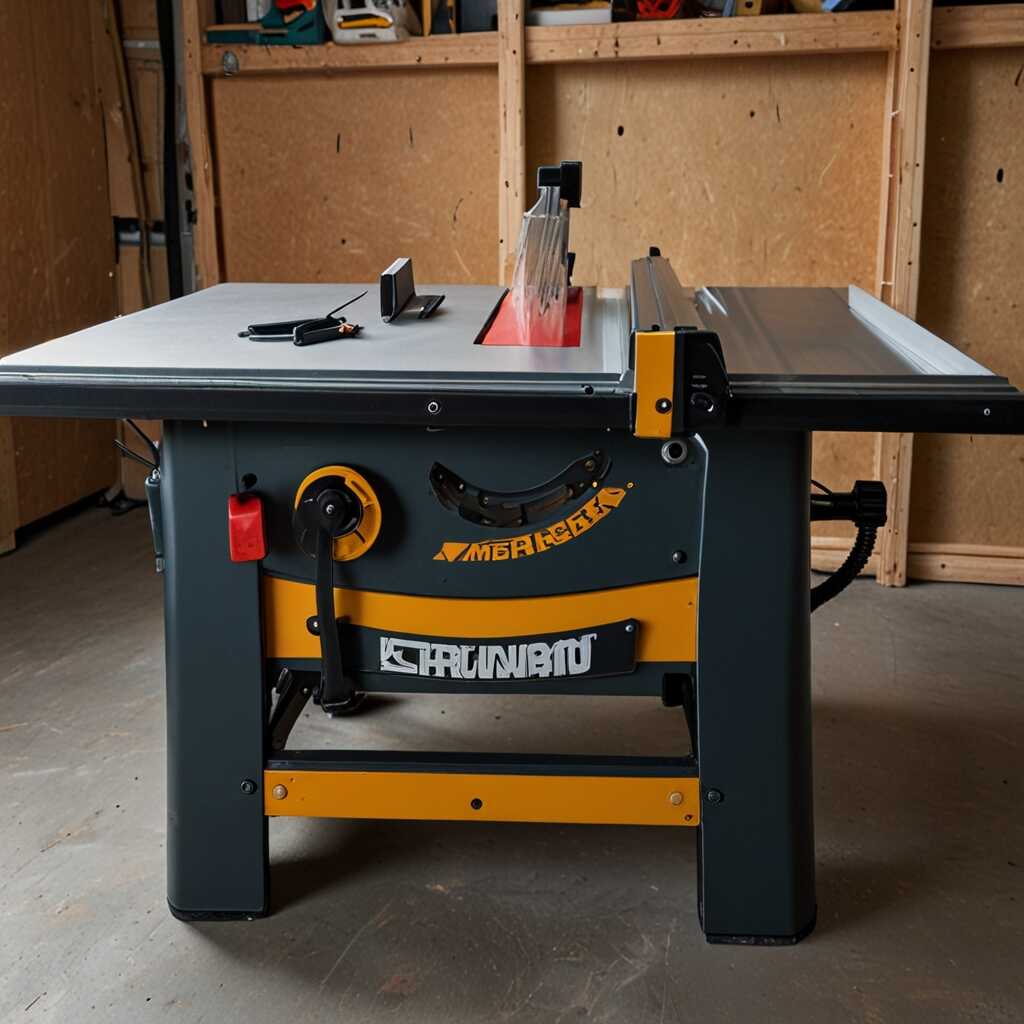
When selecting a saw for pallet dismantling, consider a circular saw or a reciprocating saw. A circular saw is excellent for ripping through larger pallet boards quickly, providing powerful performance. It can handle various wood types, making it flexible for different project needs. On the other hand, a reciprocating saw is perfect for making intricate cuts and accessing hard-to-reach areas. Its design and features improve maneuverability during the disassembly process. Both saws are part of Innovative Saws’ range, offering tested reliability and performance, ensuring you have the best tools for your woodworking endeavors.
Essential Safety Precautions When Handling Pallets
Protective gear is essential when dismantling recycled pallets. This includes safety goggles to protect your eyes, gloves to shield your hands from splinters and sharp edges, and a dust mask to prevent inhalation of wood dust. Using footwear with steel toes can enhance your foot protection while using heavy tools. When working with saws and hammers, secure the pallet to prevent movement. Always inspect tools for reliability and ensure they are in good condition before use. Establish a clear workspace to avoid tripping hazards and keep essential safety precautions in mind.
Best Practices for Woodworking Safety
Implementing safe handling techniques while working with recycled pallets is crucial for injury prevention. Always use tools for their designed purpose and follow the manufacturer’s instructions. Maintain a clean work environment to enhance efficiency and reduce accidents. Incorporate regular breaks to prevent fatigue, which can impair your focus. It’s essential to stay informed about proper techniques through available resources, such as safety reviews and expert advice. Engaging in these practices ensures a secure setting for woodworking projects while maximizing the durability of your recycled materials.
Key Numeric Data on Pallet Wood Usage
- Approximately 48 million wooden pallets are produced annually in the U.S.
- More than 90% of pallets are recycled or reused in some way.
- A standard pallet weighs between 30 to 48 pounds.
- They typically measure 48 inches long and 40 inches wide.
- Over 1.5 billion pallets circulate throughout the U.S. supply chain.
- A single pallet can yield about 30 board feet of usable wood.
- Up to 80% of recycled wood can be repurposed for new projects.

Proven Methods for Dismantling Recycled Pallets Safely
To dismantle recycled pallets effectively, use a combination of tools such as pry bars and saws. A pry bar is essential for lifting the boards without breaking them. A reciprocating saw or a circular saw can help to cut down any stubborn pieces. When it comes to nails, use a hammer to gently tap them out or use specialized nail pullers for safety. Each method provides reliable results and enhances the efficiency of the project. Beginners and experienced woodworkers alike can successfully learn these techniques by understanding the design of the pallet and selecting the right tools.
Important Safety Precautions When Dismantling Pallets
Safety is crucial when dismantling pallets to avoid injuries. Always wear protective gloves to prevent splinters and cuts. Eye protection ensures debris does not harm your vision. If using power tools like reciprocating saws, ensure you follow the manufacturer’s instructions for safety. Additionally, securing the pallet on a stable surface enhances safety during the dismantling process. Using these safety precautions helps ensure a smooth and injury-free dismantling experience.

Inspiring Project Ideas with Recycled Pallet Wood
Recycled pallet wood offers endless possibilities for creative woodworking projects. You can transform it into garden furniture, such as chairs and tables, or crafting unique home decor items like shelves, picture frames, and planters. You can also create storage solutions like wooden crates or boxes. Each project can enhance your space while making use of sustainable materials. The versatility of recycled pallet wood ensures that you can easily find something that fits your style and needs.
Top Creative Uses for Pallet Wood in Your Home
Pallet wood can be used for various unique projects in your home. You can build stylish and functional garden furniture like a pallet bench or a table that complements your outdoor space. For indoor use, consider constructing wall art or shelving units that showcase your decor. Storage solutions, like drawer units or boxes, can keep your area organized. Each idea emphasizes the durability and reliability of pallet wood, ensuring your creations not only look good but also serve practical purposes.
Advantages of Dismantling Techniques for Wood Projects
- You can save costs by repurposing materials instead of buying new wood.
- This process helps you maximize the value of the reclaimed wood.
- You contribute to environmental sustainability by reducing waste.
- Your projects become unique as you work with individual pallet pieces.
- Dismantling encourages creativity by allowing new designs.
- Using recycled wood improves the durability of your projects.
- You gain valuable skills in woodworking techniques during dismantling.

Best Practices for Maintaining Woodworking Tools
To enhance the performance of your woodworking tools, prioritize regular cleaning to remove dust and debris. Use a damp cloth and gentle soap to wipe surfaces. For stubborn residue, employ specialized cleaning solutions designed for tools. Lubrication is essential for smooth operation. Choose high-quality lubricants based on tool material and intended use. For cutting tools, lubricants that reduce friction are ideal. Store tools in a dry, dust-free environment to prevent rust and degradation. Follow a consistent cleaning and lubrication schedule, ideally after every project or weekly for regular use, to maintain reliability and efficiency.
Effective Lubrication Techniques for Woodworking Tools
Effective lubrication techniques involve using specific products designed for different tools. For circular saws and forks, use a light machine oil to ensure smooth movement and reduce wear. Lubricate sliding parts and bearings regularly with a lubricant that prevents rust. For stationary tools, ensure that you apply grease to threaded components to prevent sticking. Apply lubricants under the tool’s conditions, ensuring optimal performance and longevity. Review the manufacturer’s recommendations for your specific tools to select the best lubricants. Consistent application enhances the efficiency and reliability of your tools, enabling them to perform better over time.
Troubleshooting Common Dismantling Challenges
Dismantling recycled pallets can present several challenges. Common issues include stubborn nails that refuse to come out, wood that splinters easily, and difficulty identifying sturdy boards. Troubleshooting these problems requires the right tools and methods. For nail removal, investing in high-quality nail pullers and pry bars can help. If wood splintering occurs, using a fine-toothed saw and cutting along the grain can prevent damage. These efficient dismantling methods enhance your success with recycled pallet wood, ensuring you maximize material use in your projects.
Effective Nail Removal Techniques for Dismantling
Using proper nail removal tools is essential for effective dismantling. A sturdy claw hammer or a specialized nail puller can help extract nails without damaging surrounding wood. For particularly stubborn nails, you can cut around them using a reciprocating saw, which minimizes wood splintering. Always test nail removal techniques on less valuable pallets first to assess performance. Additionally, tools from Innovative Saws provide durability and reliability for these tasks, enhancing your overall dismantling experience.
Demographics Interested in Pallet Wood Projects
- Eco-conscious crafters appreciate recycling materials and creating art.
- Weekend DIY enthusiasts seek low-cost projects for home improvement.
- Professional woodworkers value the quality of reclaimed materials.
- Construction professionals often need efficient dismantling methods.
- School groups love pallet projects for educational and creative activities.
- Gardeners use recycled pallets for making vertical gardens and planters.
- Families engage in crafting with pallets for fun weekend projects.
Promoting Your Woodworking Creations and Skills
Sharing your recycled pallet wood projects on social media can significantly enhance your visibility. Focus on platforms like Instagram and Pinterest, where visual content thrives. Use quality photos that showcase your craftsmanship. Engage with followers by sharing the story behind each piece, highlighting your design process, and providing useful tips. Participate in woodworking forums and groups to reach enthusiasts interested in recycled wood projects. Research suggests posting during peak hours, typically between 9 a.m. and 12 p.m. on weekdays, can improve your engagement rates, ensuring your work reaches a wider audience.
Engaging with the Woodworking Community for Enhanced Visibility
Joining local and online woodworking communities provides invaluable support and exposure for your projects. Engage in forums, attend craft fairs, and participate in workshops to showcase your skills. Utilize platforms like Facebook Groups and Reddit to share your finished pallet wood projects and gain feedback. Sharing tutorials or tips on these platforms enhances your reputation as a knowledgeable woodworker. You can collaborate with other DIY enthusiasts for joint projects, improving your network and attracting a wider audience. This communal interaction builds trust and helps you get constructive reviews, further elevating your craftsmanship.