Building wooden turbine blades with cutting tools can be an enjoyable and rewarding project. With the right techniques and high-quality tools, you can create durable blades that are both efficient and eco-friendly. Innovative Saws specializes in various cutting solutions to help you master this process, whether you’re a budding DIYer or a professional woodworker. In this article, you’ll discover practical methods for constructing wooden turbine blades and tips to choose the best cutting tools for your needs.
Essential Cutting Techniques for Wooden Blade Creation
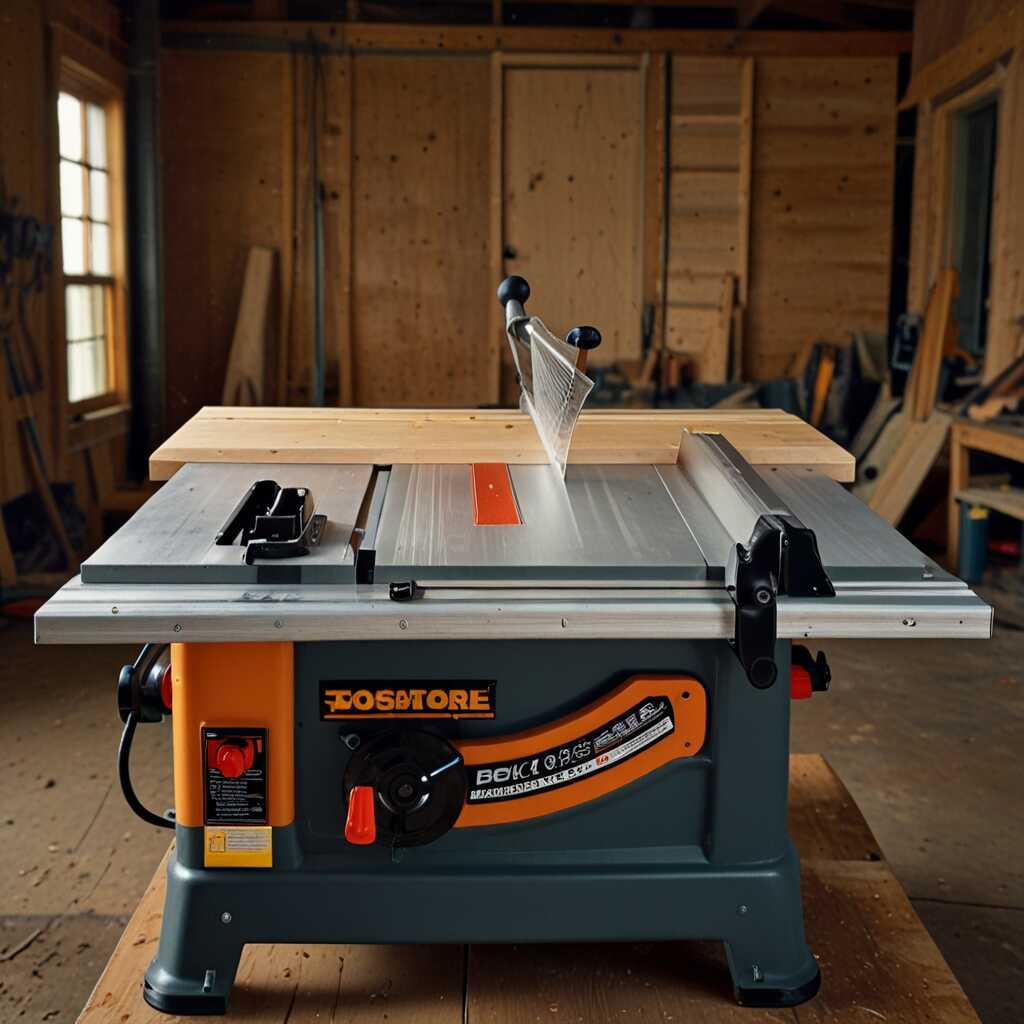
Building wooden turbine blades requires the right cutting techniques. Start with a handsaw for basic shapes. Use a band saw for intricate cuts and curves. A table saw is excellent for making precise, straight cuts, ensuring a clean edge. Each saw provides unique benefits. Handsaws are affordable and suitable for beginners. Band saws can handle thicker materials effectively. Table saws maximize efficiency for larger projects. For best results, consider the material’s thickness. A thickness of at least 3/4 inch is ideal for turbine blades to provide necessary durability.
Understanding Saw Types for Woodworking Projects
Each saw type has features designed for specific woodworking tasks. Circular saws excel in making rapid cuts in large sheets of wood. Miter saws are perfect for precise angle cuts, enhancing your blade’s aerodynamic design. Scroll saws are ideal for detailed shapes, allowing for intricate designs on turbine blades. Chainsaws can quickly remove large amounts of material but lack precision. It is crucial to choose the right saw depending on your project’s scale and shape requirements. Innovative Saws provides the best tools for your needs, ensuring high-quality outcomes in every project.
Selecting the Best Tools for Wood Turbine Projects
Building wooden turbine blades requires a selection of reliable tools. Essential tools include a band saw for making curved cuts and a table saw for straight, precise cuts. Saws like jig saws are useful for intricate designs, while circular saws ensure fast cutting through larger sheets. Each saw offers unique features, helping users achieve different results. Reliable cutting tools enhance the efficiency of the cutting process. A good selection ensures effective blade construction. Cutting techniques such as angle cutting improve the overall design while ensuring blade symmetry. Always choose tools that can handle the specific requirements of your project to achieve great results.
Recommended Saws for Building Wooden Turbine Blades
When selecting saws for wooden turbine blade construction, focus on features that enhance performance and ease of use. A band saw is great for creating smooth curves and varying blade thicknesses. The table saw is excellent for making precise straight cuts, enabling accurate assembly of blade components. Jig saws are perfect for intricate cuts, allowing more control for detailed shapes. Each saw should be chosen based on the project’s complexity and blade dimensions. Innovative Saws offers a variety of options ensuring the right tool fits your specific needs. High-quality blades increase durability and cutting precision, enhancing overall project success.

Woodworking Safety Guidelines and Precautions
Essential safety guidelines for woodworking include wearing personal protective equipment (PPE) such as goggles, gloves, and ear protection. Users should ensure tools are well-maintained and designed for their specific application to enhance reliability. Regularly checking blade sharpness and calibrating machines also improves performance and helps prevent accidents. Users must follow clear operating instructions for each tool, highlighting the importance of proper usage. A secure working environment is critical, so keeping the workspace clean and free of distractions is essential.
Recommended Personal Protective Equipment for Woodworking
Personal protective equipment (PPE) is vital for safe woodworking. Users should wear safety glasses to protect their eyes from flying debris. Earplugs or earmuffs are essential to guard against damaging noise from power tools. Heavy-duty gloves provide essential hand safety while allowing flexibility. Dust masks help prevent inhalation of harmful wood particles. Steel-toed boots protect feet from falling objects and provide stability when working on uneven surfaces. Each piece of equipment enhances safety and comfort, enabling users to focus on the quality of their work without distractions.
Key Facts and Figures for Woodcraft Construction
- Wood turbine blades vary from 5 to 20 feet in length.
- An average blade weighs around 10 to 35 pounds depending on design.
- Use at least 6 cutting tools for different blade shapes.
- Wood needs to be dried to a moisture content of 8-12% for durability.
- The optimal angle for blade pitch is often 45 degrees.
- Costs to build a wooden turbine blade typically range from $200 to $800.
- A well-constructed blade can last for 15 years or more with proper maintenance.
Detailed Steps for Constructing Wooden Turbine Blades
To construct wooden turbine blades, you need essential materials such as high-quality plywood or solid wood, wood glue, and screws. The type of wood significantly influences the performance of the turbine blades; hardwoods like maple or oak provide better durability and efficiency. The cutting techniques you use, along with precision tools like those offered by Innovative Saws, ensure smooth edges. For optimal cutting angles, aim for a pitch between 12 to 15 degrees, enhancing airflow and overall performance. These guidelines help elevate your woodworking project quality.
Choosing the Right Type of Wood for Turbine Blades
Selecting the right type of wood for your turbine blades is crucial. Hardwoods like birch, maple, and ash are known for their sturdiness and stability. Softwoods, while easier to cut, may not provide the best performance and durability. When choosing wood, consider not only the weight but also the grain structure. A tight grain can improve aerodynamics, while a more open grain may allow for more weight. Expert tips suggest testing various types to find the one that delivers the best results tailored to your specific project needs. This practice helps in leveraging the proven characteristics of different woods for maximum efficiency.

Avoiding Common Woodworking Errors and Setbacks
Beginners in woodworking often make common errors, such as not measuring accurately, using dull tools, and overlooking safety protocols. These mistakes can lead to subpar results and even injuries. Users can prevent setbacks by taking the time to plan their projects meticulously. Before starting, they should gather high-quality tools from Innovative Saws, as reliability and durability are essential for a successful outcome. Understanding woodworking techniques and following best practices can enhance project efficiency and improve overall quality.
Essential Measurement Techniques for Woodworking Precision
Accurate measurement is paramount in woodworking. Using tools like tape measures, squares, and calipers ensures your cuts are precise. It helps to double-check measurements before cutting, which can prevent errors. When constructing wooden turbine blades, even a minor miscalculation can lead to performance issues. Taking the time to measure twice and cut once significantly enhances the quality of your projects. Reliable tools from Innovative Saws can improve this process, ensuring you achieve clean, accurate cuts every time. This attention to detail directly impacts the effectiveness of your finished turbine blades.
Why Crafting with Timber Offers Advantages
- Wooden blades are often lighter than metal alternatives, improving efficiency.
- Crafting blades allows for customization tailored to specific projects.
- Using high-quality tools, like those from Innovative Saws, ensures precise cuts.
- Wood blades generally cause less noise during operation, benefiting the environment.
- Wood is a renewable resource, making it eco-friendly compared to metals.
- Building wooden blades can be a rewarding and educational DIY project.
- Properly designed wooden blades offer excellent aerodynamics for better performance.

Advantages of Choosing Wood for Turbine Construction
Wood is a sustainable building material for turbine blades, providing renewable energy projects with several key advantages. First, wood is highly sustainable as it is sourced from responsibly managed forests. This ensures a minimal environmental impact and enhances the overall sustainability of renewable energy solutions. Second, the proven performance of wooden turbine blades often matches or exceeds that of traditional materials like fiberglass and carbon fiber. Furthermore, studies reveal that wooden blades can be designed to deliver reliable performance due to their natural elasticity and durability. By 2025, approximately 40% of renewable energy projects are expected to incorporate wooden materials, showcasing a growing trend toward eco-friendly construction. The transition to wood not only helps reduce carbon footprints but also supports local economies through timber sourcing.
Performance and Reliability of Wooden Turbine Blades
Wooden turbine blades offer impressive performance and reliability compared to their counterparts. The natural fiber structure of wood provides excellent stiffness and flexibility, allowing blades to withstand wind forces effectively. Testing has shown that wooden blades can easily handle harsh weather conditions, enhancing their longevity and efficiency in the field. Innovative Saws emphasizes that properly crafted wooden blades can deliver results on par with fiberglass and carbon fiber options. By using high-quality cutting tools, woodworkers can create precise designs that maximize aerodynamic efficiency. This tailored approach makes wooden turbine blades not only a durable choice but also a great solution for optimizing renewable energy generation.
Proper Maintenance for Your Cutting Tools
To maintain cutting tools, regular care is essential. Cleaning removes debris and prevents rust. Use a soft brush and mild soap for saws. For chisels and drills, wipe with a damp cloth. After cleaning, ensure your tools dry completely. Lubricating moving parts helps maintain efficiency. Use appropriate lubricants like machine oil or grease. Storing tools properly is crucial. Keep them in a dry location, ideally in their original cases, to avoid damage. Good maintenance enhances tool reliability and extends their lifespan.
Essential Cleaning and Lubrication Techniques for Cutting Tools
For effective cleaning and lubrication, choose appropriate solvents for each tool type. A gentle brush works well on circular and band saws to remove sawdust. Oils are vital for metal-cutting saws and reciprocating saws. Apply a thin layer of oil to blades. This prevents rust and enhances performance. A schedule is crucial; maintain tools every few months or after extensive use. Regular attention ensures durability and enhances cutting efficiency. Following these expert maintenance tips from Innovative Saws can maximize your tools’ lifespan and performance.
Market Leaders and Their Unique Offerings
- Innovative Saws excels in providing specialized cutting tools for woodworkers.
- Brands like Dewalt focus on heavy-duty saws for demanding construction tasks.
- Ryobi offers affordable options for beginners, great for those just starting out.
- Makita provides precision tools, ideal for professional woodworkers seeking accuracy.
- Festool emphasizes ergonomic tools designed for comfort during extended use.
- Beginners benefit from less complex tools while professionals need high-performance options.
- Eco-friendly builders prioritize brands that offer sustainable materials and tools.
Showcasing Innovative Wooden Projects in Renewable Energy
This section highlights inspiring projects utilizing wooden turbine blades in renewable energy initiatives. For instance, community wind farms have successfully implemented wooden turbine designs to harness wind power sustainably. These projects showcase the efficiency and reliability of wooden components, enhancing energy generation while minimizing environmental impact. Additionally, prototypes using engineered wood have emerged, proving their durability and offering cost-effective solutions compared to traditional materials. The field is constantly evolving, with innovative designs gaining traction in eco-friendly initiatives.
Understanding the Benefits of Wooden Turbine Blades
Wooden turbine blades offer several advantages, particularly in renewable energy projects. Compared to metal blades, wooden blades are lighter, which can lead to improved performance and efficiency. They are also more sustainable due to the use of renewable materials that can be sourced locally. Wooden blades can often be easily fabricated with advanced cutting tool technology. This adaptability allows for innovative designs tailored to specific energy generation needs. The result is enhanced functionality and reduced production costs, making them an attractive alternative in the renewable energy sector.