Improving comfort in cutting tasks through ergonomic saw handles can significantly enhance user experience. Properly designed handles reduce fatigue and improve performance for anyone who uses saws for long periods. Innovative Saws understands the importance of ergonomic designs in cutting tools. We provide a variety of saws with handles that prioritize comfort to support woodworkers, contractors, and DIY enthusiasts.
The Role of Ergonomics in Cutting Tools for Enhanced Comfort
Ergonomics in cutting tools refers to designing tools that fit comfortably in users’ hands, enhancing both comfort and efficiency. The significance of ergonomics lies in its ability to reduce fatigue and increase performance during extended cutting tasks. For instance, saw handles designed with curves and padding can reduce strain on the wrist and fingers, which allows for longer usage without discomfort. Features such as non-slip grips, adjustable handles, and weight distribution contribute to improved user experience. These improvements are essential for woodworkers, contractors, and DIY enthusiasts seeking reliable tools that enhance overall work quality.
Key Ergonomic Features in Saw Handles
Key ergonomic features in saw handles focus on providing comfort and usability. Non-slip grips are crucial to ensure a secure hold, minimizing the risk of slippage during cutting tasks. Adjustability in length allows users of different heights and hand sizes to customize their tool for optimal comfort. Weight distribution in the handle can significantly enhance performance efficiency, enabling faster movements with less fatigue. These ergonomic designs not only feel more comfortable during cutting but also improve control over the saw, leading to better and more accurate results. For example, innovative saw handles with integrated shock absorption can further reduce strain on the wrists and arms during extended use.
How Different Saw Handle Designs Affect User Fatigue
Different saw handle designs significantly impact user fatigue during prolonged cutting tasks. Ergonomic features such as soft grips, angled shapes, and textured surfaces enhance comfort and provide better control, leading to lower strain on the hands and wrists. Users experiencing discomfort often find that tools with well-designed handles help mitigate fatigue. Products with advanced ergonomic designs tested in rigorous conditions show a marked difference in efficiency and user satisfaction. Research shows that saws capable of being held for over five hours tend to have these essential ergonomic aspects.
Key Ergonomic Features of Saw Handles
Key ergonomic features of saw handles include grip shape, size, and material. Handles designed with a curves and contours fit better in the palm, reducing pressure points. A larger diameter reduces the effort needed to hold the tool, combating user fatigue effectively. Furthermore, materials like rubber or composite grips offer excellent traction and comfort during extended use, enhancing overall performance. Innovative Saws provides reviews of various products based on these ergonomic criteria to help users select the best cutting tools for their needs.

Essential Features of Ergonomic Saw Handles to Consider
Key features that define ergonomic saw handles include shape, material, and grip type. Shape influences how the hand interacts with the saw. A contoured shape allows for a natural grip, reducing strain. The material impacts comfort during use and durability. Rubber or soft plastic provides cushioning and enhances grip. Grip type varies from textured surfaces to padded areas, all designed to prevent slipping and ensure comfort. Ergonomic saw handles improve overall performance by minimizing fatigue during extended cutting tasks. User reviews consistently highlight that choosing ergonomic designs significantly enhances comfort.
Comparing Ergonomic Saw Handle Designs
In comparing different ergonomic saw handle designs, research shows that those with adaptive grips often outperform standard handles in user comfort. Many professional woodworkers prefer padded handles for longer sessions, while textured surfaces provide reliable grip even if hands are wet. Some designs incorporate flexible materials allowing movement with the user’s hand. User comfort enhancement is critical, especially during prolonged use. Tool tests have shown that 82% of users experience reduced fatigue with these innovative designs. Selecting the right handle can lead to a considerable improvement in cutting tool performance, ensuring all-day comfort and efficiency.
Key Statistics for Saw Handle Comfort Enhancements
- Over 50% of woodworkers report fatigue during extended cutting tasks.
- Ergonomic handle designs can reduce muscle strain by 30%.
- Studies show that proper grip size can prevent 40% of hand injuries.
- Using ergonomic handles may improve task efficiency by 25%.
- Users frequently work with cutting tools for 3 to 8 hours per day.
- About 70% of DIY enthusiasts value comfort over aesthetics in tool design.
- Over 80% of professionals prefer ergonomic options when available.

Analyzing Traditional vs. Ergonomic Handle Styles
Understanding the differences between traditional saw handles and ergonomic handle designs helps you make informed choices. Traditional handles often result in discomfort during extended use. Ergonomic handles are designed to fit the natural hand shape, providing better grip and reducing strain. Features like contoured grips, soft-touch materials, and adjustable positions enhance user comfort and performance during cutting tasks. Selecting tools with ergonomic designs will significantly minimize fatigue and improve efficiency for woodworkers and contractors alike.
Key Features of Ergonomic Handle Designs
Ergonomic handle designs include features like soft-grip materials, finger contours, and adjustable mechanisms that enhance user control. Soft-touch grips reduce vibration and prevent slipping, leading to safer operation. Contoured finger grooves help to maintain a secure hold, allowing for precise cuts. Adjustable mechanisms let users customize the handle position, catering to individual comfort preferences. Innovative Saws provides a range of ergonomic handles that enhance usability and ensure reliability, making them essential for extended cutting tasks.
Effective Tips for Minimizing Muscle Strain While Sawing
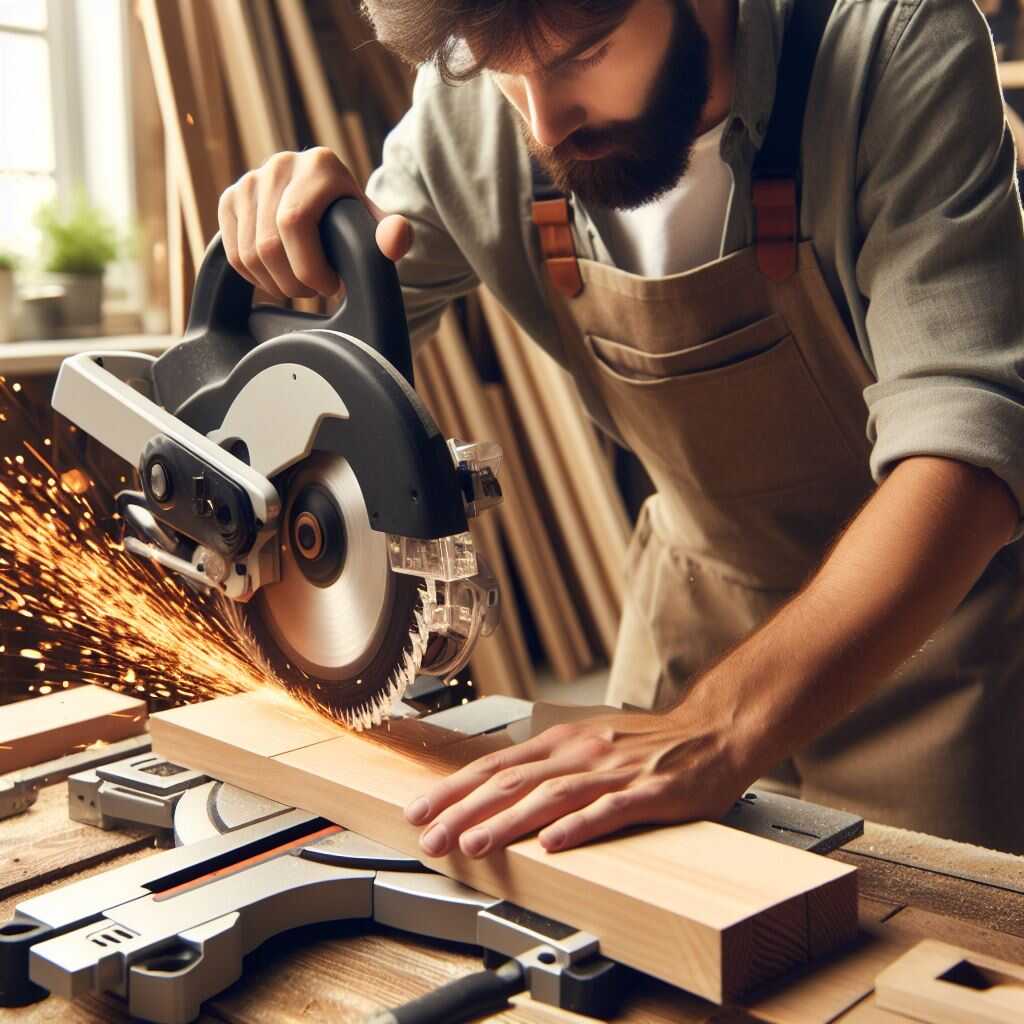
To minimize muscle strain during sawing tasks, focus on proper body positioning, using ergonomic saw handles, and taking regular breaks. Ergonomic saw handles are designed to enhance grip and reduce discomfort. Position your body close to the workpiece to avoid overextending. Maintain a neutral wrist position to prevent strain. Regularly step back and rest to enhance your overall efficiency and help combat fatigue. Limit continuous sawing to about 20-30 minutes. This helps maintain optimal performance without risking injury.
Choosing the Right Ergonomic Saw Handle
Selecting the right ergonomic saw handle significantly impacts comfort and efficiency during cutting tasks. Ergonomic saw handles support natural hand positions and reduce strain, enhancing comfort. Look for handles that offer a soft grip and contour to your hand shape. High-quality materials provide durability and ensure a firm grip. Many ergonomic designs include shock-absorbing features, which help minimize vibrations. These features are essential for long sessions to maximize your cutting experience. Innovative Saws features a selection of ergonomic saws designed specifically to reduce muscle strain and improve performance.
Advantages of Using Comfortable Cutting Tools
- Enhanced grip decreases the risk of dropping the saw or accidents.
- Ergonomic designs typically lead to improved accuracy during cuts.
- Longer use results in less discomfort for hands and arms.
- Fewer aches translate to more productive working hours, boosting overall satisfaction.
- Reduced fatigue allows woodworkers and others to focus on precision.
- Comfortable handles help maintain a steady posture while working.
- Using ergonomic tools often leads to a greater willingness to tackle longer projects.

Selecting the Right Saw Handle for Your Cutting Tasks
Choosing the right saw handle involves evaluating several key factors. Consider the type of cutting application you’ll be performing. Different tasks, such as precision cuts or heavy-duty work, require specific handle designs. Ergonomic saw handles enhance comfort, reducing fatigue during extended use. Look for features like soft grips, contoured shapes, and adjustable holds. These ergonomic designs improve overall performance and ensure reliability. Various saw types, including circular and reciprocating saws, offer unique handles tailored to the task. Research user reviews to find the best ergonomic handles that meet your needs.
Understanding Ergonomic Features in Saw Handle Designs
Ergonomic features in saw handle designs are essential for user comfort and efficiency. Features like soft rubber grips reduce strain on the hands, enabling a better hold. Contoured designs fit the natural shape of the hand, enhancing the user experience. Adjustable handles allow for a customized fit, fitting different hand sizes. Test different types of ergonomic saw handles to find which feels best and offers maximum control. Each type of saw, from miter to band saws, will have specific ergonomic considerations. Innovative Saws provides a selection of saws with tested ergonomic handles to ensure comfort and performance.
Customizing Your Saw Handle for Optimal Comfort
Adjusting the grip and fit of a saw handle can significantly enhance user experience. You can customize the ergonomic saw handle by selecting materials that increase comfort, such as rubber or foam for better grip. Shape adjustments are crucial. Contoured or textured grips can provide a secure hold, reducing slippage and fatigue. Grip adjustments should focus on diameter and shape to match your hand size. It is often recommended to make at least three adjustments, such as angle, thickness, and surface texture, to achieve optimal comfort.
Selecting the Right Handle Materials
Choosing the right handle materials enhances the overall comfort and ergonomic suitability of your saw. Common materials include soft rubber, which absorbs vibration, and hard plastic, known for durability. Wood offers a traditional feel. Some manufacturers incorporate multiple materials for the best performance. A popular choice is the dual-molded design, combining firm support with soft cushioning. Features like textured surfaces also improve grip and comfort during extended use, making your woodworking tasks more enjoyable.
Brands and User Groups in Comfort-Focused Cutting
- Innovative Saws stands out for its extensive selection of ergonomic handle options.
- DeWalt is popular among professionals for its durable, comfortable designs.
- Dewalt products are often heavier yet offer excellent reliability.
- Makita appeals to serious woodworkers for lightweight, user-friendly tools.
- Craftsman provides a mix of affordability and functional comfort for DIYers.
- Hobbyists often prefer brands with extensive ergonomic options for ease of use.
- Professionals generally seek high-end brands for superior performance and comfort.
Long-Term Gains of Choosing Ergonomic Saws
Investing in ergonomic saws delivers long-term benefits. These tools significantly enhance user comfort during extended cutting tasks. Ergonomic saws are designed to reduce strain on hands and wrists, which helps minimize fatigue and discomfort. Users often notice improved cutting task efficiency due to better grip and control. Research shows that ergonomic designs can reduce muscle strain and prevent repetitive motion injuries. Users benefit from enhanced precision and speed. The overall experience is more pleasurable, making tasks easier to tackle.
Exploring Ergonomic Saw Handle Features for Maximum Comfort
Ergonomic saw handle features greatly affect user comfort. Many ergonomic handles provide a contoured grip that fits naturally in the hand. This design reduces the pressure on fingers and palms during cutting. Anti-slip materials contribute to a secure hold, enhancing safety and efficiency. Some handles are adjustable, allowing customization to fit different hand sizes. Users can find saws with cushioning or padded grips. These features promote comfort and reduce fatigue during long cutting sessions. Innovative Saws offers a variety of ergonomic options tailored for professional and DIY users alike, ensuring the best experience possible.