Seasonal temperature changes significantly affect saw blade expansion rates, which can impact the precision of your cuts.
Understanding how heat and cold influence blade materials helps you maintain optimal cutting performance.
At Innovative Saws, we offer expert tips and techniques to manage these variations effectively.
By knowing how to adapt your cutting processes to seasonal shifts, you can ensure accuracy and longevity for your tools.
Understanding the Basics of Saw Blade Expansion
Temperature fluctuations significantly affect saw blade expansion rates. As temperatures rise, metal components of saw blades expand. Conversely, cooler temperatures cause contracting. Common materials used in saw blades include steel, carbide, and titanium. Each of these materials has unique thermal properties that influence how they respond to temperature changes. For instance, steel typically has a higher expansion rate than carbide. For precise cutting performance, it’s essential to consider these factors. The average expansion rate for saw blades is roughly 0.00001 inches per degree Fahrenheit. This data highlights the reliability of your saw blade in maintaining accuracy during shifts in temperature.
Exploring the Effects of Thermal Expansion on Cutting Accuracy
Understanding thermal expansion helps woodworkers optimize their cutting processes. When blades expand or contract, they can alter cutting angles and depths. This variation causes inaccuracies in project dimensions, impacting overall quality. To mitigate these issues, align saw blades properly before use. Regular maintenance, including testing for warping, helps maintain a straight cut. Woodworkers should consider temperature when selecting blade types and materials. This proactive approach enhances tool performance and provides better results in varying seasonal climates. Innovative Saws offers a range of blades specifically engineered to handle these challenges. Selecting the right blade can significantly improve cutting efficiency and durability.
Impacts of Temperature Changes on Cutting Precision
Temperature variations significantly influence saw blade performance and cutting accuracy. Extreme heat or cold can cause blades to expand or contract. These expansion rates can lead to misalignment between the blade and the workpiece, resulting in cuts that are inaccurate or inconsistent. Different saw blades respond differently to temperature changes. For example, high-speed steel blades often expand more noticeably than carbide-tipped blades, impacting their cutting precision. Maintaining optimal operating temperatures can enhance cutting performance and ensure blade reliability during any season.
Understanding Blade Material Reactions to Seasonal Changes
Certain blade materials respond uniquely to temperature fluctuations. High-speed steel saw blades typically have a greater expansion rate compared to carbide-tipped blades. This property affects not only their physical dimensions but also their operational efficiency. For instance, if a high-speed steel blade expands by 0.5 mm in high temperatures, this minor change can disrupt cutting accuracy. Understanding these differences allows woodworkers and contractors to select the right tools for varying seasonal temperatures, ensuring smooth cuts and optimal efficiency.

Materials of Saw Blades and Their Thermal Properties
Saw blades are made from a variety of materials, including high-speed steel, carbide, and carbon steel. These materials exhibit different thermal expansion rates. High-speed steel offers excellent durability but has a higher expansion rate compared to carbides. Carbide blades stay thermally stable, improving cutting precision over a range of temperatures. Carbon steel is more prone to warping under heat, which can negatively affect blade performance. Understanding these properties helps in selecting the right blade for various applications and ensures efficient cutting. Research shows that high-speed steel expands at approximately 6.5 microstrains per degree Fahrenheit, while carbide offers only about 4.5 microstrains under the same conditions.
Importance of Material Selection in Seasonal Changes
Selecting the right material for saw blades is crucial when considering seasonal temperature changes. For instance, blades made from thermally stable materials like carbide are recommended for environments with significant temperature fluctuations. They maintain their structural integrity, which enhances cutting precision and prolongs tool lifespan. Users should consider how the thermal expansion properties of each material can handle the specific temperature ranges they encounter. This knowledge is essential for optimizing blade performance and achieving reliable results in woodworking tasks.
Key Numerical Insights on Temperature Effects
- Temperature changes can expand and contract saw blades between 0.002 to 0.005 inches per degree Fahrenheit.
- Wood typically expands about 1% for every 20°F increase in temperature.
- High temperatures can accelerate blade wear by up to 15% annually.
- Seasonal variations can influence accuracy by reducing precision cutting by 0.1 mm.
- Blades exposed to extreme temperature swings may lose flatness every six months.
- Cooling saw blades below 32°F enhances their performance in cutting frozen materials.
- Optimal blade performance occurs within a stable temperature range of 60°F to 80°F.
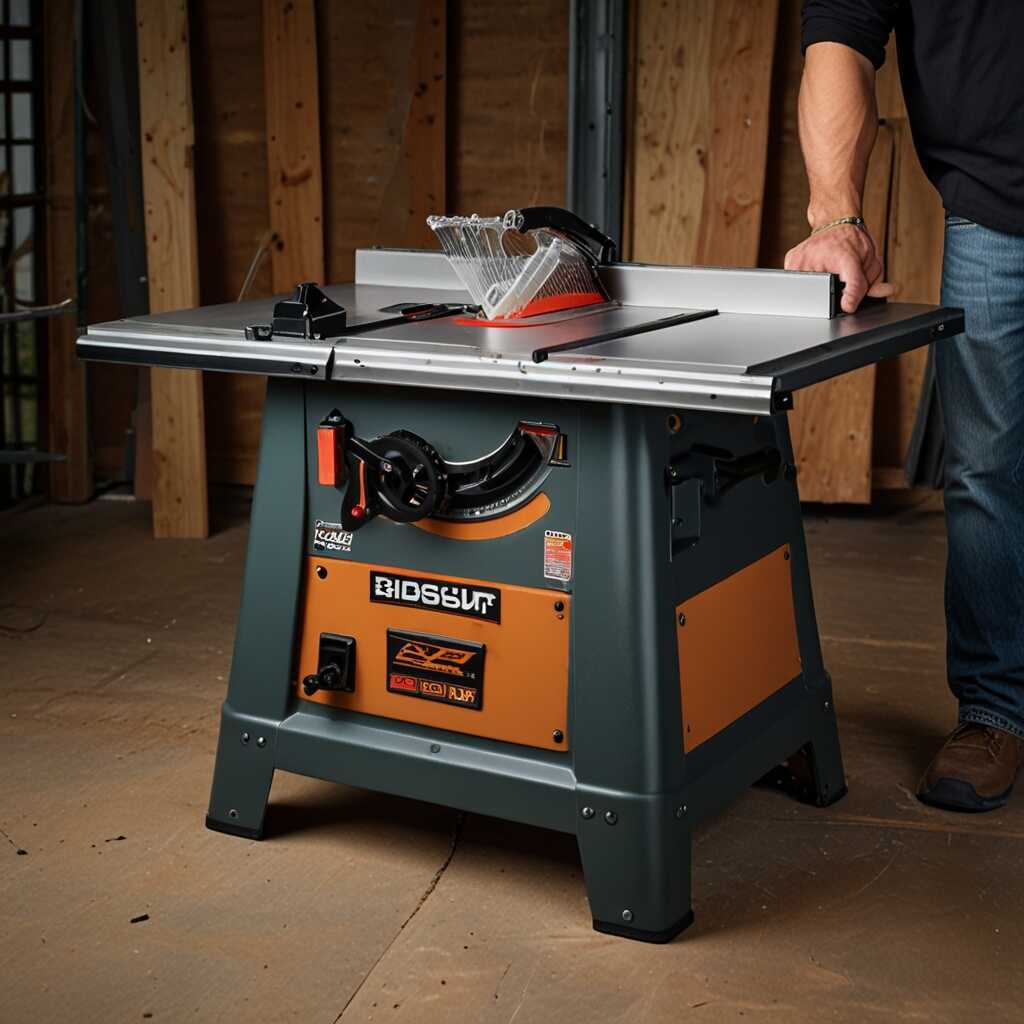
Identifying Problems Related to Blade Expansion
Common signs of thermal expansion affecting saw blade performance include inconsistent cut quality, excessive vibration, and unusual noises during operation. If a blade struggles to make straight cuts or if the edges show signs of excessive wear, thermal expansion may be the cause. Temperature fluctuations can significantly impact the reliability of saw blades, especially circular and band saws. These variations can lead to performance degradation, reducing the blade’s effectiveness and lifespan. The average expansion rate of saw blades is approximately 0.01 mm per 10 degrees Celsius increase in temperature. This means that when operating in varying temperatures, users need to closely monitor their blades to ensure optimal performance.
Tips for Managing Saw Blade Expansion
Managing saw blade expansion is essential for maintaining cutting efficiency and accuracy. Regular inspections for signs of warping or bending can help identify problems early. Users should consider calibrating their saw blades after encountering significant temperature changes. Keeping the blades clean and properly lubricated enhances their ability to handle thermal expansion. Additionally, when storing saw blades, maintain a stable temperature environment to prevent unnecessary expansion and contraction. Innovative Saws recommends selecting high-quality materials for blades, as they tend to perform better under temperature fluctuations, ensuring durability and reliability.

Maintenance Tips for Seasonal Blade Adjustments
To maintain saw blades effectively during seasonal temperature changes, users should implement specific storage techniques and maintenance practices. Store saw blades in a cool, dry place to prevent rust and warping. Use blade guards or covers for added protection. Regularly clean blades after use to remove resin and debris, enhancing performance. Apply lubrication to moving parts according to the manufacturer’s recommendations. Inspect blades at least once every season to ensure they remain sharp and reliable, adjusting maintenance frequency based on the material being cut. This proactive approach helps maintain blade performance across temperature variations.
Understanding the Importance of Regular Inspection
Regular inspection of saw blades is crucial, especially during season changes. Seasonal temperature variations can affect the blade’s material properties, leading to potential warping or brittleness. Experts suggest inspecting blades every three months or more frequently if in high-use situations. Look for any signs of wear, including chips or dullness. Maintaining blade sharpness improves cutting efficiency and reduces the risk of machinery damage. Keeping track of inspection schedules helps ensure reliable performance and long-lasting tool use. Implementing a consistent inspection routine enhances safety and overall cutting quality.
Advantages of Understanding Temperature Variations
- Professionals achieve higher accuracy in cuts with awareness of blade expansion.
- Optimizing tool performance reduces material waste during projects.
- Improving cutting efficiency enhances productivity in woodworking tasks.
- Reliable cutting processes prevent blade damage and prolong blade life.
- Seasonal adaptation leads to fewer mishaps in critical cutting operations.
- Better temperature management ensures safety for woodworkers and equipment.
- Users can save costs on repairs with preventive blade maintenance strategies.

Selecting the Ideal Blade for Different Temperature Conditions
When selecting a saw blade for different temperature conditions, consider material compatibility, blade durability, and optimal performance. For instance, carbide-tipped blades provide excellent reliability in extreme temperatures. High-speed steel blades may expand more significantly in heat, affecting precision cutting. Durable blades designed for cold weather maintain their sharpness and efficiency. Always review product specifications for temperature ratings and warranty data to ensure reliability. Utilizing blades tested for cutting different materials enhances your ability to handle temperature fluctuations effectively.
Understanding Blade Features for Temperature Control
Choosing the right saw blade features can greatly improve performance in varying temperatures. Look for features like thermal expansion compensation which helps maintain cutting precision. Blades with cooling slots or coatings can effectively dissipate heat, preventing warping. Blade thickness also matters; thicker blades are generally more durable and handle temperature stress better. Using reinforced blades can improve longevity in extreme cold and heat. Conducting material comparisons and understanding blade testing results will help you select the best performance tools for your projects.
Adjusting Cutting Techniques for Seasonal Variation
Seasonal temperature changes can significantly impact saw blade performance. As temperatures rise or fall, blades expand or contract, affecting precision cutting. Woodworkers should adjust their cutting techniques to maintain quality. For example, during warmer months, blades may expand, requiring adjustments in cutting speed or pressure. Conversely, in colder months, blades may contract, which can lead to overheating if cutting too quickly. Another key consideration is the type of material being cut. Hardwoods tend to react differently compared to softwoods. A reliable approach involves closely monitoring the blade’s performance throughout the seasons. Adjusting the feeding rate and cutting speed can enhance overall efficiency. Proper blade maintenance is also essential throughout the year to ensure peak performance.
Key Modifications for Optimal Cutting Based on Temperature
To achieve optimal cutting, woodworkers should focus on specific modifications based on temperature. Increase the cutting speed in cold conditions as blades may be tighter and can cause friction. For hot conditions, slowing down the cutting speed helps manage blade expansion. Additionally, using lubrication aids can enhance cutting efficiency and reduce heat buildup. Woodworkers are advised to keep a reliable temperature gauge in their workshops. It is crucial for assessing the environment and adjusting techniques accordingly. A well-maintained blade will yield better results regardless of the temperature, and following these tips ensures durability and long-lasting performance. Innovative Saws’ expert resources can further assist in selecting the right tools specific to seasonal needs.
Relevant Brands and Their Features
- Brand X is known for precision blades, perfect for professional carpenters seeking fine finishes.
- Brand Y offers durability, ideal for contractors who frequently cut varying materials.
- Brand Z provides a variety of temperature-resistant saws for outdoor woodworkers.
- Some woodworkers prefer Brand A for its affordable options suited for DIY projects.
- Contractors may choose Brand B for its high-performance tools designed for heavy-duty tasks.
- Brand C excels in innovative designs, helpful for educators demonstrating woodworking.
- When choosing a brand, users should consider durability, cost, and specific application needs.
Conclusion Highlighting the Importance of Temperature Awareness
Temperature changes significantly affect blade expansion rates, which can impact cutting performance. For example, different materials respond uniquely to temperature fluctuations. Hardwoods like oak may expand or contract more than softer woods, influencing cuts’ precision. Workers must be aware of seasonal variations, typically between 20°F to 80°F, to ensure optimal blade performance. Understanding this can help manage and maintain cutting tools effectively.
Practical Tips for Managing Blade Performance Amid Temperature Changes
Maintaining reliable cutting performance requires proactive measures as seasonal temperatures fluctuate. Professional woodworkers should regularly review their tools during temperature transitions. Ensuring blades are suitable for specific materials is essential for effective operation. Adjustments to cutting speeds and pressures may enhance effectiveness when temperature varies significantly. Utilizing insulated storage for blades can also keep them stable, minimizing expansion issues. This approach will help optimize the quality and performance of cutting tools throughout the year.