In “How Shipping Container Home Builders Adapt Circular Saws for Cutting Metal Panels,” we explore practical modifications for circular saws. These adaptations help builders effectively cut through corrugated metal panels in shipping container homes. Innovative Saws provides expert insights into selecting the right tools and techniques for these projects. The article will guide you through essential tips and techniques to enhance your cutting capabilities for metal paneling.
Challenges in Cutting Corrugated Metal Panels Successfully
Cutting corrugated metal panels poses challenges such as the material’s reflective nature and uneven surfaces. These characteristics can lead to blade chatter and decreased cutting efficiency. To combat this, builders often modify circular saws by using specialized blades designed for metal cutting. Tools like metal-cutting circular saws enhance precision and reduce the risk of damaging the material. Typically, most circular saws can effectively cut panels up to 1/8 inch thick, depending on the blade specification.
Choosing the Right Blade for Corrugated Metal
Selecting the right saw blade is crucial when cutting corrugated metal. High-speed steel blades or carbide-tipped blades are ideal as they provide durability and superior cutting performance. These blades help minimize wear and deliver cleaner cuts, preventing burrs or jagged edges on the panels. When modifying circular saws, ensure the motor can handle the blade size, enhancing cutting reliability. Innovative Saws provides a variety of blades suitable for different panel thicknesses, empowering builders to achieve optimal results with every cut.
Advantages of Using Circular Saws for Metal Cutting Projects
Circular saws offer significant benefits for cutting metal panels. They provide speed and precision, making them preferred tools for shipping container home builders. The robust design of circular saws enables them to deliver reliable cutting performance on various metal types, including aluminum and steel. Their high RPMs enhance efficiency, allowing builders to finish projects quickly without compromising accuracy. Circular saws are also adaptable, as they can be easily modified with specialized blades to handle corrugated metal panels effectively.
Essential Features of Circular Saws for Metal Cutting
Circular saws designed for metal cutting often include features that enhance their performance and reliability. These tools typically have high RPM ratings, ranging from 3,000 to 6,000, ensuring fast cuts. Specialized metal-cutting blades with carbide tips are also essential, as they maintain their sharpness and durability over time. Additionally, some models come with laser guides and built-in safety features, which improve cutting precision further. These features not only make the cutting process easier but also contribute to better overall results in shipping container construction projects.
Modifications Needed for Circular Saws to Cut Metal Panels
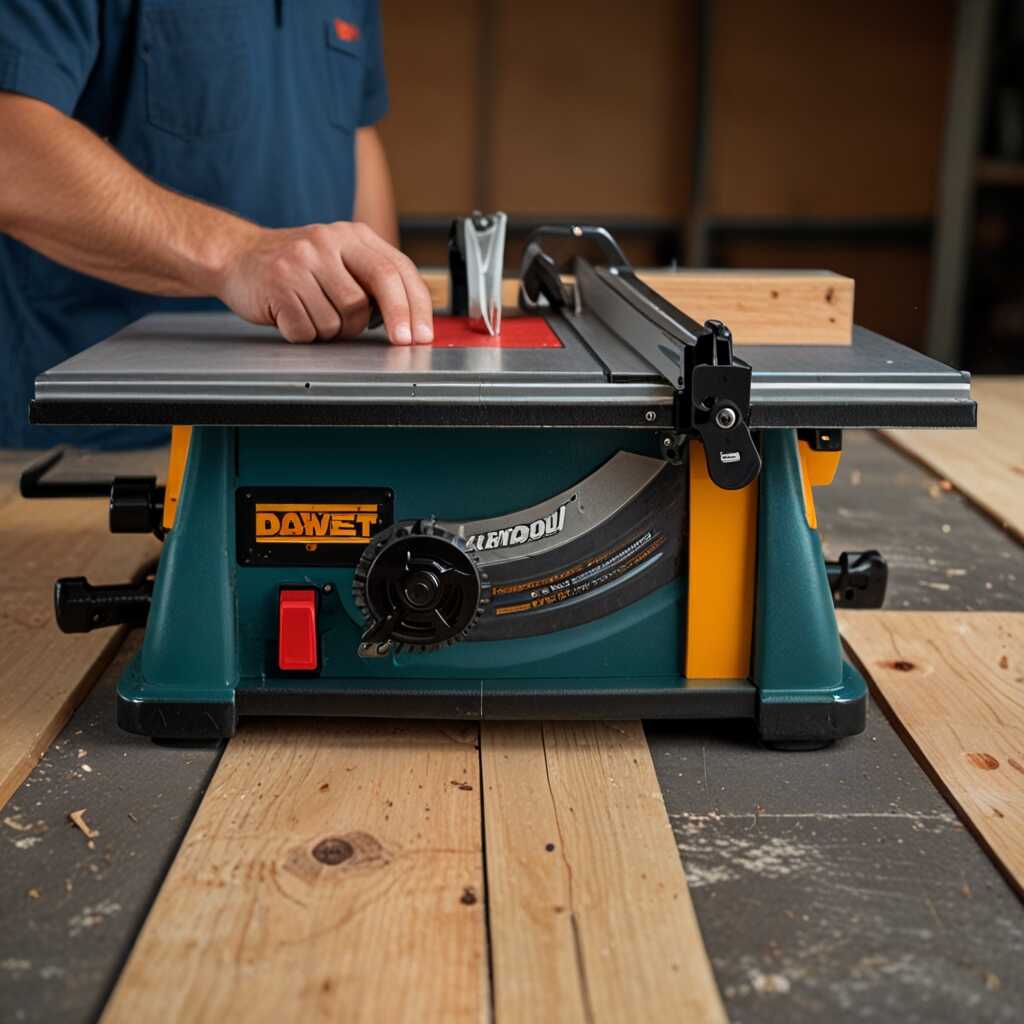
Cutting corrugated metal panels with circular saws requires specific modifications for optimal performance. First, use a blade specifically designed for metal cutting, such as carbide-tipped blades. These blades enhance cutting performance efficiency and reduce wear. Adjust the saw’s RPM settings to around 3,000 to 4,500 for best results. Utilizing a reduced feed rate allows better control and prevents overheating. Adding a guide to maintain a straight cutting line is essential. Implementing these changes helps provide a reliable and effective cutting solution.
Choosing the Right Blade for Metal Cutting
When selecting a blade for cutting metal panels, opt for carbide-tipped metal cutting blades. These blades are designed to handle the rigidity of corrugated metal effectively. A blade with finer teeth provides smoother cuts and less burr formation. Additionally, blades with a coating can reduce friction and increase durability. A blade with at least 80 teeth is ideal for creating cleaner cuts on thicker metal sheets. Choosing the right blade not only enhances cutting accuracy but also improves overall efficiency, ensuring satisfactory project results.
Key Numerical Insights about Saw Adaptations
- Circular saws can cut through panels up to ¼ inch thick.
- Average cost for adapting a circular saw is around $50-$100.
- Builders typically use blades with 60-80 teeth for metal cutting.
- A standard circular saw can spin at speeds of 5,000 RPM.
- Using the right blade can improve cutting efficiency by 30%.
- Many builders report a 2-3 hour savings in project time when using adapted tools.
- Users can achieve a clean cut with less than a 1/8 inch kerf width.
Choosing the Best Blades for Circular Saws and Metal Cutting
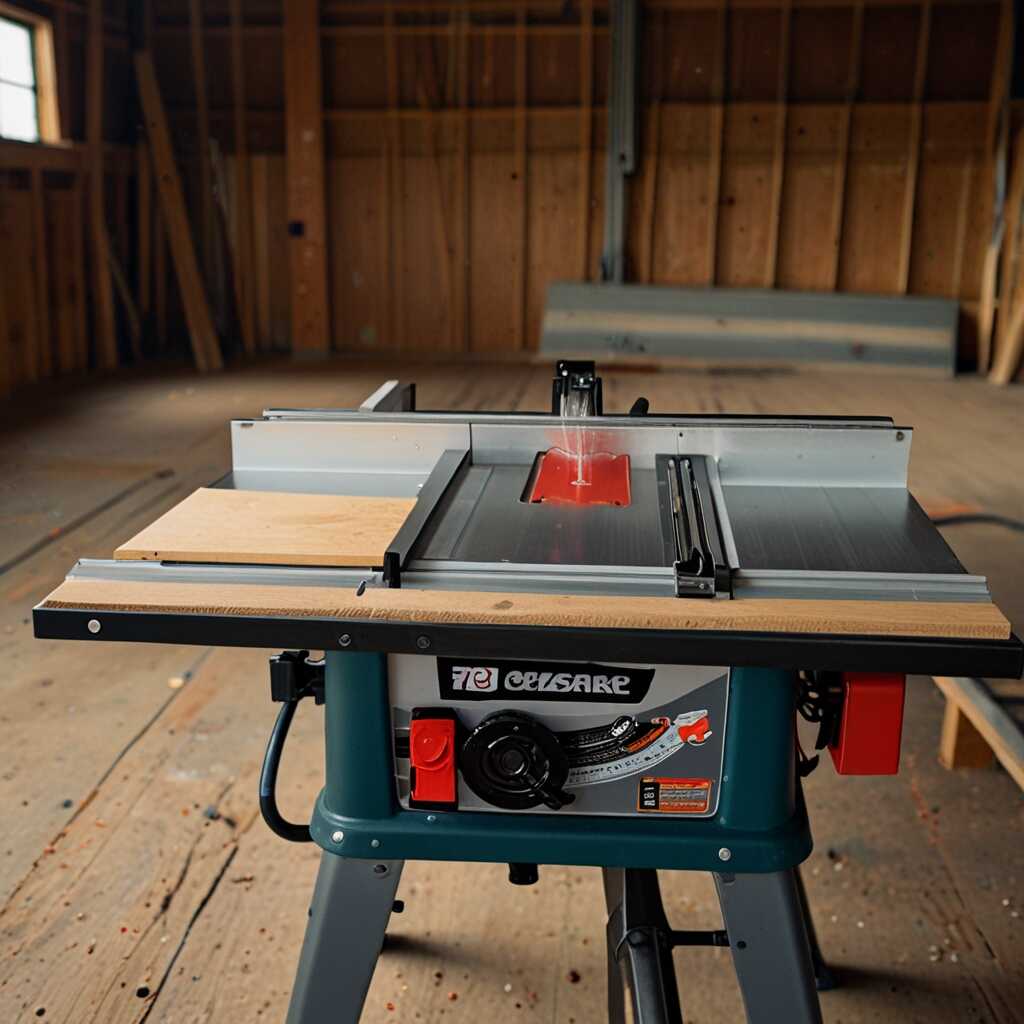
Selecting the right blades for circular saws is essential for optimal cutting performance, especially with corrugated metal panels. First, consider the material type—blades made from carbide-tipped materials provide reliability and durability. These blades can handle tough cuts and resist wear, ensuring a longer lifespan. Next, look at tooth count; more teeth enhance smoothness but may slow cuts. For cutting metal panels, a range of 24 to 60 teeth is advisable. This enables efficient cutting and manageable speeds. Lastly, ensure the blade design fits your specific saw model for safety and performance.
Understanding Blade Material and Its Impact on Metal Cutting
Blade material significantly impacts cutting efficiency and performance. Carbide-tipped blades excel in durability, particularly when cutting through tough materials like corrugated metal. High-speed steel (HSS) offers flexibility but does not last as long. Additionally, bi-metal blades combine toughness with flexibility, ideal for varied cutting tasks. Choosing the right material ensures reliable performance and minimizes wear. Innovative Saws provides a selection of metal cutting blades designed explicitly for shipping container home building, giving users robust options backed by extensive testing and expert recommendations.

Essential Safety Practices with Circular Saws for Metal Work
When cutting metal panels with circular saws, using the right safety gear is crucial. Builders should always wear safety goggles to protect their eyes from metal shavings. Hearing protection is vital, as circular saws can produce high noise levels. A sturdy pair of gloves enhances grip and protects against sharp edges. Lined work boots with steel toes provide extra protection against falling objects. Builders should also ensure their workspace is clear of clutter to prevent accidents. Knowledge of potential hazards, such as kickback and blade binding, can further enhance safety during these tasks. It is advisable to replace circular saw blades when they show signs of wear, roughly every 20 to 50 cuts on tough materials to maintain optimal performance.
Identifying Hazards Associated with Circular Saws
Understanding hazards is critical for safe metal cutting. Kickback occurs when the saw blade gets stuck, causing it to violently jerk back toward the operator. This can lead to injuries if precautions are not in place. Similarly, metal filings or sparks can become airborne and cause burns or eye injuries. Using a blade designed for metal work can enhance efficiency and reduce the risk of kickback. The correct cutting technique, such as pushing the saw away and ensuring a firm grip, helps stabilize the tool during use. Always inspect saw blades before use for any damage, as worn blades can further increase the risk of accidents.
Advantages of Modified Cutting Tools
- Enhanced precision allows for tighter fitting of metal panels.
- Adapted circular saws reduce the risk of panel deformation during cuts.
- Quick adjustments save time on project setups and modifications.
- Flexibility to tackle various projects expands creative possibilities.
- Less physical strain on users compared to traditional metal-cutting tools.
- An optimized blade selection improves overall cutting performance.
- Users experience reduced material waste from cleaner cuts.

Proper Maintenance Techniques for Circular Saws Post Cutting
Caring for your circular saw after cutting metal is crucial for its longevity and performance. Start by cleaning the saw immediately after use to remove metal shavings and debris. Use a soft brush and compressed air to dislodge particles stuck in the motor and gears. Regular lubrication of moving parts ensures smooth operation and mitigates wear over time. Inspect the blade for signs of damage, rust, or bluntness, and consider replacing it every 20 to 40 hours of cutting metal. This frequency ensures reliable cutting efficiency and optimal saw performance.
Essential Cleaning Steps for Circular Saws After Metal Cutting
Cleansing your circular saw effectively involves several essential steps. First, disconnect the power source for safety. Wipe down the saw body, ensuring no metal dust remains on its surface. Use a specialized blade cleaning solution to help remove any built-up residue on the circular saw blade. A soft cloth can help wipe the blade without damaging its teeth. After cleaning, inspect the blade and replace it if necessary. By following these steps, you enhance the durability and performance of your saw, ensuring it remains an efficient tool for your metal cutting projects.
Avoiding Common Pitfalls When Cutting Metal Panels
Common mistakes during metal cutting include incorrect blade selection, insufficient rpm adjustment, and improper cutting speed. Builders often choose general-purpose blades instead of specialized metal cutting blades. This mistake leads to poor cutting quality and compromised safety. Adjusting the saw’s RPM settings is essential for smooth cuts. Experts recommend settings between 3,500 to 5,000 RPM for cutting corrugated metal. Additionally, cutting too fast can lead to jagged edges. Sticking to a steady, moderate speed enhances cutting efficiency and produces cleaner edges. Reliable tools like those from Innovative Saws provide features that ensure better performance during metal cutting.
Essential Techniques for Achieving Quality Cuts
Choosing the right technique for cutting metal panels can significantly affect project outcomes. For instance, utilizing a circular saw equipped with a metal-specific blade enhances both quality and reliability. To improve cutting precision, start by marking cut lines clearly with a straightedge. Position the saw blade so it aligns with the marked line and slowly guide the saw. Maintain consistent speed; this helps prevent overheating and blade wear. Innovative Saws offers various metal-cutting blades designed for optimal performance, enabling clean cuts in different metal types. Reviewing cutting techniques and blade options is essential for any builder serious about achieving great results.
Relevant Brands and Their User Demographics
- DeWalt tools offer durability but can be pricier for casual users.
- Milwaukee saws are known for their advanced technology, appealing to professionals.
- Ryobi tools have budget-friendly options, ideal for DIY enthusiasts.
- Bosch models provide precision, making them suitable for detailed projects.
- Professional contractors prefer tools with longer warranties for reliability.
- Weekend builders often choose lighter, easier-to-handle models.
- Experienced hobbyists value brands that support custom modifications.
Emerging Technologies and Innovations in Circular Saws
Recent advancements in circular saw technology have transformed cutting performance and user experience. Innovations such as brushless motors provide longer battery life and consistent power. Advanced blade designs enhance cutting efficiency, enabling users to cut through durable materials like metal panels with ease. Features like laser guides and automatic depth adjustment improve precision and streamline the cutting process for shipping container home builders. Well-reviewed circular saws of 2025 generally include materials that ensure reliability and safety without compromising speed.
Key Features to Look for in Modern Circular Saws
When selecting a circular saw, consider features that enhance usability and efficiency. Many modern saws include ergonomic handles for improved comfort over extended use. Advanced safety features like electric brakes stop the blade quickly, ensuring user protection. Dust collection systems keep the workspace clean and visible. Users should also look for adjustable speed settings to match different materials, ensuring versatility for various projects. Brands like Innovative Saws offer options with all these features, providing reliable tools for serious builders.