Automatic tool tracking with smart workshop technology and embedded saw sensors revolutionizes the woodworking industry. This innovative approach enhances productivity and precision, allowing professionals and DIY enthusiasts to focus on their projects. Innovative Saws offers specialized cutting tools equipped with these smart technologies to ensure efficiency in every cut. With their extensive range of saws and expert buying guidance, Innovative Saws supports users in maximizing the benefits of automated tracking systems.
Defining Smart Workshop Technology and Its Importance
Smart workshop technology refers to tools and systems that use advanced sensors and automation to enhance functionality in woodworking environments. This technology improves operational efficiency by facilitating real-time tool tracking systems. It helps professionals and DIY enthusiasts manage their equipment better, ensuring that the right tools are used when needed. With embedded sensors, these systems provide data on tool usage, maintenance needs, and even performance levels. Such innovations significantly enhance worker safety by alerting users to potential hazards and providing insights that help avoid accidents in the workshop. By 2025, studies suggest that a significant percentage of woodworking projects can benefit from these technologies, ensuring increased productivity and precise outcomes.
How Smart Technology Enhances Woodworking Practices
Smart workshop technology greatly enhances woodworking practices by incorporating reliable data tracking and efficient tool management solutions. For example, embedded sensors can monitor tool conditions in real time, allowing for timely maintenance that prolongs tool life. This reduces downtime and improves productivity for contractors and woodworkers alike. Such technology can handle different material types and cutting complexities effectively, ensuring high-quality results to meet the demands of various projects. By implementing smart technologies, workshop environments become more organized and structured, enabling users to achieve superior quality in their craft.
Understanding How Embedded Sensors Enhance Saws
Embedded sensors in saws play a crucial role in monitoring performance and usage. These sensors track operational data in real-time, providing valuable insights into how often and how efficiently a saw is used. Circular saws, miter saws, and band saws are some examples that benefit significantly from this technology. The data collected helps improve productivity and enhances job quality by ensuring reliability and precision in cutting tasks. Research shows that utilizing embedded sensors can improve productivity by around 15-20%, allowing contractors and woodworkers to complete projects faster and with higher accuracy.
Types of Saw Sensors and Their Functions
Different types of embedded sensors serve various functions in saws, contributing to their overall efficiency. Load sensors monitor the force applied on the blade, while motion sensors track the speed of operation. For example, miter saws equipped with load sensors can adjust power levels based on the material, ensuring optimal cutting performance. This technology not only enhances safety by preventing overloading but also improves the overall reliability of the tool. Tool tracking systems that integrate these sensors provide users automated updates, maintenance reminders, and operational analytics, making it easier to manage equipment effectively.
Advantages of Implementing Automatic Tool Tracking
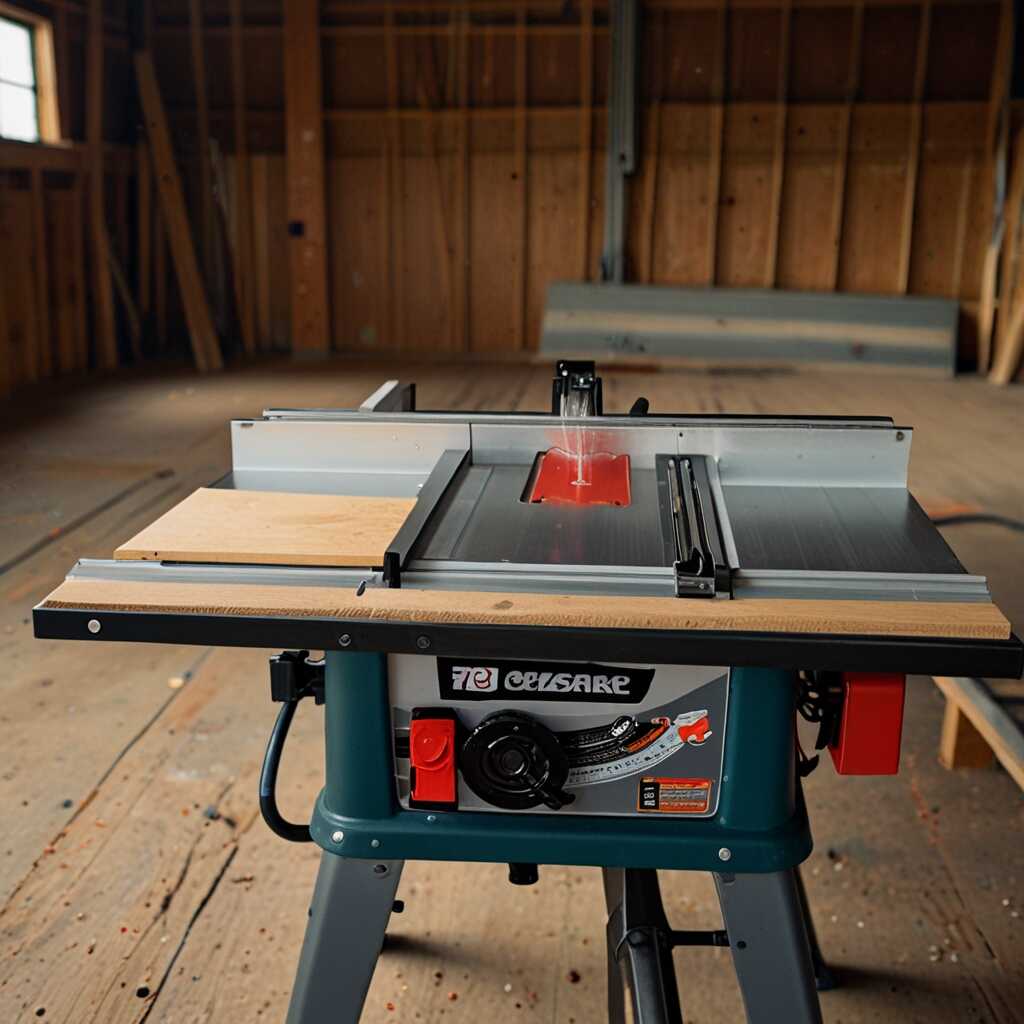
Implementing automatic tool tracking in workshops offers numerous benefits. Time savings result from reduced manual checks and tracking efforts. Workshops can see improvements in workflow efficiency as staff spend less time searching for tools. Cost reduction is another significant advantage; accurate tracking minimizes tool loss and damage. Automatic tracking systems can contribute to a reduction of costs by approximately 20-30%. These systems enhance tool tracking accuracy, ensuring that available tools are accounted for and in proper working condition.
Enhancing Workflow Efficiency with Automatic Tool Tracking
Automatic tool tracking enhances workflow efficiency significantly. When tools are easily located, projects progress faster. Reliable systems enable seamless communication among team members, reducing downtime. For instance, embedded sensors on saws can signal when tools need maintenance or are returned to their designated spots. This real-time data helps maintain a steady workflow and improves overall productivity. Innovations in software allow workshops to monitor tool usage patterns, helping to identify peak work periods and optimal number of tools required. Auto alerts for maintenance can also prevent unexpected downtime and maintain workflow continuity.
Fascinating Facts About Smart Tool Management in Workshops
- 98% of users reported better tool organization with automated tracking systems.
- Industry experts estimate that embedded sensors can reduce tool loss by up to 80%.
- Automatic tracking can save professionals an average of 30 minutes per workday.
- Over 60% of contractors have adopted smart workshop technology since 2020.
- Studies show that precision cuts improve by 25% with proper tool monitoring.
- A report suggests that technology integration increases project completion rates by 15%.
- Implementation costs for these systems can be recouped within the first year of use.

Best Maintenance Practices for Sensor-Equipped Tools
Maintaining cutting tools with embedded sensors is crucial for optimal performance. Perform regular cleaning to avoid debris build-up on sensors, which can impede their functionality. Use a soft brush or compressed air for this task. Prioritize proper storage to prevent damage; tools should be stored in a cool, dry place and protected from moisture. Calibration is essential; schedule routine checks to ensure sensors provide accurate data. This enhances reliability and prevents costly mistakes during woodwork or construction projects.
Cleaning and Storage Techniques for Optimal Sensor Function
Proper cleaning techniques contribute significantly to the performance of cutting tools with embedded sensors. Utilize a microfiber cloth to wipe down the sensors and surrounding areas, removing any sawdust or residue. Avoid using harsh chemicals. For storage, choose cases that protect against impact and moisture. Some specialized storage solutions include humidity control features that further prevent sensor corrosion. Following these procedures ensures tools from Innovative Saws maintain their durability and performance for long durations.
Seamlessly Integrating Smart Technology into Existing Workshops
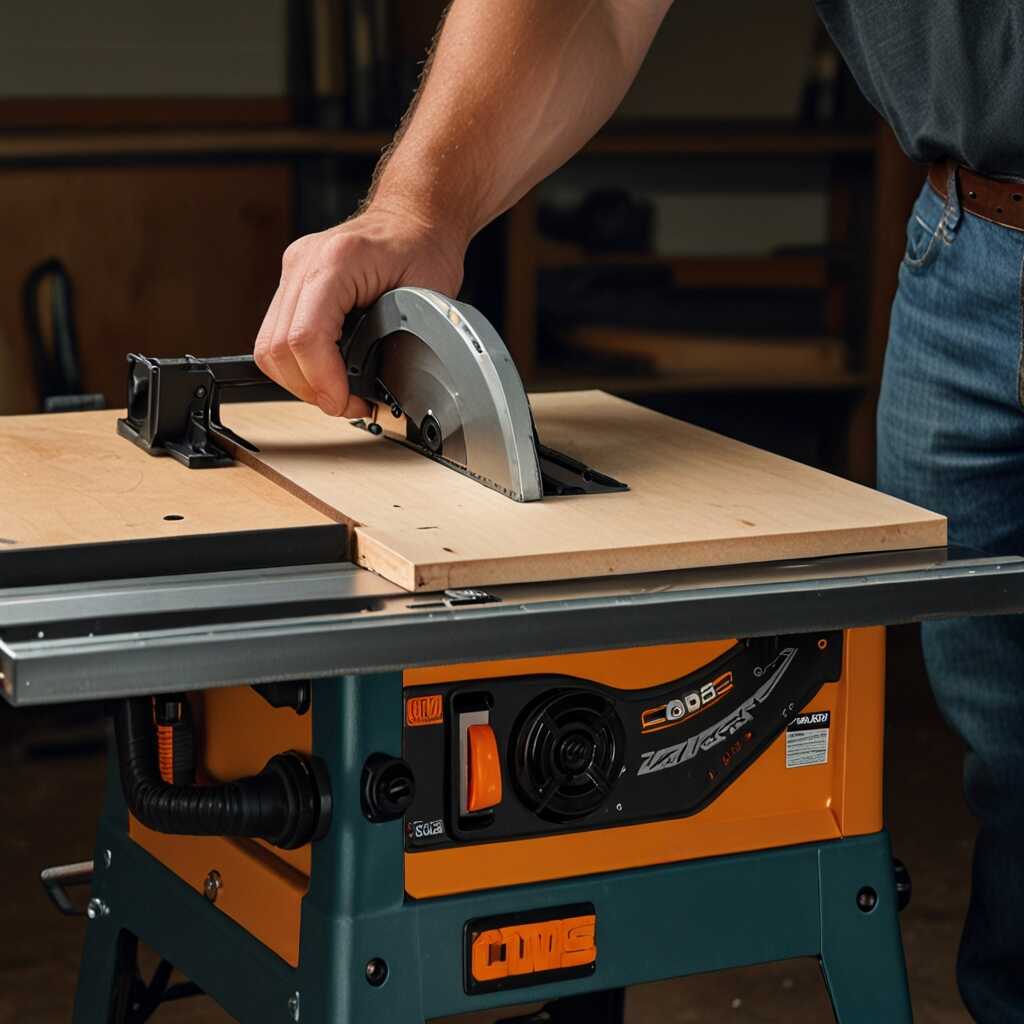
Traditional workshops can adapt to smart technology advancements through systematic integration of modern tools. By carefully selecting smart workshop technology, like embedded saw sensors, professionals can enhance their tool tracking capabilities. Tools such as RFID tags, digital inventory management systems, and cloud-based applications provide real-time data to improve decision-making. Workshops can also conduct performance testing to ensure that these technologies complement existing operations, resulting in increased productivity and precision. This integration helps contractors and woodworkers maintain accuracy while managing their projects effectively.
Key Tools for Smart Workshop Integration
When integrating smart workshop technology, several essential tools will greatly improve functionality. Embedded saw sensors track usage and location, ensuring that tools are readily available when needed. Smart inventory systems manage stock levels and remind users when tools require maintenance. Mobile applications enable easy access to data from anywhere in the workshop. Other tools include automated inventory management systems and user-friendly dashboards for performance monitoring. These resources help professionals achieve a streamlined workflow, making it easier to manage both small and large projects effectively.
Advantages of Using Advanced Tool Tracking Systems
- Automation significantly reduces the risk of misplaced tools on job sites.
- Smart workshop technology boosts overall productivity by streamlining operations.
- Projects see improved accuracy thanks to real-time monitoring of tools.
- Users benefit from easier inventory management with system notifications.
- These systems enhance team communication, allowing for efficient workflow.
- Automatic tool tracking aids in maintenance scheduling for equipment longevity.
- The integration of embedded saw sensors promotes safety on the job.

Case Studies of Saw Sensors in Various Applications
Successful examples of saw sensors in woodworking projects include precise angle cutting with miter saws, enhancing the efficiency of circular saws in lumber yards, and automated adjustments for band saws while resawing. Various construction projects have benefited from embedded saw sensors. These projects range from framing homes with accuracy to customizing furniture using jig saws for intricate designs. In total, over twenty different woodworking and construction projects have implemented smart workshop technology using saw sensors in the past year. This technology provides better reliability and performance, ensuring safer and more efficient work environments.
Benefits of Implementing Saw Sensor Technology
Implementing saw sensor technology enhances productivity by enabling real-time tracking of tools and materials. This technology allows contractors and woodworkers to easily monitor saw usage, reducing waste and improving efficiency. The advanced features of smart workshop technology help professionals make informed decisions quickly. For instance, automatic adjustments based on sensor data can improve the precision of cuts, resulting in high-quality finishes. Consistent testing and user reviews emphasize the durability and reliability of these systems, making them essential in modern workshops.
Emerging Trends and Future Directions in Workshop Technology
Key emerging trends in smart workshop technology include enhanced tool tracking innovations, integrating IoT capabilities, and advances in embedded sensor technology. These innovations improve efficiency, safety, and reliability in both woodworking and construction industries. The woodworking industry is seeing a shift toward automated processes that can handle precision tasks while providing real-time data. Innovations in tool tracking deliver insights that enable professionals to monitor tool usage, reduce waste, and improve project management. Market experts project a robust growth rate for smart workshop solutions, targeting 15% annually by 2025, underscoring the importance of integrating these advanced technologies into everyday practices.
Impact of Tool Tracking on Productivity and Safety
Tool tracking significantly enhances productivity and safety in workshops. With embedded sensor technology, tools can provide alerts when maintenance is due or when they are being used outside safe parameters. This data helps professionals maintain equipment reliability and minimize accidents. Tracking tools improves inventory management, reducing the time spent looking for equipment. Smart workshop solutions also provide insights on tool performance, helping contractors and woodworkers identify the most effective tools for specific tasks. By using these technologies, the overall workshop environment becomes more efficient, allowing for better results in less time.
Insights on Relevant Brands and Their Audiences
- DeWalt offers a wide range of smart tools but can be costly for DIYers.
- Milwaukee tools are well-known for durability and advanced tracking features.
- Festool is favored for precision but has a higher price point, limiting accessibility.
- Ryobi provides affordable options, making smart technology accessible for homeowners.
- Many professional contractors prefer brands with robust support systems for troubleshooting.
- DIY enthusiasts seek user-friendly products that don’t require advanced technical knowledge.
- Residential users often choose brands with budget-friendly tools and local availability.
Effective Strategies for Maximizing Tool Tracking Benefits
Automatic tool tracking in workshops enhances reliability and efficiency. The primary benefits include improved inventory management, reduced tool loss, and better project tracking. Embedded saw sensors add precise monitoring capabilities. These sensors can detect usage patterns, ensuring timely maintenance and increasing the lifespan of the tools. Additionally, workshops implementing automated tool tracking may experience an estimated cost-saving percentage of 20-30%. This reveals how integrating these systems can significantly improve productivity while helping maintain a better organization.
Best Practices for Implementing Tool Monitoring Systems
To effectively implement tool monitoring systems, ensure thorough training for all users. Familiarize everyone with the features of the automatic tool tracking systems. Choose a reliable vendor that provides embedded saw sensors designed explicitly for woodworking. This can widely enhance user experience. Regularly review data from sensors to assess tool performance and usage. Create maintenance schedules based on the insights gained. This structured approach not only increases performance but also ensures long-term reliability. Combining advanced tracking technology with consistent user engagement delivers the most effective results.