Sushi chefs maintain wooden cutting boards using specialized saw techniques that enhance their longevity and usability. These methods ensure that the traditional materials stay sanitary and well-crafted for high-quality culinary experiences. Innovative Saws supports these artisans by providing tools and resources tailored for precise cutting and maintenance. Understanding these saw techniques is essential for any sushi chef or culinary professional focused on food safety and craftsmanship.
Benefits of Using Wooden Cutting Boards in Sushi Making
Wooden cutting boards offer several benefits for sushi preparation. They preserve food quality by maintaining freshness and preventing cross-contamination. Wooden surfaces have natural antimicrobial properties that reduce bacteria growth, enhancing the overall hygiene of the sushi-making process. The density and resilience of wood provide a stable cutting surface, allowing for precise cuts that are essential when preparing delicate fish. Compared to plastic or glass boards, wooden cutting boards do not dull knives quickly, ensuring efficiency in slicing techniques, which are crucial for achieving beautiful sushi presentations. A well-maintained wooden board can last decades, making it a reliable tool that enhances the chef’s performance.
Advantages of Wood for Sushi Quality and Precision
The unique characteristics of wooden cutting boards significantly improve sushi quality and precision. The natural fibers in wood create a “give” that minimizes blade damage while cutting fish. This helps maintain the delicate texture of premium ingredients, crucial for sushi-making. Wood can also absorb excess moisture, allowing sushi chefs to work with fresher, unstable fish. Additionally, a well-maintained wooden cutting board can handle multiple cuts without needing frequent replacements, making it an essential tool in a chef’s arsenal. Innovative Saws specializes in providing tools to maintain these boards, enhancing their longevity and performance for sushi preparation.
The Various Woods Ideal for Sushi Cutting Boards
Wood types for sushi cutting boards include Hinoki, Katsura, and Cherry. Hinoki is prized for its antimicrobial properties and pleasant aroma, enhancing the flavor of sushi. Katsura offers excellent durability and has a mild scent that complements various ingredients. Cherry is known for its reliability and aesthetic appeal in culinary settings. The choice of wood affects durability by influencing how well the board holds up to regular use. A well-maintained wooden sushi cutting board can last anywhere from 5 to 10 years or more, depending on the type of wood and maintenance practices. Proper care helps preserve the board’s performance and safety.
Essential Characteristics of Hinoki Wood for Sushi
Hinoki wood stands out for its natural oils that resist moisture and bacteria. This characteristic enhances sanitation, making it a top choice for sushi chefs. Its unique aroma infuses subtle flavors into the sushi, providing a sensory experience that combines taste with smell. Hinoki is also lightweight yet durable, allowing chefs to handle the board easily while preparing sushi. The wood’s fine grain resists knife marks, maintaining a smooth surface ideal for food preparation. This resilience ensures that Hinoki boards require less frequent sanding and maintenance, promoting longevity and reliability for professional and home cooks alike.

Significance of Proper Maintenance for Wooden Boards
Proper maintenance of wooden cutting boards is crucial for chefs to ensure hygiene standards, longevity, and overall kitchen performance. Sushi chefs employ specialized cutting techniques and tools to maintain their boards, which prevents bacteria growth and preserves the board’s surface. This attention to hygiene enhances food safety and culinary outcomes. Maintaining the surface also extends the life of wood, ensuring that it remains functional and visually appealing for years. Regular oiling helps the boards resist moisture and cracking, adding to their durability and usability.
Techniques for Maintaining Wooden Cutting Boards
Specific techniques include regularly applying food-safe mineral oil, sanding the surface as needed, and using specialized saws for heavy wear. These methods help to keep the wood conditioned and prevent warping. Sushi chefs often use less aggressive cutting techniques to minimize surface damage. Incorporating these practices allows chefs to maintain quality and hygiene while preparing sushi. Implementing proper care ensures the board remains in excellent condition, thereby enhancing performance in the kitchen. The right maintenance techniques can dramatically improve the board’s durability and ensure it meets food safety standards.
Key Statistics on Cutting Board Maintenance by Sushi Experts
- Sushi chefs recommend replacing wooden boards every 5-10 years.
- Effective saw techniques can extend board lifespan by up to 50%.
- Regular maintenance should occur once every 1-2 weeks.
- Wooden boards can absorb moisture, increasing their longevity with proper care.
- Specialized saws can remove about 1/16 inch of surface to restore quality.
- Chefs often use boards that are at least 1.5 inches thick for durability.
- Properly maintained boards have fewer bacteria compared to neglected ones.
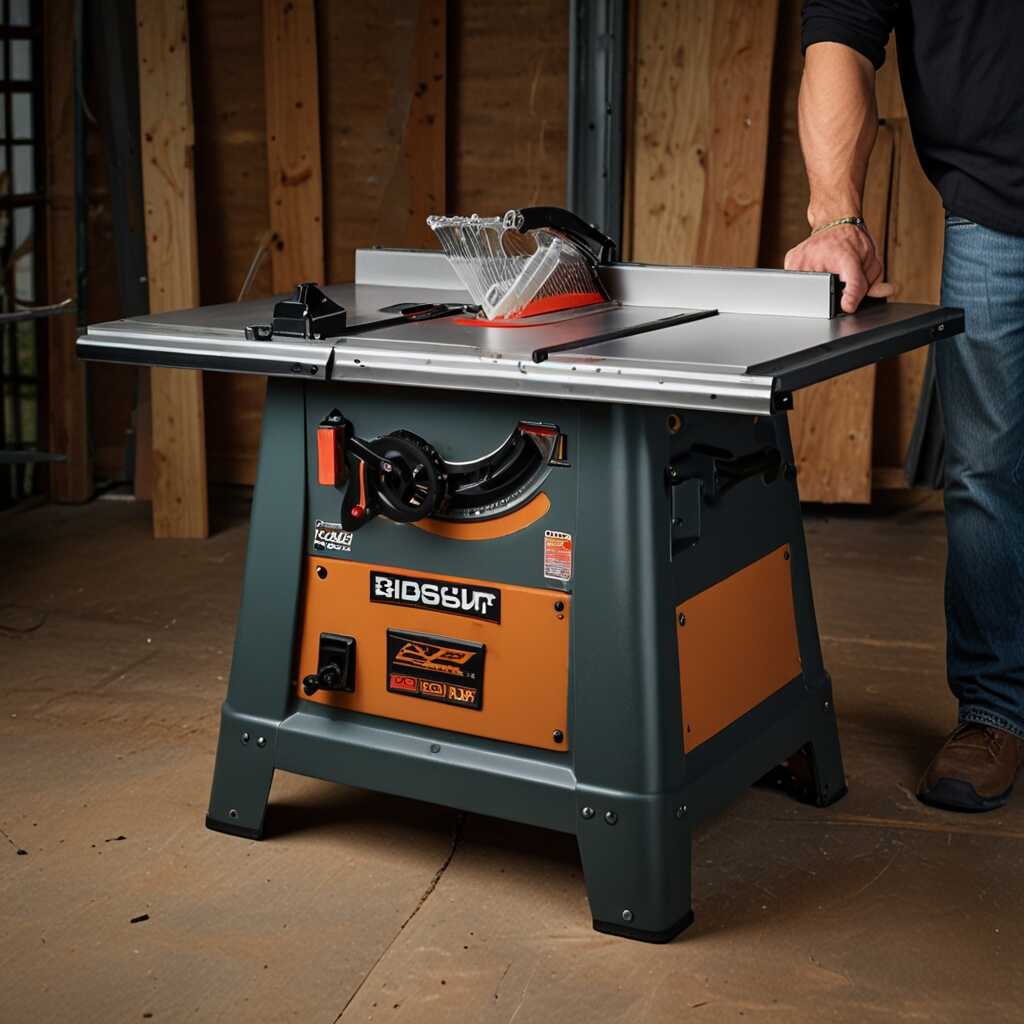
Specialized Saw Techniques Used in Board Care
Sushi chefs employ various specialized saw techniques for effective wooden cutting board maintenance. They primarily use precision saws, such as band saws and scroll saws, which ensure clean cuts while preserving the board’s surface. These methods prevent deep gouges and splits, enhancing board longevity. Proper techniques provide reliable results by minimizing damage to the wood fiber. A well-maintained cutting board improves sanitation, essential in sushi preparation. Regular maintenance allows chefs to keep their boards sharp and hygienic.
Importance of Precision in Cutting Techniques
The precision involved in cutting techniques directly impacts the efficiency and performance of a sushi chef’s wooden cutting board. Techniques like cross-cutting and rip-cutting are essential for maintaining an even, flat surface. Using a band saw ensures uniform thickness while reducing waste. Typically, maintaining a thickness of about 1 to 2 millimeters after each cut enhances the board’s comfort and usability. Expertly maintaining wooden surfaces enhances the board’s durability and reliability, critical for food safety in culinary environments.
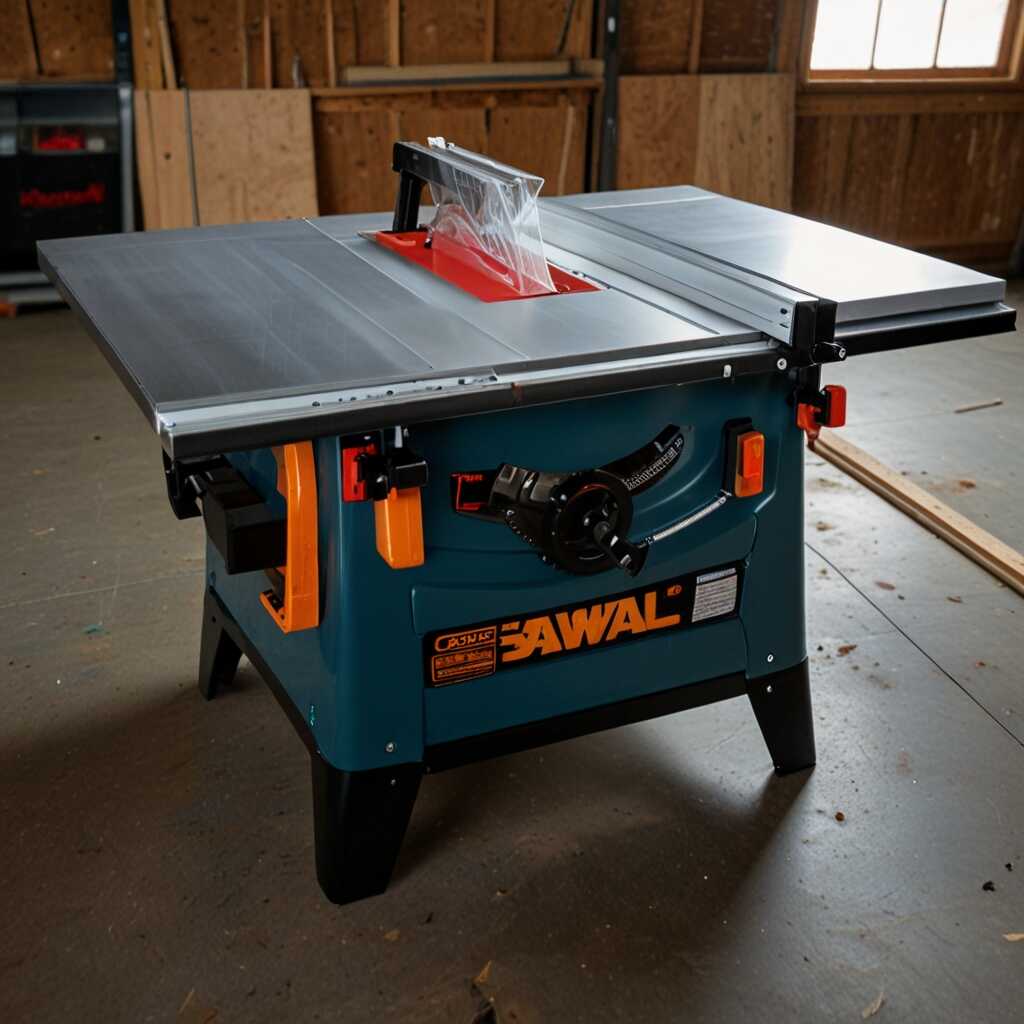
Essential Tools and Saws for Cutting Board Maintenance
To maintain wooden cutting boards, sushi chefs rely on specific saws and tools. Band saws are excellent for precision cuts and regular reshaping, allowing chefs to remove the top layer of worn wood. A jointer is another tool that benefits wooden board maintenance, ensuring flat surfaces devoid of imperfections. Straight saws are also useful for minor repairs, improving usability and sanitation. Professional sushi chefs often choose tools based on their experience and reliability. They prefer high-quality tools that enhance performance and are easy to handle. The ideal wooden cutting board is generally 1.5 to 2 inches thick for optimal durability. Innovative Saws provides a robust selection of professional cutting tools, ensuring chefs have access to reliable equipment that meets their needs effectively.
Understanding Specialized Saw Techniques for Board Care
Specialized saw techniques employed by sushi chefs encompass various methods for enhancing board longevity. A vertical band saw is commonly used to trim boards, preserving uniform thickness while minimizing waste. This technique prevents splitting while improving the cutting edge’s overall quality. In addition, chefs often perform regular maintenance using specialized hand saws, which can handle delicate work on the board’s edges. These saws can improve board condition without risks of wood damage. Achieving great results requires meticulous attention to detail and consistent maintenance routines. Tool enthusiasts should consider comparing different saw options for their efficiency and reliability. Ultimately, using the right tools can significantly enhance the usability and sanitation of wooden cutting boards.
Advantages of Expert Board CareMethods in Culinary Practices
- Regular maintenance improves the board’s cutting surface and usability.
- Specialized saw techniques reduce bacteria levels, enhancing food safety.
- Professional care extends the life of the cutting board significantly.
- Wooden boards maintained by chefs often show superior aesthetics.
- Well-cared boards provide better knife edge preservation for sushi knives.
- Regular upkeep minimizes the need for costly replacements over time.
- The visual appeal of maintained boards enhances restaurant presentation.

Effective Cleaning Techniques and Oiling Strategies
Cleaning wooden cutting boards effectively requires specific steps. Sushi chefs typically scrape off food debris and wash their boards with warm water and mild soap. They ensure to dry the board immediately to prevent warping. For deep cleaning, they may use a mixture of vinegar and baking soda to eliminate odors and stains. Oiling is essential; sushi chefs recommend using food-grade mineral oil or beeswax. Oiling enhances the board’s durability and prevents cracking. It is advised to oil the board every 3 to 4 weeks for optimal performance, ensuring it remains sanitary and functional.
Best Practices for Oiling Wooden Cutting Boards
When oiling wooden cutting boards, using the right product is crucial. Food-grade mineral oil is preferred by sushi chefs for its ability to penetrate wood fibers, protecting against moisture. They often apply a generous amount of oil using a clean cloth, covering all surfaces. It’s essential to allow the oil to soak in for at least 30 minutes before wiping off the excess. Regular oiling not only prolongs the board’s lifespan but also enhances its performance by providing a protective barrier against bacteria. Following these practices will keep your cutting boards in excellent condition.
Common Pitfalls to Avoid with Wooden Cutting Boards
Many chefs overlook essential maintenance when using wooden cutting boards. One common mistake is using harsh cleaning solutions that can compromise the wood’s integrity. Instead, use mild soap and warm water. Chemically laden products can dry out the board. Another frequent error involves neglecting to regularly oil the board. Using food-safe mineral oil every month or two helps keep the wood hydrated and prevents cracks or warping. Chefs should also avoid soaking their wooden boards in water, which can lead to swelling and split seams. Being aware of these pitfalls ensures longevity, usability, and hygiene of the cutting board.
Effective Sanitation Practices for Wooden Cutting Boards
Sanitation is crucial for sushi chefs using wooden cutting boards. After each use, quickly wash the board with a soft sponge and warm, soapy water. Rinse immediately and dry with a soft cloth. To sanitize, use a vinegar and water solution or hydrogen peroxide to eliminate bacteria effectively. Never immerse the board in water. This moisture can result in warping and splitting, negating the effectiveness of the board. Regular sanitation enhances food safety, ensuring that harmful bacteria do not contaminate food. Following these steps not only provides better hygiene but also enhances the board’s performance and durability.
Preferred Brands and Their Target Audience in the Woodworking Sphere
- Brand A specializes in professional-grade saws for continuous use.
- Brand B offers affordable saw solutions, appealing to home cooks and DIY enthusiasts.
- Brand C focuses on sustainable materials, attracting eco-conscious consumers.
- Brand D provides expert maintenance tips alongside their products for professionals.
- Brand E caters to hobbyists with specialized saws for intricate cutting projects.
- Experienced chefs often choose Brand A for its reliability and precision.
- Home cooks may prefer Brand B for its budget-friendly options and ease of use.
Final Thoughts on Maintaining Sushi Cutting Boards
Specialized saw techniques are essential for sushi chefs. These methods enhance the durability and performance of wooden cutting boards. Regular maintenance practices ensure the boards remain sanitary and effective for sushi preparation. Investing in proper care methods allows chefs to achieve culinary excellence. By utilizing precision saws and consistent upkeep, sushi chefs can prolong the life of their boards, ensuring reliable performance in their kitchens.
Effective Tools for Sushi Board Maintenance
Sushi chefs typically use specialized saws designed to handle the unique challenges of wooden cutting boards. Tools like Japanese pull saws provide precise cuts and smooth surfaces. This enhances the integrity of the wood, reducing splintering and bacteria growth. Regularly using these saws for board maintenance improves usability. Chefs should also incorporate mineral oil applications to maintain the wood’s moisture and prevent cracking. Proper maintenance techniques keep cutting boards in optimal condition for both quality and food safety.