Essential maintenance procedures can significantly extend your saw’s lifespan and performance. Proper care, including regular cleaning and lubrication, helps prevent wear and tear over time. Innovative Saws understands the importance of maintaining your cutting tools to ensure they operate efficiently and serve you well, whether you’re a professional or a DIY enthusiast. This article will guide you through practical maintenance tips to keep your saws in peak condition.
Understanding the Importance of Saw Maintenance
Regular maintenance is critical for ensuring saw performance and extending the overall lifespan of cutting tools. Proper care significantly impacts efficiency and reliability. Regular maintenance tasks, such as cleaning blades and lubricating moving parts, enhance saw performance. When tool rental business owners and DIY enthusiasts prioritize maintenance, they reduce repair costs and downtime. Regular care helps maintain a saw’s sharpness, delivering quality cuts while ensuring safety. Studies show that well-maintained saws last up to 30% longer, providing better value over time. This commitment to maintenance fosters a better understanding of tool precision and reliability.
Essential Maintenance Tasks for Enhanced Saw Lifespan
Performing essential maintenance tasks helps improve the longevity of saws. Focus on cleaning blades with appropriate solutions to remove resin and debris, as this enhances cutting efficiency. Regularly inspect and tighten components to prevent wear, ensuring reliable connections. Additionally, lubricate moving parts according to the manufacturer’s guidelines to support smooth operation. Invest in quality storage solutions to protect your saws from environmental damage. Establish a maintenance schedule that includes tasks every few uses, tailored to the specific type of saw. Following these practices will result in optimal performance and increased tool durability.
Step-by-Step Cleaning Techniques for All Types of Saws
Regular cleaning is essential for all saw types. For circular saws, first unplug the tool. Then, use a brush to remove sawdust from the motor and blade guard. Wipe the blade with a cloth dampened with mineral spirits. For miter saws, clean the base and fence using a damp cloth to ensure a clear cutting area. As for reciprocating saws, remove the blade and use a wire brush to clear debris from the pivot points. Chainsaws require a more specific approach; make sure to clean the chain and guide bar with a special chain-cleaning solution to remove oil and sawdust. Frequent cleaning enhances reliability, ensuring your tools perform effectively and last longer.
Importance of Proper Blade Maintenance
Keeping saw blades clean is crucial for their lifespan. Regular cleaning prevents the accumulation of resin and debris, which can dull the cutting edge. For circular and miter saws, aim to clean the blades after every two uses. For chainsaw blades, clean them after each use to maintain cutting efficiency. Enhanced blade performance results in smoother cuts and reduces wear. Innovative Saws offers expert tips to help you choose the right maintenance routine for each saw type, ensuring your tools remain in excellent condition.

Lubrication Best Practices for Saws and Their Components
Proper lubrication is essential for enhancing the reliability and performance of your saws. It helps reduce friction, improves cutting efficiency, and extends the lifespan of components. For circular saws, use manufacturer-recommended oils, while band saws benefit from specific lubricants designed for continuous operation. Miter saws require light oil for precise movement. Regularly checking and adhering to lubrication frequency as recommended will ensure your tools operate effectively.
Choosing the Right Lubrication Products for Different Saws
Selecting the best lubrication products enhances saw performance significantly. Circular saws often thrive with synthetic oils that resist temperature change. Band saws require a specific lubricant that helps cooling during operation. Miter saws benefit from light-weight oils to enable smooth adjustments. Research reliable brands and test each lubricant to determine the most effective for your saws. Innovative Saws offers detailed product reviews to guide you in finding the most durable and effective options for your tool maintenance needs.
Key Numerical Insights on Saw Maintenance
- Regularly cleaning blades can enhance performance by at least 30%.
- Lubricating moving parts every 10 hours of use is recommended.
- Proper storage lengthens saw lifespan by up to 50%.
- Re-sharpening blades after 20 cuts keeps them effective.
- Reducing dust exposure can increase tool life by 25%.
- Inspecting components weekly helps spot problems early.
- Using the right blade for 90% of tasks boosts efficiency greatly.

Identifying Signs Your Saw Requires Maintenance
Common signs that indicate your saw requires maintenance include decreased cutting efficiency, unusual noises, and visible blade wear. If your saw struggles to cut wood smoothly or leaves rough edges, it might be time for maintenance. Performance issues can also manifest as excessive vibrations or stalling. Unusual noises, like grinding or rattling, signal internal components may be wearing out and need inspection. Check for blade wear indicators such as dullness or chips in the teeth. Regular maintenance enhances reliability and ensures safety during operation. Each of these symptoms prevents further damage and prolongs the lifespan of your tool.
Understanding Performance Issues and Their Causes
Performance issues like reduced cutting speed or uneven cuts often relate to blade sharpness and alignment. A dull blade requires more force, increasing wear on the saw’s motor. Misalignment can cause uneven cuts and stress on moving parts. Regular inspections help you identify if the blade needs sharpening or replacement. Additionally, ensure that all components are lubricated. Lubrication reduces friction, allowing the saw’s engine to run smoothly. Cleaning debris from the blade and housing is also essential. Following these maintenance tips enhances overall performance and reliability of your saw.

Optimal Storage Solutions for Prolonging Saw Lifespan
Proper storage techniques can significantly influence saw durability and maintain precision. Store saws in a cool, dry place to prevent rust and corrosion. Avoid direct sunlight as UV rays can degrade materials. Use protective cases or blade guards for added safety and to prevent accidental damage. For wood saws, a separated, upright position can help maintain the blade’s edge. Metal saws should be stored on shelves away from moisture sources. With optimal storage practices, you can extend the lifespan of your tools and enhance their performance.
Effective Materials for Storing Saws
Using the right storage materials is essential for protecting your tools. High-density foam or rubber mats provide effective cushioning for blades and lower the risk of damage during storage. Plastic cases or containers are excellent for preventing moisture exposure and dust accumulation. Consider wooden racks for organizing saws, as this keeps them visible while preventing damage. Use magnetic strips for lightweight saws, ensuring they remain securely in place. Investing in quality storage materials enhances the longevity and reliability of your cutting tools.
Positive Impacts of Routine Tool Care
- Enhanced reliability leads to fewer work interruptions and delays.
- Regular upkeep prevents costly repairs and replacements later.
- Maintaining sharp blades increases cutting precision and quality.
- Improved longevity means tools last many years, saving money.
- Smooth operation reduces fatigue for the user during work.
- Well-maintained tools provide consistent results across projects.
- Safety increases as properly maintained saws reduce accidents.
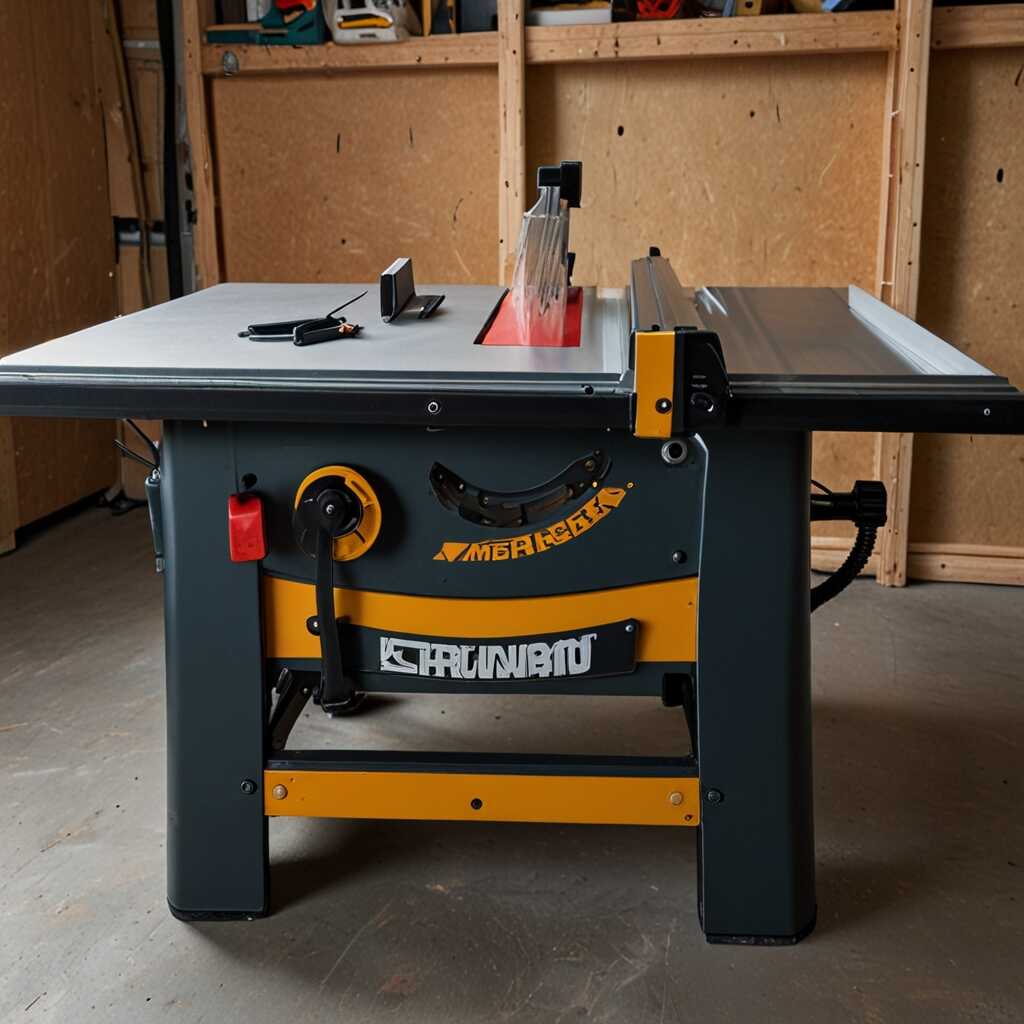
Common Pitfalls in Saw Maintenance to Avoid
Many users encounter common maintenance mistakes, such as neglecting blade cleaning, which can lead to poor cutting performance. Failing to check moving parts for lubrication can result in wear and tear, reducing the saw’s lifespan. It’s crucial to clean saw blades regularly to ensure optimal efficiency. Additionally, improperly storing saws can cause damage and affect their reliability. Ensuring that your tools are in a clean and dry environment will substantially enhance performance and durability. Regular maintenance is also often overlooked; saws require different attention levels depending on their type and usage to maintain high-quality performance.
Understanding the Importance of Preventative Maintenance
Preventative maintenance checks prolong the life of your saw and enhance its overall efficiency. For instance, schedule cleaning and lubrication based on the saw type. Circular and miter saws benefit from monthly maintenance, while heavy-use saws may need weekly attention. Using tools such as a maintenance log helps track these tasks. Avoiding neglected saw maintenance not only improves reliability but also helps you catch potential issues early, leading to better performance and greater safety. Following expert maintenance tips provides the best path to ensure your saws operate smoothly and effectively for years.
When and How to Replace Saw Blades Effectively
Knowing when to replace saw blades is essential for maintaining cutting efficiency. Signs of wear include visible damage like nicks or chips, and reduced cutting performance. If your saw struggles with cutting through materials, it may be time for a blade replacement. Several types of saw blades are designed for different scenarios, like rip blades for lumber and crosscut blades for plywood. A well-maintained blade can typically last for 3 to 12 months, depending on usage frequency and material type. Regular inspection and proper care enhance reliability and help ensure optimal performance throughout the blade’s lifespan.
Identifying Signs of Saw Blade Wear
Recognizing the signs of saw blade wear is critical for maintaining cutting efficiency. Look for frayed edges, discoloration, or buildup of resin and debris on the blade. In addition, listen for unusual sounds or vibrations when operating your saw. These are indicators that your blade may not be cutting well and needs replacement for quality performance. Regularly checking the alignment and sharpness of your saw blade allows you to catch these issues early. Proper storage and cleaning practices also enhance blade longevity, providing reliable cutting results and maintaining optimal performance in your woodworking tasks.
Target Audience and Usage Scenarios for Tool Maintenance
- Professional contractors value reliability for job sites.
- Weekend DIY enthusiasts need tools that are easy to maintain.
- Woodworking professionals seek precision for intricate tasks.
- Rental businesses want tools that withstand frequent use and care.
- Maintenance technicians focus on upgrades and longevity for client satisfaction.
- Homeowners appreciate cost-saving measures through proactive care.
- Gardeners prefer tools that enhance safety and efficiency for outdoor work.
Valuable Resources for Enhancing Your Saw Maintenance Knowledge
To enhance your saw maintenance knowledge, explore various resources focused on quality upkeep. Books and online articles from Innovative Saws provide helpful insights into saw care. Websites like YouTube also offer visual tutorials demonstrating maintenance procedures. User reviews about specific brands offer valuable perspectives on product reliability. Following expert reviews helps users discover the best maintenance practices for their tools. The number of essential maintenance procedures can vary, but generally, following five critical tasks greatly extends a saw’s lifespan.
Essential Maintenance Procedures for Saw Longevity
Essential maintenance procedures significantly enhance your saw’s performance and lifespan. Regularly cleaning the blade removes debris, improving cutting efficiency. Keeping moving parts lubricated ensures smooth operations and increases reliability. Proper storage protects your saw from damage and rust, contributing to durability. Regular inspections help detect issues early, maintaining quality performance. Following these procedures can help your saw last longer while providing excellent cutting results, ensuring it meets the demands of various tasks effectively.