Professional techniques for restoring dull saw blades can transform your cutting tools into reliable assets. Understanding effective sharpening methods and maintenance strategies is essential for any woodworker or contractor. At Innovative Saws, we emphasize the importance of maintaining sharpness to ensure optimal performance and safety in your projects. Our expert insights will guide you in extending the life of your cutting tools and achieving professional results.
Understanding the Significance of Keeping Saw Blades Sharp
Maintaining sharp saw blades is essential for optimal cutting performance and safety. Dull blades require more force, leading to fatigue and potential errors. Sharp saw blades enhance tool efficiency, providing cleaner cuts and reducing the chance of kickback during use. Regular sharpening promotes the longevity of blades by preventing damage and ensuring consistent performance. Methods like honing and grinding are effective for different saw types, enabling woodworkers and contractors to achieve precise results. As a rule of thumb, saw blades should be sharpened every 5-20 hours of use, depending on the material being cut.
Best Practices for Maintaining Sharpness in Saw Blades
To maximize the performance of sharp saw blades, users should adopt specific best practices. Cleaning saw blades after each use prevents resin and debris build-up, which can dull the edges. Lubrication of moving parts decreases friction while cutting, ensuring smoother operation. Proper storage, such as keeping blades in protective cases, minimizes the chance of accidental damage. Regularly inspecting the blades for wear will help in making timely sharpening decisions. Following these maintenance tips results in improved cutting efficiency, better safety, and extends the life of your cutting tools.
Identifying the Signs of Dull Saw Blades
Common signs of dull saw blades include difficulty in cutting, burning of materials, excessive noise, and frayed edges. When cutting becomes slow and requires extra pressure, it typically means the blade is dull. If the saw produces burning marks on wood or material, this indicates that it is not cutting cleanly. Users can also notice uneven or jagged edges on cut materials, suggesting the need for sharpening. Regularly inspecting your blades enhances their lifespan and ensures optimal cutting performance.
Understanding Effective Sharpening Techniques
Identifying the best sharpening techniques is essential for restoring the cutting efficiency of dull saw blades. Methods vary based on blade type, such as using sharpening stones, file systems, or electric sharpeners. For a handsaw, honing with a fine file reestablishes effective teeth geometry. Circular saw blades benefit from a grinding wheel designed specifically for carbide-tipped blades. Electric sharpeners provide precision and speed, enabling quick restoration. Utilizing a combination of techniques can significantly extend the life of your blades and improve reliability in performance.
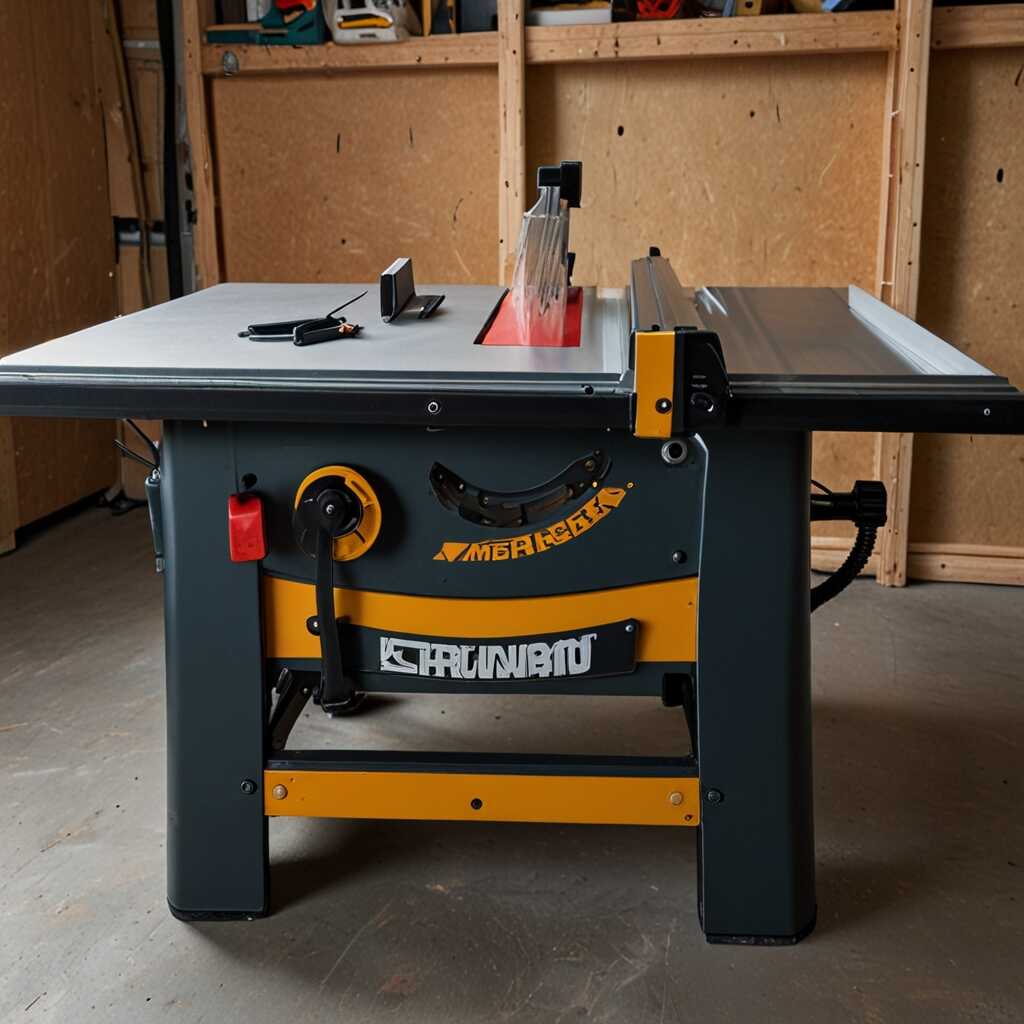
Exploring Professional Saw Blade Sharpening Techniques
Professional sharpening techniques include honing, grinding, and using sharpening jigs. Honing is a process that refines the edge and maintains blade performance. Grinding reshapes the blade edge, removing material. Sharpening jigs provide precision angle adjustments, ensuring the correct edge profile. For various saw blades like circular saws, miter saws, and band saws, each method has unique benefits.
Understanding Honing, Grinding, and Jigs in Detail
Honing maintains the sharpness of the blade while improving its reliability. You can use special honing compounds or stones for this process. Grinding removes more material, effectively reshaping the blade to restore its edge. Different saw blades require different angles during grinding; for instance, circular saw blades often need a 20-degree bevel. Sharpening jigs simplify this process, providing consistent angles for various saw types, maximizing efficiency and blade quality.
Interesting Facts About Tool Restoration and Maintenance
- Most dull saw blades can be restored to full sharpness through proper techniques.
- Using a sharpening stone can increase blade life by up to 50%.
- Regular maintenance can save professionals over $100 annually in tool replacements.
- Many experts recommend sharpening blades every 5-10 uses, depending on material.
- Quality saw blades can last up to 10 years with proper care and maintenance.
- Some blade types require specific sharpening angles for optimal cutting performance.
- Cleaning saw blades after each use can significantly extend their functional lifespan.

Essential Tools for Effective Blade Sharpening
To sharpen saw blades like a pro, essential tools include sharpening stones, sharpening jigs, and saw blade sharpeners. Sharpening stones come in different grits, such as coarse for initial shaping and fine for honing. Each tool enhances the sharpening process, improving the blade’s cutting performance. Quality tools increase reliability, making it easier to maintain optimal edge sharpness. Selecting the right sharpening tool can significantly impact the results. For example, sharpening jigs help to ensure accurate angles, providing consistent and professional outcomes. The right tools deliver efficiency, ensuring that you can handle various sharpening tasks effectively.
Understanding Sharpening Stones: Grit Types and Their Uses
Sharpening stones are crucial for maintaining blade quality and longevity. They come in varying grits to meet specific needs. Coarse grits, around 200-400, are designed for reshaping dull edges. Medium grits, typically 800-1000, refine the edge for improved performance. Fine grits, ranging from 2000-5000, polish the blade to a razor-sharp finish. Choosing the right grit ensures an effective sharpening process. Regular use of these stones enhances the blade’s cutting ability, making your saw more reliable. Always test the stone quality before use to ensure you get the best results for your sharpening needs.

Step-By-Step Instructions for Sharpening Saw Blades at Home
Sharpening saw blades at home is easy with the right tools and techniques. Essential tools include a sharpening stone or file, a vice to hold the blade, a marker or pen for marking teeth, and safety goggles. For various saw blades like circular, band, or miter saws, each has unique tooth shapes that require specific sharpening methods. Generally, the frequency of sharpening depends on usage; for regular use, sharpen every 5 to 10 hours of cutting or when performance diminishes.
Sharpening Different Types of Saw Blades
Each type of saw blade has distinct sharpening techniques to maintain efficiency. Circular saw blades often need a diamond sharpening wheel for quick and effective results. Miter saw blades require careful angle matching to preserve precision cuts. Band saw blades benefit from consistent filing along the tooth edges. Using the correct method for each blade enhances performance and prolongs tool lifespan. Follow the manufacturer’s guidelines for the best outcomes and consider using quality sharpening tools to achieve professional results.
Advantages of Effective Tool Care Techniques
- Restoring blades enhances cutting efficiency and speeds up projects.
- Using maintained blades minimizes the risk of accidents during cutting tasks.
- Sharpened blades reduce the physical effort needed for cutting, making it easier.
- Professionals notice improved precision with regularly maintained cutting tools.
- Maintained blades produce cleaner cuts, leading to better finished products.
- Regular care promotes safer working conditions for woodworkers and DIY enthusiasts.
- Taking care of tools can increase their resale value over time.

Best Practices for Maintaining Saw Blade Sharpness
To keep saw blades sharp, focus on several key maintenance practices. Good blade cleaning techniques help remove residues after each use. Use a brush or solvent to eliminate pitch and sap. Proper blade lubrication protects moving parts and reduces friction. Apply a light coating of oil to the teeth after cleaning. Saw blade storage is also crucial. Store blades in protective cases or hang them up to avoid dulling. Regular maintenance enhances cutting performance and prolongs the lifespan of your tools.
Effective Techniques for Blade Cleaning and Lubrication
Effective techniques for blade cleaning and lubrication involve using the right tools and materials. Use a specialized blade cleaner that dissolves contaminating substances. After applying the cleaner, scrub with a soft brush to lift stubborn particles. Rinse the blade with water and dry it thoroughly. For proper blade lubrication, choose a non-drying oil that adheres well to metal surfaces. Apply a thin layer of lubrication to the teeth and edges. This process ensures reliability and efficiency, contributing to a smoother cutting experience.
When to Consider Professional Sharpening Services
Users should consider professional sharpening services when their saw blades frequently become dull after intense use. If a blade shows signs of damage or chips, professional help ensures proper restoration and preserves cutting efficiency. Professional sharpening provides durability, as it incorporates advanced techniques that enhance performance beyond DIY methods. For users who utilize their saw blades for over 20 hours a week, seeking expert intervention every 3-4 months can optimize performance and lifespan. Choosing professional services ensures reliability and quality results, which are essential for serious projects.
Understanding the Benefits of Professional Sharpening
Professional sharpening services deliver superior results compared to DIY methods due to their experience and specialized equipment. Expert technicians use high-precision tools designed for sharpening various types of blades. They can accurately assess the condition of each blade, identifying issues that may not be visible to the untrained eye. By utilizing professional services, users can trust that their blades undergo a thorough testing and sharpening process. This guarantees that the blades remain effective longer, enhancing cutting precision and reducing the risk of injury through improved performance. Overall, this investment in quality sharpening leads to more successful projects for woodworkers and DIY enthusiasts.
Brands and Users Benefiting from Saw Maintenance Techniques
- Woodworkers prefer brands like DeWalt for their reliable performance and durability.
- DIY enthusiasts often favor Ryobi for budget-friendly options with decent quality.
- Contractors choose Bosch for precision and longevity in heavy-use scenarios.
- Hobbyists appreciate Rockwell for its ergonomic designs and user-friendly tools.
- Professionals frequently use Makita for its technology that enhances cutting accuracy.
- Students in trade programs learn on Milwaukee tools due to their robust construction.
- Gardeners utilize pruning saws from Fiskars for effective maintenance and ease of use.
Common Questions About Saw Blade Sharpening Answered
Effective methods for sharpening saw blades include using a sharpened file, specialized sharpening machines, or hone and grind tools. Each method can enhance the saw’s cutting efficiency. Users should sharpen blades after every 5 hours of use to ensure optimal performance. Different blade materials, such as carbide or high-speed steel, require specific sharpening techniques. For example, carbide blades often need diamond wheels for sharpening. Maintaining reliable and durable edges is essential for efficient cutting.
Understanding Blade Material Differences in Saw Sharpening
Different blade materials significantly impact sharpening techniques. High-speed steel (HSS) blades are commonly used due to their durability and heat resistance. They can be sharpened with traditional methods like whetstones or diamond files. Carbide-tipped blades, on the other hand, need specialized diamond sharpeners for effective maintenance. Innovative Saws provides guides on selecting these techniques based on blade material, enhancing the longevity and performance of each type. Proper maintenance is crucial for achieving consistent results.