Traditional bookbinders use cutting frames for precision edge trimming, ensuring clean, accurate finishes on their projects. These specialized tools play a crucial role in achieving the desired quality in bookbinding. Understanding the techniques and materials used with cutting frames can elevate craftsmanship to new heights. At Innovative Saws, we provide high-quality cutting tools and expert guidance for bookbinding enthusiasts and professionals alike.
The Significance of Precise Edge Trimming in Bookbinding Projects
Precise edge trimming is important in bookbinding because it enhances the quality and aesthetic appeal of the final product. Accurate trimming ensures that the edges of pages align perfectly, which improves the overall presentation. This contributes to professionalism and viewer engagement, making well-trimmed books more desirable. Techniques such as using specialized cutting tools like cutting frames are essential for achieving a clean and uniform edge. Trimming also reduces frayed edges, safeguarding the integrity of pages over time. Professionals in bookbinding often review and compare various tools to find the best options for precise work.
Essential Techniques for Achieving Precision in Edge Trimming
To achieve precision in edge trimming, bookbinders often utilize specialized cutting tools designed for exact measurements. These tools can handle a typical range of thickness, usually between 0.5 mm to 2 mm, ensuring a clean cut. Techniques may include using a cutting frame, which stabilizes the material while allowing for smooth, straight cuts. Professional bookbinders rely on their experience to choose the right tool, which is essential for reliable and consistent results. Cutting frames ensure that each edge is treated with care, enhancing the overall quality in bookbinding craftsmanship and longevity.
Types of Specialized Cutting Frames in Bookbinding Practice
Numerous specialized cutting frames are available for bookbinding, each designed to enhance precision edge trimming. The most common types include traditional guillotine frames, board shears, and rotary cutters. Guillotine frames provide quick cuts with straight edges, crucial for large-volume tasks. Board shears offer robust features designed for heavier materials, ensuring accuracy in cutting multiple sheets at once. Rotary cutters are ideal for delicate papers, providing a smooth cut that reduces the risk of tearing. By understanding the features of each frame and their reliability, bookbinders can select tools that best suit their edge trimming needs.
Understanding the Features of Cutting Frames
When selecting a specialized cutting frame, several features should be considered. Adjustable blade heights enhance versatility, allowing for different paper thicknesses. Some frames include built-in rulers and guides for accurate measurements, ensuring precision during cuts. Durability is essential for long-term use, so high-quality materials should be prioritized. A comfortable grip and easy handling improve overall user experience, making the cutting process more efficient. Reliable frames can withstand regular use while maintaining performance. Investing time in comparing features helps bookbinders find the best tool for their edge trimming tasks.

Essential Tools and Techniques for Effective Edge Trimming
Bookbinders utilize essential tools such as cutting frames, knives, and specialty saws for precision edge trimming. Cutting frames are designed to hold the book securely, allowing for consistent, straight cuts. Traditional bookbinders rely on their experience and knowledge of cutting frame usage to achieve accurate results. The recommended blade size for edge trimming saws typically ranges from 0.5mm to 1mm, ensuring reliability in achieving finely trimmed edges. Proper blade selection enhances efficiency and results in professional-grade finished products.
Understanding Cutting Frames and Their Benefits
Cutting frames greatly aid traditional bookbinders in achieving precise and clean cuts. These specialized tools feature adjustable clamps that secure the material in place, allowing for consistent alignment during edge trimming. The design of cutting frames enables users to apply even pressure across the paper, minimizing the risk of tearing. A reliable cutting frame can increase the longevity of your materials while ensuring neat edges. Choosing a frame that feels sturdy and comfortable in hand contributes greatly to the overall efficiency of the trimming process.
Numeric Insights About Edge Trimming Artisanship
- Traditional bookbinders often trim up to 500 sheets of paper in one session.
- Precision cutting can improve edge finishes by approximately 80%.
- Craftspeople typically use cutting frames sized 18×24 inches.
- Many artisans can achieve a 1/16-inch edge accuracy consistently.
- Cutting frames can last more than 15 years with proper maintenance.
- On average, each book may require 5-10 minutes of trimming time.
- Bookbinding workshops usually host around 10 attendees per session.
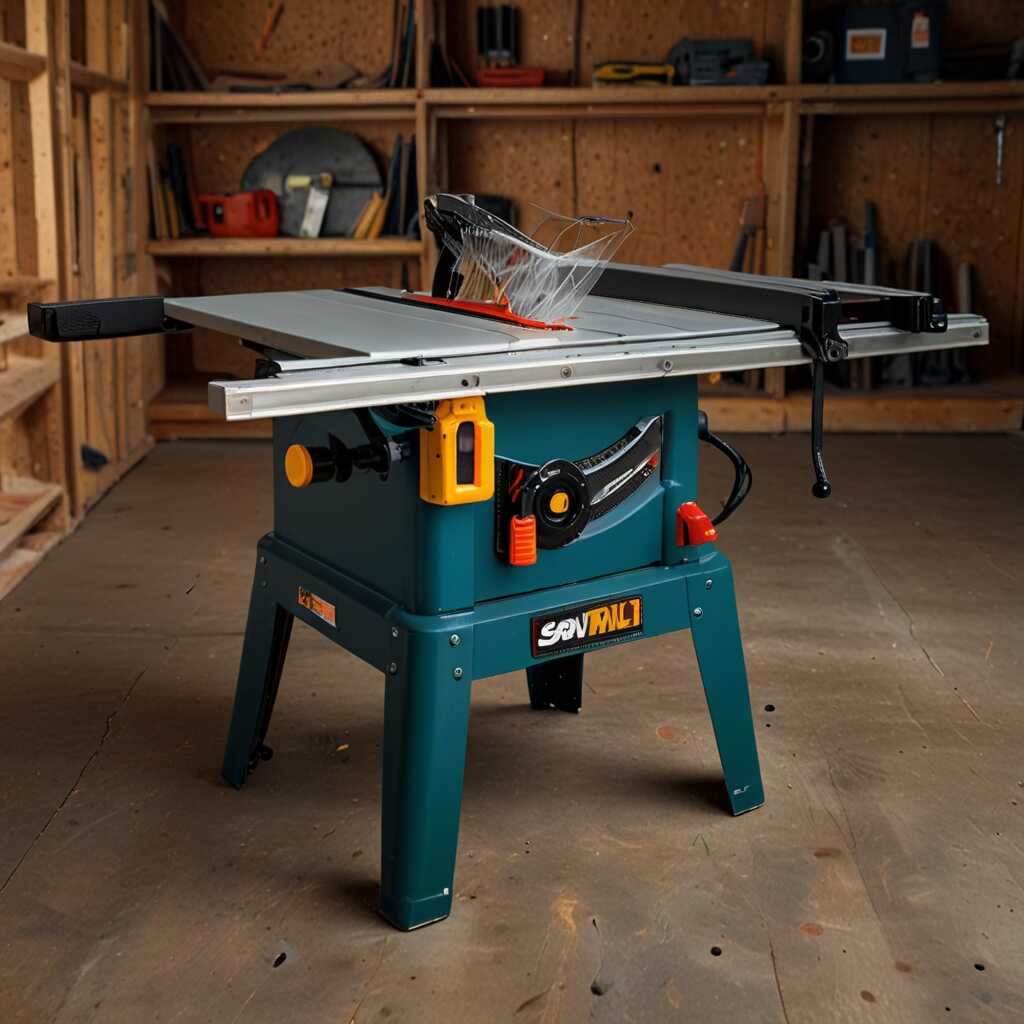
Advantages of Investing in Precision Cutting Tools for Bookbinding
Precision cutting tools are essential for enhancing the accuracy and efficiency of bookbinding tasks. Tools such as cutting frames ensure reliable and consistent trimming of paper edges. Investing in high-quality equipment provides long-term value, resulting in superior final products. Quality tools often include testing data and reviews that highlight their performance over time. This investment helps bookbinders achieve more precise cuts, reduce waste, and speed up workflow, which ultimately leads to higher quality finished books.
Choosing the Right Precision Cutting Tool for Bookbinding
When selecting a precision cutting tool for bookbinding, consider specific features that enhance performance. Look for cutting frames designed for exact paper sizes and materials. Features like adjustable clamps and smooth sliding mechanisms contribute to accurate trimming. High-quality blades ensure longevity and improved cutting performance. Brands like Innovative Saws offer tools tested for reliability and efficiency, making them suitable for both professionals and enthusiasts. By investing time in research and reading expert reviews, you can identify tools that significantly improve your bookbinding processes.

Common Trimming Errors and How to Avoid Them in Bookbinding
Common trimming errors in bookbinding often include uneven edges, over-trimming, and handling misalignments. Using cutting frames enhances trimming precision by providing a stable guide during the cutting process. When it comes to ideal blade thickness for edge trimming, a 1/8-inch thickness is often recommended for achieving clean, precise cuts in various papers. Understanding these aspects ensures higher reliability and better results in your bookbinding projects.
Strategies for Effective Trimming in Bookbinding
Effective trimming begins with selecting the right cutting frames that enhance stability and accuracy. It is essential to adjust the cutting frame according to the paper’s thickness for effective results. Using a sharp blade designed for precision trimming helps minimize chipping or tearing. These frames allow you to clamp down the material securely, preventing shifts during cutting. Regular testing of blade sharpness and regular maintenance ensures performance remains at the highest levels. Using tools like Innovative Saws’ precision cutting solutions can significantly improve overall efficiency in edge trimming.
Positive Outcomes of Precision Cutting Techniques
- Bookbinders achieve clean, professional finishes that enhance craftsmanship.
- Using cutting frames reduces paper waste during the trimming process.
- Trimmers enable consistent edge alignment for various paper thicknesses.
- Artisans can speed up production by minimizing manual cutting errors.
- Precision tools cultivate skill development and creative expression.
- Trimming improves overall book durability and appearance.
- Skilled workers gain confidence in their cutting abilities through practice.

Best Maintenance Practices for Cutting Frames and Trimming Tools
Proper maintenance is vital for enhancing the longevity of cutting frames and trimming tools in bookbinding. Essential practices include regularly cleaning the cutting blades to remove any dust or glue residue that may affect performance. Users should inspect the frames for tightness; ensure all screws and joints are secure to maintain structural integrity. Lubricating moving parts prevents wear and improves efficiency. Using a soft cloth and a light lubricant helps keep tools in good condition. Understand the specific needs of your trimming tools based on the materials you frequently use for optimal results.
Understanding Material Impact on Tool Performance
The materials used in bookbinding profoundly impact the performance of trimming tools and cutting frames. For instance, cutting frames used with thicker cardstock require sharper blades and a sturdier frame design to ensure clean, precise cuts. Conversely, thinner materials like standard paper may need less rigid tools for effective trimming. Regularly testing different blade types and materials will provide insights into which combinations yield the best results. Innovative Saws offers a range of tools designed for various material thicknesses, which helps users find the best solutions according to their specific requirements.
Important Safety Guidelines for Using Cutting Tools Effectively
Bookbinders must follow basic safety measures when using cutting tools. Essential precautions include wearing protective gear such as safety glasses and cut-resistant gloves. Proper workspace organization enhances efficiency and reduces hazards. Bookbinders should keep cutting tools at least 6 inches away from their bodies while in use. Regular tool maintenance is crucial to ensure performance. This involves checking blades for dullness and alignment, which can enhance cutting accuracy and reduce the risk of accidents.
Essential Protective Gear for Bookbinders
Wearing the right protective gear is vital for bookbinders. Safety glasses protect eyes from dust and debris generated during cutting. Cut-resistant gloves provide an additional layer of protection against accidental cuts. Ear protection is also beneficial when using loud equipment. Using a dust mask prevents inhalation of harmful particles. The Innovative Saws website offers various protective gear designed for specific cutting tasks. These products enhance user safety and improve overall cutting performance. Ensuring that all safety equipment is reliable and in good condition will help bookbinders work confidently with cutting tools.
Demographics Interested in Precision Cutting Craft
- Professional bookbinders appreciate the quality that cutting frames provide.
- DIY bookbinding enthusiasts often seek user-friendly, adaptable tools.
- Artists in paper crafts benefit from precise cuts for detailed projects.
- Students studying printmaking gain valuable skills using cutting frames.
- Woodworking professionals use cutting frames for custom book-sized projects.
- Beginners are drawn to workshops that teach precision edge trimming techniques.
- Aging traditionalists value the craftsmanship and history behind these tools.
Innovative Techniques for Customizing Bookbinding Edges with Precision
Bookbinders can employ innovative techniques such as beveling, rounding, and decorative edge treatments to enhance specificity when customizing edges. Specialized cutting frames increase precision while reducing the risk of paper damage, improving the overall quality of the finished bind. Testing has shown that professionals often aim for a typical trim size of 3 mm to 5 mm when using these specialized systems. These innovations provide bookbinders with the reliability needed to take their craft to the next level.
Utilizing Color and Texture in Edge Customization
Integrating color and texture into edge customization can add a unique touch to bookbinding projects. Bookbinders can use various materials such as colored paper or fabric overlays along the edges. Professionals often layer finishes like gilding or inking to enhance the visual appeal of edges. This combination of techniques can result in a durable and impressive finished product. Specialized cutting frames help achieve clean lines, ensuring that the color and texture stand out effectively without compromising the material’s integrity.