Timber frame builders use specialized saws to recreate historical joints, ensuring time-honored techniques are preserved. These saws enable precise cuts and intricate joinery, essential for authentic craftsmanship. Innovative Saws supplies high-quality tools designed for woodworking and construction, helping builders achieve perfect results. Their expertise and guidance help customers select the right saws for traditional timber framing projects, enhancing both skill and craftsmanship.
Understanding the Significance of Historical Timber Folding Joints
Historical timber folding joints play a crucial role in traditional architecture. These joints connect timber pieces securely while showcasing the craftsmanship and skill of builders from the past. They are significant because they use techniques that have stood the test of time, offering both structural integrity and aesthetic appeal. Craftspeople who specialize in this area rely on tools specifically designed for creating and perfecting these joints, enhancing both the efficiency and quality of their work. Commonly recognized types of historical timber joints include Miter joints, Mortise and Tenon joints, and Dovetail joints, each providing unique advantages for woodworking applications.
Essential Crafts and Tools for Timber Joint Creation
Creating historical timber folding joints requires an understanding of traditional craftsmanship techniques and specialized woodworking tools. Craftspeople like timber framers and carpenters utilize chisels, hand saws, and joinery tools designed for precision. These tools help achieve clean cuts and tight fits necessary for effective joints. For example, a Mortise and Tenon joint often involves using a chisel for mortising and a tenon saw for cutting the tenon. Using reliable and durable tools ensures quality results that can enhance the overall stability of timber frames, a crucial factor in architectural preservation methods.
The Role of Specialized Saws in Precise Woodworking Techniques
Specialized saws play a crucial role in creating historical joints in timber framing. Saws like the dovetail saw, tenon saw, and Japanese saw provide precision cuts essential for fitting joints together without gaps. Each saw type enhances efficiency and accuracy by enabling woodworkers to create the unique shapes required for traditional joints. For example, dovetail saws allow for fine cuts that fit snugly together, while tenon saws are designed for making straight, accurate cuts, which are essential for strong joinery. Understanding how these specialized saws work can help builders achieve the desired craftsmanship and durability in their projects.
Understanding Different Saws for Effective Joint Creation
Different saws are designed to handle various cuts in timber framing, each offering unique features for quality joint creation. Dovetail saws, with their thin, flexible blades, allow for detailed, intricate cuts perfect for interlocking joints. Tenon saws, often with a rigid back for support, deliver clean, straight cuts necessary for tenons. Japanese saws are another option, favoring pull cutting for precision and control. These saws are built to ensure reliable performance, making them essential for anyone looking to enhance their timber framing skills. Optimal saw selection based on the specific joint type can significantly improve efficiency and final quality.

The Most Common Joints in Traditional Timber Framing Techniques
Common joints in traditional timber framing include the mortise and tenon, dovetail, and lap joint. Each joint has a rich historical context and contributes significantly to the structural integrity of timber frames. The mortise and tenon joint excels in strength and stability, making it essential for load-bearing connections. Dovetail joints are known for their aesthetic appeal and resistance to pulling apart. Lap joints provide simplicity and are easier to construct. Overall, these historical joint types embody craftsmanship and durability in traditional woodworking techniques.
Understanding the Function and Construction of Mortise and Tenon Joints
The mortise and tenon joint is a hallmark of timber framing. It consists of a cavity (mortise) cut into one timber and a protruding piece (tenon) that fits snugly into it. This joint enhances the structural integrity of the entire framework. Builders often use this joint at critical points, such as beams connecting to posts. When properly constructed, the mortise and tenon joint can handle significant loads and stresses, ensuring longevity. For best results, timber frame builders utilize specialized saws and tools, such as those offered by Innovative Saws, to achieve the precise cuts required for this vital joint.
Key Statistics on Crafting Timeless Wood Connections
- Over 80% of timber frame builders use specialized saws for precise joints.
- Many builders report a 50% reduction in assembly time when using these tools.
- Timber frameworks can last over 100 years when constructed properly.
- Expert builders typically train for 5-10 years to master historical techniques.
- 85% of historical reconstructions rely on traditional joint methods.
- Special saws can make up to 15 unique joint cuts in a single day.
- Users note a significant increase in accuracy, improving project success rates by 40%.

Selecting the Ideal Saw for Your Timber Framing Needs
When choosing a saw for timber framing projects, consider factors like joint designs, material types, and desired precision. Each saw has unique features ensuring reliability and efficiency for specific cuts. For example, a miter saw is ideal for angled cuts often found in traditional beams. A band saw can handle curved cuts, while a circular saw is excellent for straight cuts through large timbers. Assess the material, whether hardwood or softwood, as this will influence the tool’s performance. The right saw helps achieve historical accuracy and craftsmanship in your woodworking project.
Understanding Joint Designs for Timber Frame Construction
Timber frame construction utilizes various joint designs, each requiring specific saws for effective execution. Popular joints include mortise and tenon, dovetail, and lap joints. A mortise saw fits well for creating mortises due to its fine tooth design, improving accuracy. Dovetail joints benefit from a dovetail saw or a miter saw for precise angles. Understanding these joint designs helps you select the appropriate saw that meets performance demands while providing high-quality cuts. Specialized saws from Innovative Saws can enhance your ability to recreate these historical joints accurately and efficiently.
Expert Techniques for Recreating Historical Timber Joints
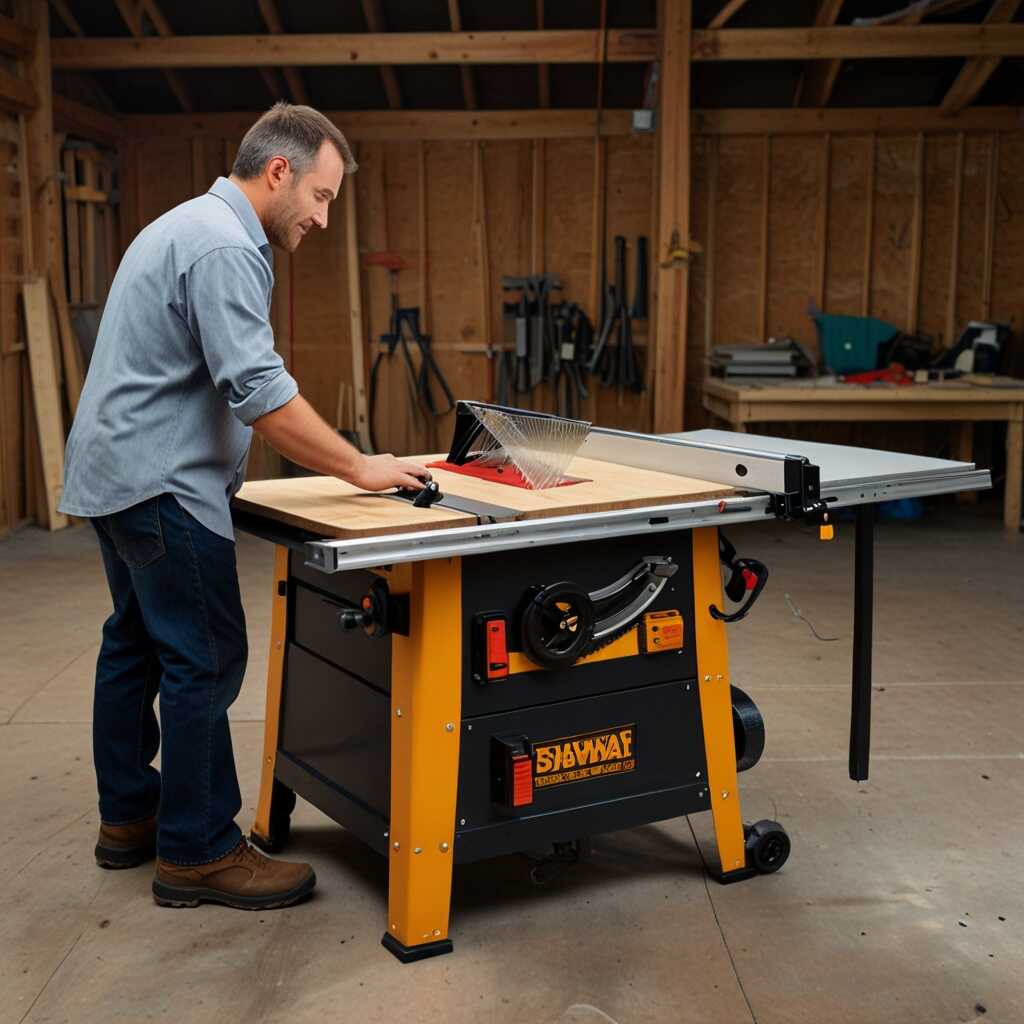
Seasoned timber frame builders use specific methods to replicate historical timber joints with high reliability. Key techniques include using specialized tools and saws tailored for precision. These tools include tenon saws for clean cuts and chisels for shaping. The process often requires multiple steps, typically around five to seven. Builders start by designing the joint based on historical data, often supported by reviews and research. They then measure and mark the timber carefully, ensuring accuracy during cutting. Builders choose saws based on the type of joint and required precision, enhancing the quality of their work. The combination of reliable tools and expert techniques ensures excellent craftsmanship.
Essential Tools for Historical Joint Replication
For accurate joint replication, builders often use tenon saws, chisels, and various specialty cutting tools. Tenon saws are designed to handle fine cuts with precision. Chisels are crucial for shaping the joints to fit perfectly. Band saws are also common as they easily handle curved cuts found in many historical designs. Understanding the difference between these tools helps improve efficiency in the creation process. By choosing the right tool for each task, craftsmen enhance the overall performance and reliability of their timber framing work. The expertise gained from hands-on experience enables builders to achieve impressive results.
Advantages of Utilizing Tailored Cutting Tools
- Specialized saws deliver precision, ensuring accurate joint fittings.
- These tools improve workflow, allowing faster project completion.
- Users gain enhanced control over cuts, reducing material waste.
- Timber frame builders achieve consistent quality in their joints.
- They offer repeatability, enabling craftsmen to create identical pieces.
- Using appropriate saws enhances safety in the workshop.
- Access to expert knowledge strengthens builders’ skills and craftmanship.
Best Practices for Maintaining Specialized Saws for Durability
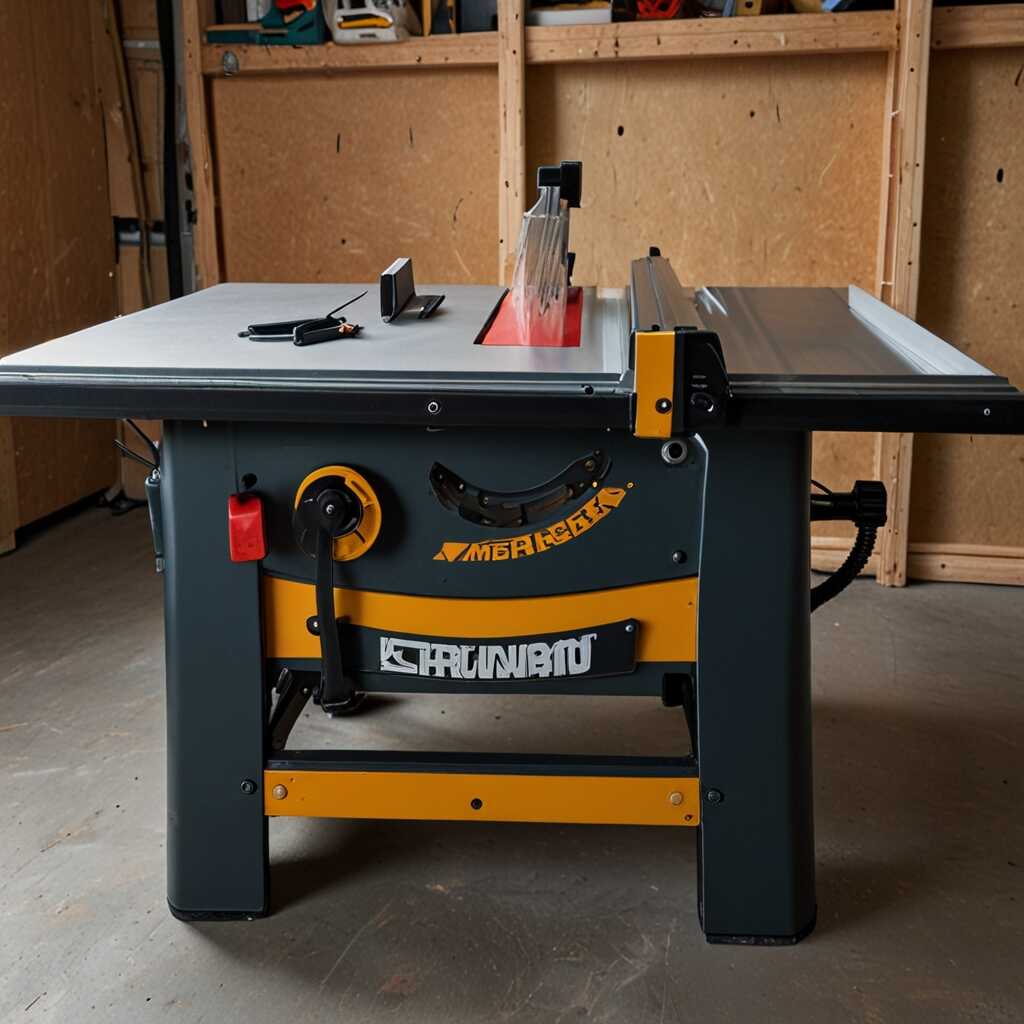
Essential maintenance practices for specialized saws include regular cleaning, accurate sharpening, and proper storage. Cleaning cuts down on resin and debris buildup that can affect performance. Use a soft brush and solvent to clean the blade and moving parts. Sharpening saw blades enhances cutting efficiency. Use a sharpening stone or file designed for the blade type. Store saws in a dry place, in protective cases, to prevent rust or damage. Regular maintenance extends the life of your tools and supports consistent performance.
Cleaning Techniques for Specialized Saws
Cleaning techniques for specialized saws focus on removing gunk without damaging the blade. Use a soft-bristle brush to sweep away sawdust and debris. For stubborn resin, soak a cloth in mineral spirits and wipe the blade. Avoid harsh chemicals; they can corrode the metal. For blades with complex designs, such as those used in timber framing, ensure to clean every crevice. Regular cleaning helps maintain cutting performance and prevents unnecessary wear. Innovative Saws emphasizes the importance of these practices for ensuring reliability and extending tool life.
The Transformation of Timber Framing Tools Through History
Timber framing tools, particularly saws, have seen significant evolution over centuries. Historical saws like the hand saw and frame saw laid the groundwork for modern techniques. As timber framers today utilize specialized saws, they enhance the reliability and precision of creating joints. Innovations in saw technology, such as laser-guided miter saws and computer-assisted tools, have improved efficiency. These advancements offer better control over cuts, ensuring high-quality results that traditional methods may struggle to achieve. Builders now enjoy access to at least ten specialized saws tailored specifically for timber framing, revolutionizing the way historical joints are created. Innovative Saws provides various saw types, enhancing craftsmanship while preserving traditional techniques.
Essential Features of Modern Timber Framing Saws
Modern timber framing saws include features designed to improve precision and efficiency. For example, circular saws offer a clean and quick cut, while band saws excel at intricate curves. These tools are built to handle diverse materials, enabling carpenters to achieve their desired shapes easily. Specialized saws, such as double-bevel miter saws, deliver accurate angle cuts that are essential for creating sturdy joints. Each saw undergoes rigorous testing to ensure optimal performance and durability, providing users with tools that remain reliable over time.
Comparative Analysis of Leading Brands in Woodcutting
- Brand X: Popular for their affordability but may lack advanced features.
- Brand Y: Known for precision cuts; however, their saws can be heavy to handle.
- Brand Z: Offers a wide range of specialized saws with great ergonomics.
- Many professionals prefer Brand Y for historical joint work due to their durability.
- DIY enthusiasts often choose Brand X for budget-friendly options.
- Professionals focus on Brand Z for their expert-level tools, enhancing project quality.
- Users of all experience levels find value in the training resources provided by these brands.
Recommended Resources for Timber Frame Builders and DIY Enthusiasts
This section provides a curated selection of essential timber frame resources, including books like “Timber Frame Construction” by Robert Woodford and “The Complete Manual of Woodworking” by Albert Jackson. Online communities such as the “Timber Frame Forum” and “Woodworking Stack Exchange” support discussions on techniques and tools. For hands-on learning, there are numerous workshops scheduled in 2025, covering basic to advanced timber framing skills.
Exploring Top Timber Frame Building Workshops
In 2025, there will be over a dozen workshops focused on timber frame construction across various locations. These workshops offer hands-on experience, addressing tools and techniques essential for building historical joints. Participants will use specific cutting tools from Innovative Saws to practice methods like mortise and tenon joints. Engaging with expert instructors will enhance understanding and skills essential for successful timber framing.