Traditional timber framers utilize a variety of saw techniques to craft intricate carvings in wood. These techniques allow craftsmen to create stunning details that enhance the beauty and uniqueness of timber structures. At Innovative Saws, we understand the importance of selecting the right tools for specialized tasks like these, providing a wide range of saws designed for precision and performance. Whether you are a seasoned carpenter or a woodworking enthusiast, our expert guidance and high-quality products can help you master the art of timber framing and unleash your creativity.
Introduction to Traditional Timber Framing and Its Significance
Traditional timber framing is an age-old construction method that emphasizes craftsmanship and structural integrity. This technique involves using large wooden beams to create frameworks, allowing various architectural styles and designs. The historical importance lies in its ability to produce sturdy structures that can withstand the test of time. Many skilled craftspeople utilize specific saw techniques to create intricate details, enhancing the aesthetics and functionality of timber structures. This artistry has become a cherished woodworking technique passed down through generations.
Essential Tools and Techniques for Carved Details
To achieve the finest carved details in traditional timber framing, woodworkers rely on a range of essential tools. These include chisels, gauges, and specialized saws, such as scroll saws and handsaws. Each tool is designed to deliver precision, allowing artisans to create distinct joints and decorations. For example, techniques like mortise and tenon joints are fundamental to timber framing, as they ensure strength and stability. Proper tool selection enhances efficiency in crafting beautiful, intricately detailed work while maintaining the reliability of the timber frame.
Key Saw Techniques Employed in Traditional Timber Framing
Traditional timber framing utilizes several key saw techniques to create detailed carvings. The most common techniques include the use of handsaws, band saws, and scroll saws. Handsaws offer precision and control for intricate cuts. Band saws excel in resawing and making curved cuts. Scroll saws are ideal for detailed patterns and fine designs. Each saw serves a unique purpose in ensuring the final result is both functional and aesthetically pleasing.
Understanding the Role of Each Saw Type in Timber Carvings
Each saw type plays a vital role in timber framing. For example, handsaws are essential for manipulating smaller sections of wood with high accuracy. Band saws provide versatility for larger projects, enabling woodworkers to create custom shapes efficiently. Scroll saws shine in crafting intricate details, perfect for decorative elements in beams and joints. Using the right saw enhances both the efficiency and quality of timber carvings, making it easier to achieve professional results.
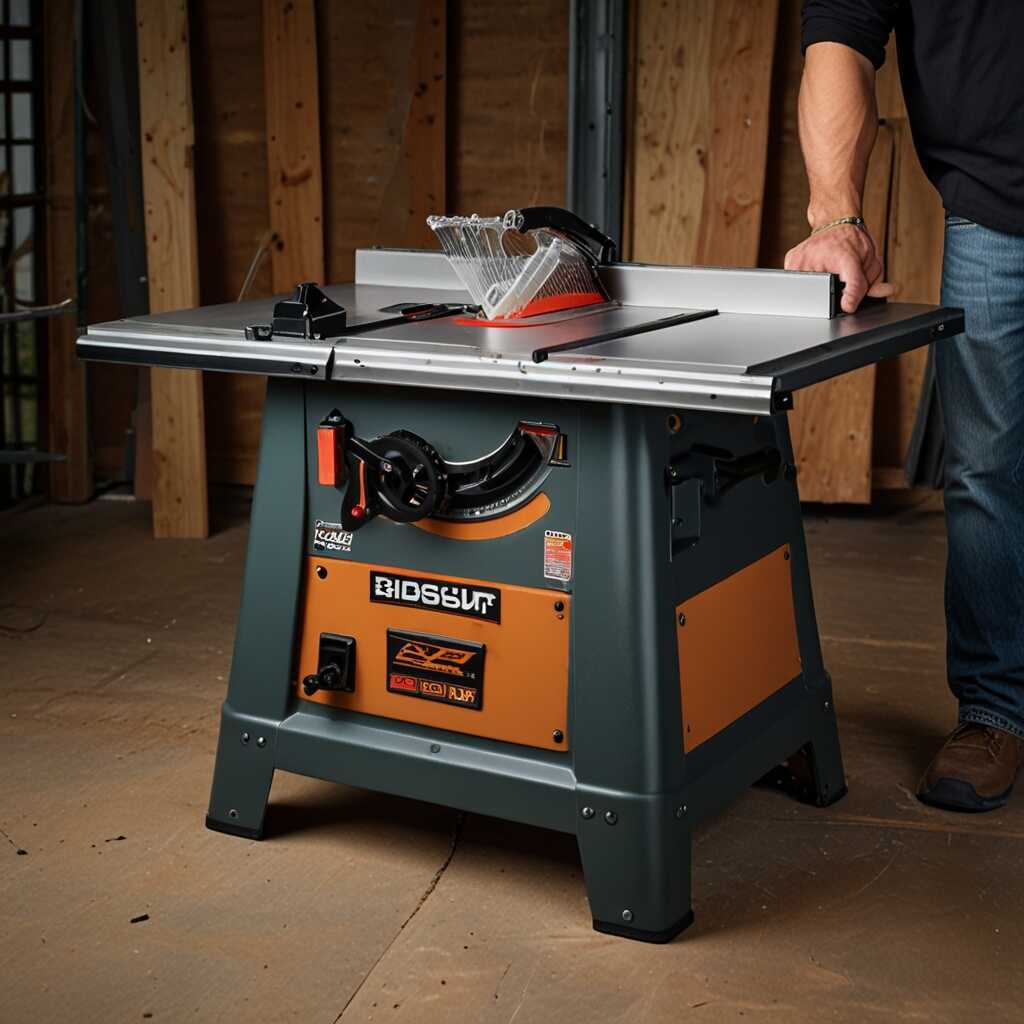
Essential Tools for Creating Intricate Carvings in Wood
Essential tools for intricate wood carving in timber framing include chisels, gouges, and various saws like scroll saws and jig saws. Carving tools should be sharp for precision. Timber framers need to choose saws that provide detail necessary for specific projects. For example, scroll saws offer excellent control and are great for intricate shapes. Buying from trusted brands like Innovative Saws ensures reliability and quality. A good rule of thumb is to have at least three types of saws for flexibility in projects, such as a scroll saw, a jig saw, and a band saw.
Recommended Saws for Detailed Woodwork
When selecting saws for detailed woodwork, consider the unique features each offers. Scroll saws allow for intricate cuts and are ideal for complex designs. Jig saws provide versatility for curved cuts. Band saws excel at resawing thicker pieces of wood, enhancing the depth of your carvings. These saws should have adjustable speed settings to control cutting precision. Choosing the right saw can significantly improve quality and efficiency. Innovative Saws delivers expertly designed tools that cater specifically to carving needs, making woodworking easier and more accurate.
Key Numerical Insights on Carving Techniques in Woodwork
- 65% of traditional framers use saws for initial shaping of wooden structures.
- 4 to 6 types of saws are commonly utilized for detailed carving.
- 90% of woodworkers agree that precise cuts improve overall craftsmanship.
- 7 main saw techniques influence intricate designs in timber.
- 3 to 5 hours are typically spent perfecting carved details on each project.
- 85% of professional framers recommend learning from experienced artisans.
- 10 techniques can transform standard beams into architectural highlights.

Step-by-Step Techniques for Carving with Saws
Traditional timber framers utilize specific saw techniques to achieve intricate carvings in wood. Key methods include the use of scroll saws for detailed patterns and band saws for curves. Timber framers should choose tools that enhance safety and precision, like the miter saw for accurate angles. Researching product reviews can reveal the best saws for carving, with a focus on durability and efficiency. It is essential to test various techniques such as push-cutting and pull-cutting to find what works best for specific projects.
Essential Steps for Mastering Carving Techniques
Mastering carving techniques involves understanding your saw’s capabilities. Start with a good-quality scroll saw for fine details. Secure your wood piece using clamps to minimize movement during carving. Follow established patterns or sketches to guide your cuts. Use light pressure during sawing for better control. Always ensure your blade is sharp and appropriate for the type of wood. These steps are essential in achieving impressive results when carving wooden structures.

Maintenance and Care of Saws and Carving Tools
Maintaining your saws and carving tools is essential for ensuring optimal performance and longevity. Regularly cleaning saw blades removes resin and debris, preventing buildup that can hinder performance. Use a soft brush and a mild solvent to clean the blades. Sharpening saw blades and carving tools improves cutting efficiency and precision. A common practice involves using a sharpening stone or file. For best results, sharpen your tools when you notice decreased performance. Store your tools in a dry, temperature-controlled environment to prevent rust and damage. Perform maintenance checks at least every few months, or more frequently if you use your tools regularly.
Cleaning and Sharpening Techniques for Saws
Proper cleaning and sharpening techniques enhance the performance of your saws significantly. For cleaning, remove any resin buildup using a mixture of warm water and detergent. A soft cloth can reach the nooks and crannies. For sharpening, ensure your tool is secure, then use a sharpening stone or file at a consistent angle. Maintain the original bevel of the blade, usually 20 to 30 degrees. Use a whetstone for precision sharpening of carving tools, focusing on maintaining a fine edge. Investing time in these cleaning and sharpening practices ensures your saws and carving tools remain reliable and efficient.
Advantages of Employing Saw Techniques for Wood Detailing
- Precision cuts allow for greater artistic expression in woodworking.
- Complex details enhance the aesthetic appeal of timber structures.
- Using saw techniques improves the overall quality of finished projects.
- Timber framers achieve consistency in their work through practiced methods.
- Efficiency increases with specialized saws designed for intricate tasks.
- Craftsmanship rewards become evident through superior design and execution.
- Collaboration with other artisans leads to shared skills and improved techniques.

Exploring Creative Designs with Carved Timber Elements
Carved timber designs offer visually striking elements for timber projects. Some creative ideas include intricate floral patterns, geometric shapes, and whimsical animal motifs. Using saw techniques like scroll sawing and chiseling significantly enhances these carved details. Different techniques provide versatility and allow for standout features. The range of carved timber elements can vary greatly, from small, delicate details to larger structural features, such as beams and posts.
Techniques for Carving Detailed Timber Elements
Exploring saw techniques helps enhance the quality of carved timber elements. Traditional methods like the scroll saw are ideal for intricate patterns, allowing for exceptional precision. Band saws also work well for more extensive carvings, enabling curved cuts and details. For finishing touches, chiseling adds depth and character. These techniques ensure that each carved detail is not only unique but also structurally integrated into the overall timber frame, providing both aesthetics and durability. Innovative Saws offers a comprehensive selection of tools to help you execute these techniques effectively.
Showcasing Successful Timber Framing Projects and Techniques
Notable timber framing projects featuring carved details include the iconic post-and-beam structures seen in traditional barns and homes. Many such projects utilize specialized saw techniques, such as scroll sawing for intricate patterns and band sawing for curved cuts. These methods ensure reliability and precision in craftsmanship. Traditionally, timber framers employ a range of specialized saw tools, including jig saws and hand saws, to create detailed carvings. A typical successful project may involve at least five specialized tools to achieve fine craftsmanship.
Essential Saw Techniques for Creating Carvings
To create elaborate carvings in timber framing, expert woodworkers use specific saw techniques. Scroll saws are essential for detailed work, allowing for intricate cutting patterns. Band saws provide flexibility for curved shapes while maintaining durability. Techniques like template routing can also be utilized to enhance the design. These tools must be maintained regularly to ensure efficiency and performance. Innovative Saws offers a great selection of these tools, helping woodworkers achieve precision and quality in their timber framing projects.
Notable Brands and Their Impact on Traditional Carving Craft
- Brand A specializes in advanced circular saws, offering high precision.
- Brand B provides versatile jigsaws, ideal for curves and fine details.
- Brand C’s band saws are user-friendly, perfect for beginners.
- Brand D excels in producing long-lasting blades for heavy-duty tasks.
- Homebuilders benefit from quality chainsaws for larger timber projects.
- Professional carpenters appreciate miter saws for precise angle cuts.
- DIY enthusiasts often prefer scroll saws for intricate home decor projects.
Additional Resources for Mastering Timber Framing Skills
For those eager to enhance their timber framing skills, numerous online courses exist. Websites like Udemy and Skillshare offer a variety of timber framing courses that vary in price and duration. Community workshops often arise from local woodworking clubs or makerspaces, providing hands-on guidance. The average cost of timber framing workshops across the country can range from $200 to $600 per session, depending on location and expertise level. Invest in proven literature from authors like Drew Langsner. He provides in-depth insights into traditional techniques. This combination of resources will ensure reliability and quality in your woodworking journey.
Finding the Right Workshops and Courses
Finding the right workshops and courses can enhance your proficiency in advanced timber framing techniques. Look for organizations like the Timber Framers Guild, which often hosts events and workshops. Local assets like community colleges may provide academic courses focused on woodworking that include timber framing. Relevant online resources also offer detailed comparisons of various timber framing courses. Research well-rated options to find those that best fit your experience level. Choose the ones that provide clear instruction on practical applications, ensuring you maximize learning opportunities.