Constructing custom nesting boxes for wildlife using jigsaw techniques is a rewarding project that benefits nature. This article guides you through step-by-step instructions for crafting effective habitats for birds and other wildlife. With the right tools and materials, including the precision jigsaws from Innovative Saws, you can create safe and inviting spaces for various creatures. Understanding design and maintenance best practices will also help you support local wildlife and enhance your woodworking skills.
Key Tools for Safely Building Nesting Boxes
When constructing nesting boxes, selecting the right tools is essential for effectiveness and safety. Jigsaws are particularly advantageous because they are lightweight, portable, and highly maneuverable, allowing for intricate cuts. Features such as variable speed settings enhance reliability, enabling users to adjust based on the material being cut. A quality jigsaw with a tilting base plate can manage angled cuts, which may be required in certain designs. Always ensure safety measures are in place, like wearing goggles and using clamps. Understanding tool selection will improve both performance and comfort during construction, helping you create the best habitat for wildlife.
Choosing the Right Jigsaw for Your Projects
Choosing the right jigsaw involves understanding its features and how they impact your nesting box project. Look for a jigsaw with a powerful motor that delivers enough torque for thick materials like plywood. A saw with orbital action enhances cutting speed and efficiency, making it easier to navigate curves and corners. Ensure it has comfortable grips for extended use and a base that allows for stable cutting on uneven surfaces. Reliable blade options, like bi-metal blades, provide versatility and durability while minimizing wear. With these considerations, your jigsaw can significantly enhance your woodworking experience.
Wildlife Habitat Requirements for Success
Different wildlife species have varying habitat needs when it comes to nesting boxes. Birds, for example, typically require boxes that mimic natural cavities. These boxes often need specific dimensions, entry holes, and insulation material. Small mammals like squirrels need larger spaces and strong structures to avoid predators. Insects like bees benefit from nesting boxes that include specific materials like untreated wood for nesting. Different species exhibit unique preferences for height, location, and surroundings. For example, woodpeckers prefer nesting locations high in trees while bluebirds enjoy open fields. Designing your nesting boxes with these wildlife habitat needs ensures successful wildlife habitation.
Design Considerations for Custom Nesting Boxes
When creating custom nesting boxes, consider the unique preferences of different species. Box dimensions should accommodate the target species. For example, bluebird nesting boxes typically measure around 5.5 inches deep and 6 inches wide. Use durable, natural materials to withstand weather and provide insulation. The entrance hole size is crucial; for example, chickadees need a 1.25-inch hole while owls require a larger opening. Location is also vital; position boxes in areas sheltered from wind and direct sunlight. Including natural vegetation nearby enhances the environment and provides food sources, making your nesting boxes more effective for the wildlife surrounding them.
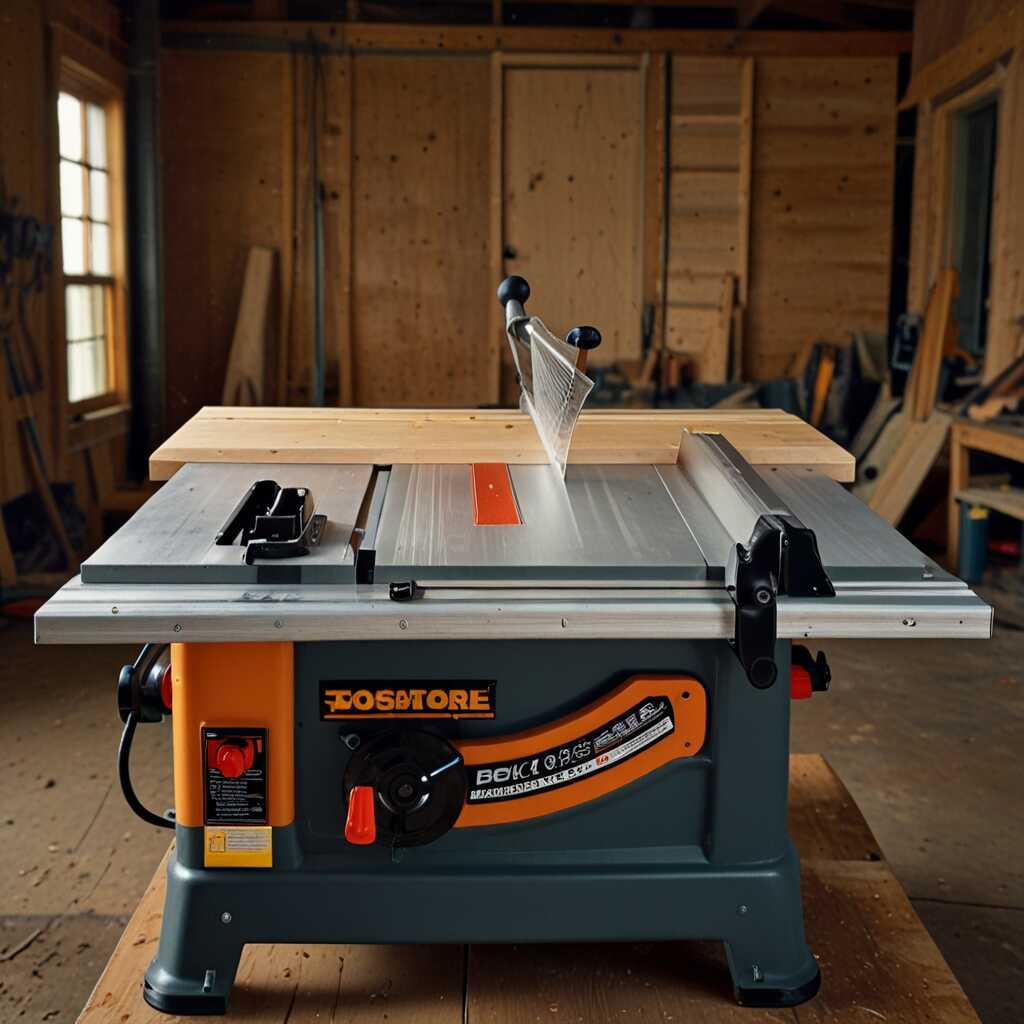 Step-by-Step Techniques for Using a Jigsaw
Using a jigsaw effectively involves several essential techniques. Begin by choosing the right jigsaw blade. Different materials, such as wood, metal, or plastic, demand specific blade types for optimal performance. Band saw blades are excellent for wood, while bi-metal blades work best for metal. Ensure the material is securely clamped. This enhances cutting accuracy and prevents accidents. Safety measures are crucial when operating a jigsaw. Always wear goggles and ear protection. Carry the jigsaw with the blade pointing downward. Lastly, maintain a clean workspace to eliminate tripping hazards.
Understanding Jigsaw Blade Types for Various Materials
Different jigsaw blade types cater to diverse material needs. Choosing the correct blade enhances cutting efficiency. High-speed steel (HSS) blades are suitable for wood. For thicker wood, use a tooth count between 6-10 TPI (teeth per inch) for fast, rough cuts. If you need clean edges, select a fine-toothed blade with at least 15 TPI. Alternatively, lithium-ion jigsaw blades work well for metal, especially with TPI levels above 24 for precision. Always consult reliable comparisons and reviews to match blades with the material and desired finish.
Numerical Insights for Building Wildlife Shelters
- Construct nesting boxes typically require one sheet of plywood.
- Use 1 ¼-inch screws for secure fastening of panels.
- Provide 1.5-inch hole diameter for small bird species.
- Place boxes at least 5 feet above the ground for safety.
- Ensure internal space measures about 8 inches deep.
- Allow at least 2-5 holes for ventilation in each box.
- Opt for a minimum of 3 nesting boxes per habitat area.

Selecting the Best Materials for Nesting Boxes
Choosing suitable materials for nesting boxes enhances wildlife comfort and safety. The best wood types include cedar, pine, and fir. Cedar is naturally resistant to decay and provides great insulation, promoting a comfortable environment. Pine and fir can also be durable but require protective treatments to improve longevity. The choice of materials significantly impacts the insulation properties. Wildlife relies on this insulation to maintain stable temperatures inside the nesting box, ensuring comfort. For optimal durability, wood thickness should be at least one inch, providing solid structure and adequate insulation.
Understanding Wood Properties for Effective Wildlife Habitats
Wood properties directly affect how well nesting boxes serve wildlife. Cedar’s aromatic oils repel pests and enhance moisture resistance, making it an excellent choice. Pine, while less resistant to pests, remains cost-effective and easy to work with. Fir balances durability and affordability, although it may need extra treatment for longevity. When selecting wood, aim for boards that are at least 1-inch thick for insulation and durability. Using thicker wood improves insulation, ensuring that birds stay warm during cold seasons. Innovative Saws offers guidance on selecting the right tools for cutting these materials effectively, enhancing your nesting box project.

Best Practices for Designing Effective Nesting Boxes
To create effective nesting boxes, consider key design elements that enhance functionality and attractiveness to wildlife. Essential design features include the size, shape, and materials used. Each bird species has specific size requirements to feel secure and comfortable using the box. For example, cavity-nesting birds require boxes with dimensions tailored to their needs. An optimal entrance hole size varies based on the species, ensuring easy access while keeping predators out. Reliable research shows that the entrance hole can significantly impact a box’s success rate, so choose wisely.
Understanding Size Variations for Specific Bird Species
Different bird species require specific sizes for their nesting boxes to ensure comfort and safety. For instance, a box designed for a bluebird should be 6 inches wide, 6 inches deep, and 10-12 inches tall. In contrast, a woodpecker requires a box that is 8 inches wide, 8 inches deep, and at least 16 inches tall. The entrance hole also varies; a 1.5-inch diameter hole works for bluebirds, while a 2-inch diameter is ideal for woodpeckers. Designing boxes with precise dimensions enhances their usability for birds, promoting successful nesting.
Advantages of Custom Wildlife Habitats
- Enhances local bird population by providing safe nesting.
- Fosters biodiversity, encouraging different wildlife species.
- Offers shelter from predators, improving chick survival rates.
- Custom designs allow for specific animal requirements.
- Promotes engagement with nature for the community.
- Increases educational opportunities for wildlife studies.
- Creates a sustainable environment for various wildlife.

Maintaining Nesting Boxes for Long-Term Use
Cleaning nesting boxes after each use is crucial for maintaining their reliability. Use a mixture of warm water and mild soap to scrub the interior. Rinse thoroughly and allow the box to air dry. Inspect the box for damages and perform necessary repairs. Essential materials for repairs include non-toxic wood glue, exterior-grade wood screws, and durable wood patches. Check nesting boxes at least twice a year, ideally in early spring and late fall. Seasonal checks are vital for ensuring the structural integrity and cleanliness of the boxes, helping to support wildlife habitats over time.
Essential Tips for Seasonal Maintenance of Nesting Boxes
Seasonal maintenance of nesting boxes focuses on structural inspections and cleaning. Clear out debris and any old nesting materials to prevent pests. Check for cracks or wear that may affect durability. Wood rot is a common issue needing attention; replace affected areas promptly. Applying a non-toxic sealant can enhance weather resistance. Use a flashlight to inspect dark corners for hidden pests. Keeping detailed records of inspections and repairs can improve the efficiency of future maintenance efforts. These essential practices help ensure nesting boxes remain functional and safe for wildlife.
Avoiding Common Pitfalls in Nesting Box Construction
Nesting box builders often make mistakes regarding nesting box sizing, design, and placement. Common sizing errors include making boxes too big or too small. An oversized box may not provide safety from predators. A box that is too small can restrict wildlife like birds or bats from nesting comfortably. Proper ventilation is essential. It helps regulate temperature and moisture, preventing mold growth, which is harmful to wildlife such as birds and bats. Failing to account for the local climate and predator presence can harm your efforts. The ideal height for placing nesting boxes is generally between 5 to 10 feet above ground. This height protects against ground predators while still allowing access for many birds.
Essential Features of Effective Nesting Boxes
Effective nesting boxes need specific features to ensure wildlife safety and habitation. Proper design includes adequate drainage holes to prevent water accumulation. The entrance hole must be large enough for the intended species but not too large to discourage larger predators. Additionally, using natural wood ensures the box blends into its surroundings, offering camouflage. The choice of durable materials, such as untreated cedar, enhances longevity and reliability. Interior surface structure should be rough to aid nesting animals in climbing. All these features improve nesting box efficiency, providing a comfortable and safe environment for wildlife while ensuring successful wildlife habitats.
Comparing Relevant Tools for Crafting Wildlife Housing
- Innovative Saws provides a vast selection of tools for woodland projects.
- DeWalt offers powerful jigsaws but can be costly for beginners.
- Bosch jigsaws are known for precision but may lack durability.
- Ryobi tools are budget-friendly and great for DIY enthusiasts.
- Makita is ideal for professionals needing reliable performance.
- Utilize jigsaws for intricate cut designs in nesting boxes.
- Engage woodworkers and conservationists interested in wildlife projects.
Contribution to Local Wildlife Preservation Efforts
Building custom nesting boxes positively impacts local ecosystems by providing crucial habitats for various bird species. These boxes enhance wildlife conservation efforts by increasing population numbers and diversifying local fauna. Community engagement projects encourage local residents to participate, promoting awareness of the importance of wildlife habitats. Increased involvement helps foster a sense of responsibility towards nature and builds a sustainable relationship with the environment. Research shows that over 70% of bird species experience benefits from nesting box installations, demonstrating their importance in biodiversity enhancement.
Enhancing Local Ecosystem Development through Nesting Boxes
Custom nesting boxes specifically designed for local species improve shelter availability and nesting success rates. These structures can be strategically placed in community parks, backyards, and natural reserves, creating a network of habitats. Each box should have appropriate dimensions and entry hole sizes to cater to specific bird types, ensuring maximum usefulness. Innovative Saws offers guidance on proper design techniques to enhance the reliability and efficiency of these boxes. Regular reviews and maintenance of nesting boxes are essential for sustained performance and to continue supporting local wildlife effectively.