Sculptors customize chainsaw tools for ice sculpture creations to enhance precision and artistry in their work. These modifications allow for more intricate designs and efficient carving techniques suited for winter festivals. At Innovative Saws, ice sculptors can find specialized chainsaw equipment tailored to their unique needs. Understanding how to safely modify chainsaws helps artists achieve stunning results while enjoying the creative process.
Importance of Modifying Chainsaws for Ice Sculpture Work
Modifying chainsaws for ice sculpting is essential to improve performance and artistic expression. Sculptors adjust various components of chainsaws to enhance their reliability and efficiency. Common modifications include shortening the bar length, adjusting the chain tension, and sharpening the chain. These changes allow for greater control and precision while sculpting, resulting in cleaner cuts and intricate designs. Modified chainsaws deliver impressive results quickly and with more comfort. The right modifications help sculptors achieve artistic expression that reflects their vision in ice.
Common Modifications for Enhanced Ice Sculpting
Common modifications for chainsaws in ice sculpting include changing the chain type, increasing the speed, and optimizing weight. Sculptors often switch to a more aggressive chain designed for smooth cuts through ice. Modifying the speed ensures that the chainsaw can handle the unique texture of the ice without chipping or cracking. Adjusting the weight allows for easier manipulation, preventing fatigue during extended sculpting sessions. These improvements lead to enhanced performance and help sculptors create precise and beautiful ice sculptures effortlessly.
Key Components of Chainsaws for Ice Carving Artistry
Successful ice sculpting relies heavily on specific chainsaw components. The chainsaw chain, bar, and engine must be tailored for precision and safety. Chainsaw bars designed for ice sculpting are typically shorter, allowing for better control in intricate designs. The chains, engineered for quicker and cleaner cuts, enhance the efficiency of shaping ice. Additionally, a reliable engine ensures consistent performance, allowing sculptors to create stunning details without interruption. Safety features are paramount, given the nature of ice carving, making every component critical for achieving flawless results.
Understanding Chainsaw Chains for Ice Carving
Chainsaw chains for ice carving are typically configured differently than standard wood-cutting chains. Ice carving chains are designed with fewer teeth, allowing for faster ice removal. Their unique shape promotes cleaner cuts while reducing the risk of binding in the ice. Furthermore, they enhance cutting precision, enabling artists to create intricate details. The chains should also be well-maintained, ensuring they remain sharp and effective for each project. Regular reviews and testing help confirm their reliability, making them an essential part of a sculptor’s toolkit.

Effective Cutting Techniques for Ice Sculpting Success
Expert ice sculptors use several cutting techniques to optimize chainsaw performance. One essential technique is maintaining an optimal cutting angle of about 45 degrees. This angle allows the chainsaw to bite into the ice effectively, enhancing control and precision. Speed adjustments are also critical, with most sculptors recommending a cutting speed between 10 and 20 inches per second. This speed balances control and efficiency, reducing the risk of chipping or fracturing the ice. Practicing these strategies leads to better results for intricate designs, ensuring reliable and durable sculptures.
Key Techniques for Enhanced Ice Sculpting Efficiency
To enhance ice sculpting efficiency, sculptors often utilize specific chainsaw cutting techniques. Providing a firm grip on the chainsaw improves handling and comfort. Holding the chainsaw with both hands allows for better control when making intricate cuts. Furthermore, using the chainsaw’s weight to let gravity assist in cuts can significantly reduce fatigue. Sculptors should also test various cutting speeds to find the best fit for dense ice types. Frequent adjustments based on ice consistency can yield the most impressive and durable results.
Key Numerical Insights in Ice Artistry
- Average ice sculptures weigh between 300 to 800 pounds depending on size.
- Chainsaw sculptors can create an intricate piece in 2 to 8 hours.
- Competitions often feature sculptures crafted from 1,000-pound ice blocks.
- Using a customized chainsaw enhances cutting speed by approximately 30%.
- Professional ice sculptors typically spend 10 to 20 hours weekly refining their skills.
- Many winter festivals host over 50 ice sculptures each year for a lively display.
- Average chainsaw blade life is 15 to 30 hours when used properly for ice.
Essential Safety Practices for Using Chainsaws on Ice
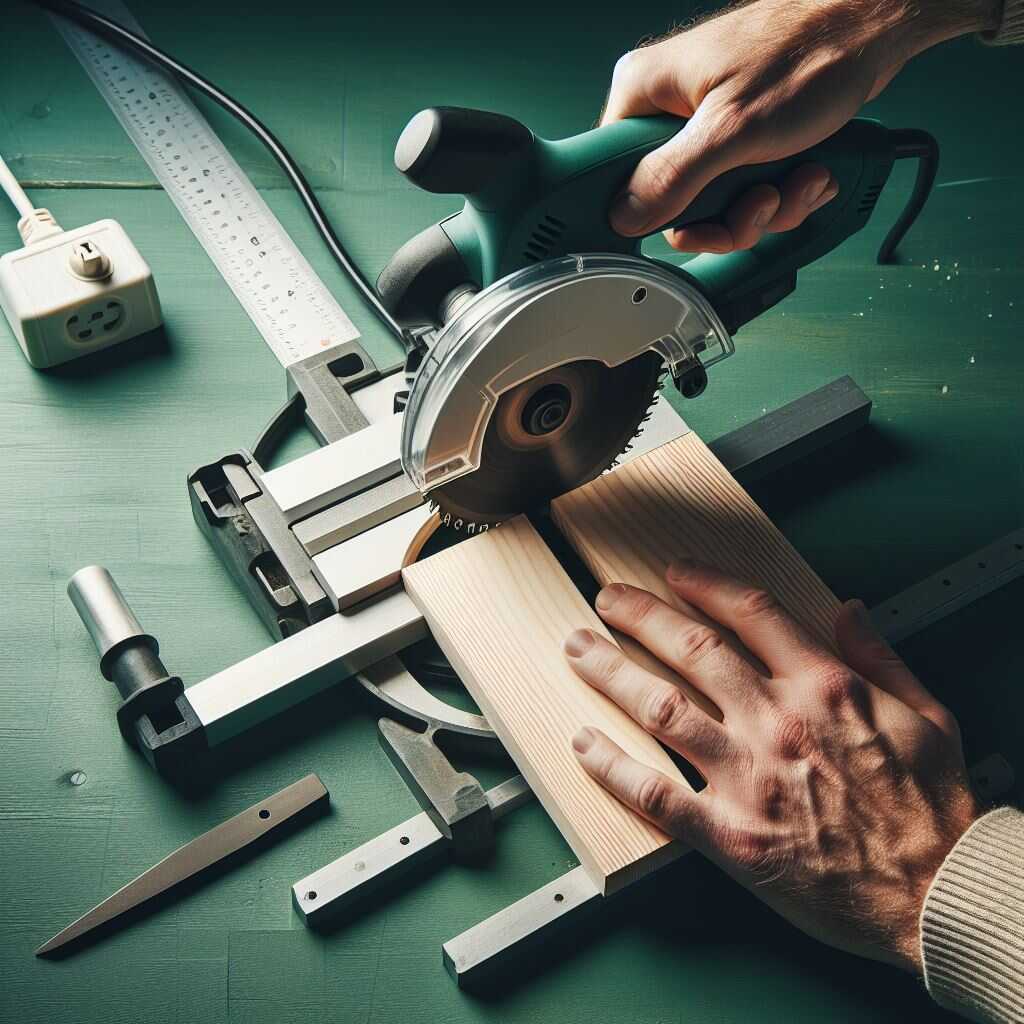
Safety is crucial in chainsaw ice sculpting. Essential protective gear includes gloves, goggles, and ear protection. These items enhance safety during operation by providing a reliable barrier against flying ice particles, noise, and vibrations. Users should follow best practices such as maintaining a firm grip on the chainsaw, ensuring proper footing, and using the right cutting techniques. Always keep spectators at least 15 feet away while sculpting to prevent accidents. Regularly test and review your chainsaw’s condition to ensure optimal performance and safety.
Best Practices for Chainsaw Ice Sculpting Safety
Implementing best practices for chainsaw ice sculpting safety is vital for a successful project. Begin each session by inspecting the chainsaw for any damage or wear. Ensure the custom modifications do not compromise the chainsaw’s reliability. Use an efficient cutting technique by starting from the top of the ice block and working down. Maintain a stable stance to enhance balance and leverage. Communicate with your team consistently to prevent misunderstandings during the sculpting process. By following these best practices, users can confidently create stunning ice sculptures while ensuring their own safety and that of their audience.

Celebrated Ice Sculpture Festivals From Around the Globe
Some of the most famous ice sculpture festivals around the world include the Harbin International Ice and Snow Festival in China, the Sapporo Snow Festival in Japan, and the Ice Magic Festival in Canada. These events showcase unique techniques used to craft ornate ice art installations. In Harbin, artists utilize chainsaws and chisels to create intricate designs, while Sapporo features large snow sculptures, enhancing the visual experience. Typically, thousands of competitors participate in these festivals, helping to elevate the artistry and competition.
Exploring Ice Art Techniques Across Festivals
Techniques showcased at ice sculpture festivals vary widely. For example, in the Harbin festival, the use of sophisticated chainsaw tools custom-designed for ice is common. Sculptors create layered ice designs that reflect light beautifully. At the Sapporo Snow Festival, builders craft massive structures using snow, emphasizing the contrast between strength and fragility. The craftsmanship techniques in these festivals include molding and carving, which enhance the overall performance of the sculptures. Each festival prioritizes the reliability of the tools used, ensuring impressive results.
Advantages of Custom Tool Modifications
- Custom chainsaws allow for precise contouring and detailing in ice designs.
- Enhanced safety features protect artists from potential injuries.
- Using specialized chains ensures cleaner cuts and reduces chipping.
- Customization enables sculptors to work effectively in subzero temperatures.
- Tailored tools offer sculptors greater control over their artistic vision.
- These modifications can extend tool lifespan and reduce maintenance costs.
- Efficient cutting tools may improve overall event production timelines.

Additional Tools to Enhance Ice Sculpting Techniques
Alongside chainsaws, a variety of tools can enhance ice sculpting techniques. Sculptors often use chisels and carving knives to refine details. A rotary tool can be used for intricate designs. Additionally, specialized ice saws help shape large blocks effectively. Using these sculpting accessories provides precise control and better craftsmanship. Ice sculptors also rely on propane torches for smoothing ice surfaces. This combination of tools improves the overall performance and efficiency in ice sculpture creation. Understanding how each tool contributes to the art form is essential for aspiring and experienced sculptors alike.
Essential Specialty Tools for Precision Ice Sculpting
Specialty tools play a crucial role in achieving precision in ice sculpting. Experienced sculptors recommend using handheld chisels that are designed with sharp blades to carve fine details. The channels and textures created by these chisels can elevate the final look of any sculpture. Additionally, brands like Innovative Saws offer ice-specific carving tools that deliver efficiency and reliability. When selecting tools, consider their comfort and grip for longer carving sessions. This leads to improved control while working on complex designs. Always prioritize tools with proven durability and quality for the best results in your ice sculpting projects.
Guidance for Aspiring Ice Sculptors to Begin Their Journey
Beginners eager to explore ice sculpting should focus on essential tools. Basic ice sculpting tools include a chainsaw, chisels, and ice picks. Customizing chainsaw tools can enhance performance and enable more detailed cuts. Beginners should practice with different blades for their chainsaws, ensuring versatility. A typical beginner ice sculpture project takes around three to five hours, depending on the sculpture’s complexity.
Essential Ice Sculpting Techniques for Beginners
Learning the essential ice sculpting techniques will significantly enhance your skills. Start with block ice, which is easier to carve than other forms. Use a chainsaw equipped with a fine-toothed blade for smoother cuts. This customization helps achieve better detail. Familiarize yourself with chisels to refine shapes and textures. Practice regularly to build confidence and enhance reliability in your techniques. Observing experienced sculptors can provide great insights into successful ice sculpting, and analyzing their methods can help you improve your performance.
Brands and Their Appeal in Ice Sculpture Equipment
- Stihl is popular for its reliability, but can be heavy for beginners.
- Husqvarna offers lightweight models that provide excellent maneuverability.
- Echo provides affordable options for hobbyists who want to try ice sculpting.
- Makita is often favored for quieter operations, which is great for events.
- Many professional sculptors prefer Stihl for its durability, but initial costs are higher.
- Husqvarna’s models are excellent for detailed work but may have a steeper learning curve.
- Beginners often gravitate toward Echo due to cost but may sacrifice some power.
Innovative Works by Renowned Ice Sculptors for Inspiration
This section showcases famous ice sculptors and their impressive creations. Notable figures include Dmitry Aksenov, who gained fame for his incredibly lifelike animal sculptures. As a master of working with large ice blocks, Aksenov employs techniques like precision carving with modified chainsaws and chisels to achieve stunning detail. Another inspiring sculptor, Steve Brice, often incorporates intricate patterns and structures into his designs, showcasing an array of creative possibilities. Artists like these have helped elevate ice sculpture into an admired art form through years of dedication, leading to thousands of awards in global competitions.
Distinct Traits of Award-Winning Ice Sculptures
Award-winning ice sculptures possess unique traits that distinguish them in competitions. Often, these sculptures feature excellent detail, intricate designs, and consistent clarity throughout the ice. They utilize various unique ice carving techniques such as layering, texturing, and fine detailing that highlight the ice’s transparency. Sculptors often rely on high-quality chainsaw tools, ensuring efficiency and precision in their cuts. The best ice sculpture designs integrate lighting to enhance the final piece, creating visual effects that mesmerize viewers. Artists like Dmitry Aksenov and Steve Brice exemplify these traits through their remarkable works, drawing inspiration from nature and fantasy themes.