Mastering expert bandsaw techniques is essential for shaping wooden kayak hulls effectively. These skills allow builders to create precise, streamlined forms that enhance the kayak’s performance and aesthetics. Innovative Saws provides valuable insights into selecting the right bandsaw and applying advanced cutting strategies for your kayak project. With careful attention to craftsmanship and technique, you can achieve high-quality results that stand out on the water.
Benefits of Specialized Bandsaw Techniques in Kayak Construction
Specialized bandsaw techniques offer several advantages in shaping kayak hulls. They enhance hull performance by ensuring accurate cuts, which lead to better balance and handling on water. The ability to make intricate curves allows builders to create designs that improve hydrodynamics. High-quality bandsaws designed for flexibility provide the necessary precision, enabling builders to make effortless adjustments during the shaping process. The use of bandsaws that can handle varying angles improves efficiency, allowing for quicker project completion without sacrificing quality. Reliable bandsaw features, such as adjustable speed and blade tension, further enhance this process, allowing for customized cutting based on specific design needs.
Optimizing Bandsaw Features for Enhanced Hull Design
To achieve the best results in kayak hull design, selecting a bandsaw with essential features is crucial. Bandsaws with variable speed settings allow woodworkers to adapt their cutting techniques based on the thickness and type of wood used. A sturdy base and durable frame provide stability, reducing any vibrations that could impact cut accuracy. The right blade selection is also critical; narrow blades are ideal for intricate curves, while wider blades are better for cuts through thicker materials. Quality bandsaw models, like those from Innovative Saws, deliver impressive performance, ensuring that each cut is clean and precise. This level of reliability not only makes the shaping process easier but also enhances the overall aesthetic and performance of the finished kayak.
Essential Bandsaw Types for Wooden Kayak Builders
For wooden kayak builders, selecting the right bandsaw is crucial. Key features in a bandsaw for shaping kayak hulls include power, cutting width, and blade quality. Bandsaws designed for curved cuts and intricate shapes are essential. Vertical bandsaws are versatile, allowing for smooth cuts on edges. Horizontal bandsaws provide excellent depth for thicker materials. Evaluating performance features helps determine which bandsaw can handle your specific project. Quality models typically range from $500 to $3,000, depending on their capabilities and durability.
Comparing Bandsaw Features for Optimal Kayak Hull Crafting
When comparing bandsaw features for kayak hull crafting, consider motor power and cutting capacity carefully. A good bandsaw should have a motor with at least 1 HP, ensuring reliable performance. Look for blades that can handle thickness up to 12 inches to work with various wood types. Blade size impacts the cutting radius significantly; a wider blade allows precise curves while providing stability. Bandsaws from Innovative Saws are often reviewed for their efficiency and reliability, making them a good choice for both hobbyists and professionals.

Effective Methods for Cutting Curves with Bandsaws
Proven techniques for cutting curves effectively on a bandsaw include using the right blade for your specific needs. Bandsaw blades designed for curved cuts are typically narrower to enhance control. Assess blade tooth counts and materials to match your wood type, ensuring good performance. For optimal accuracy, maintain a steady feed rate while guiding the wood. This minimizes the chances of splintering and enhances the quality of the cut. Straight and gradual curves are easier to navigate. For tighter curves, make relief cuts to maintain control without forcing the blade. Regularly keep your bandsaw aligned and adjusted for consistent results.
Choosing the Right Bandsaw Blade for Curves
When selecting a bandsaw blade for curves, consider blade width carefully. A narrower blade, ideally between 1/8 to 1/4 inch, is suitable for tighter curves. This blade width provides the flexibility needed for intricate designs while maintaining cutting accuracy. The tooth design significantly affects cutting performance; skip or hook tooth patterns help clear sawdust effectively. For hardwoods or thicker materials, a blade with fewer teeth per inch can handle the wood efficiently. Additionally, stainless steel or carbide-tipped blades offer durability and longevity. Regular reviews and performance comparisons can help you determine the best blades available, enhancing your crafting experience.
Key Facts About Advanced Sawing Techniques
- Using a bandsaw, builders can create curves with a radius as small as 3 inches.
- The blade thickness can range from 1/8 inch to 1/2 inch, depending on the cutting requirements.
- Specific RPM settings can dramatically affect cut quality, often around 2000-4000 RPM.
- Expert bandsaw techniques help in shaping wooden kayak hulls efficiently and accurately.
- Common wood types for kayaks include cedar, mahogany, and plywood.
- Many builders recommend a minimum of 14 inches in throat depth for various hull designs.
- The average blade life spans from 3 to 8 hours, depending on material and use.

Comprehensive Maintenance Strategies for Your Bandsaw
To keep your bandsaw functioning effectively, establish regular maintenance routines. Key maintenance tasks include cleaning the blade and guides, checking for any wear and tear, and adjusting the blade tension. Proper blade selection ensures reliability and enhances cutting efficiency. Use blades designed for the specific materials you cut. Monitor blade tension as it directly impacts cutting precision and machine longevity. Regular lubrication of moving parts enhances performance and prevents rust, ensuring your bandsaw operates smoothly. Clean the top and bottom wheels monthly, and inspect the alignment to avoid unnecessary strain on the motor.
Understanding Blade Selection and Tension Importance
Choosing the right blade type is crucial for bandsaw performance and efficiency. Blades designed for hardwoods behave differently than those for softwoods or metals. Correct tensioning ensures that the blade does not deflect during cutting, enhancing accuracy and reducing wear. Regularly test the tension using a reliable gauge. For best results, adjust the tension based on the blade thickness and the specific material you are cutting. Effective blade tensioning allows for smoother operation and minimizes the risk of blade breakage, thus extending your bandsaw’s life and enhancing its overall performance.
Selecting the Best Bandsaw Blade for Hull Shaping
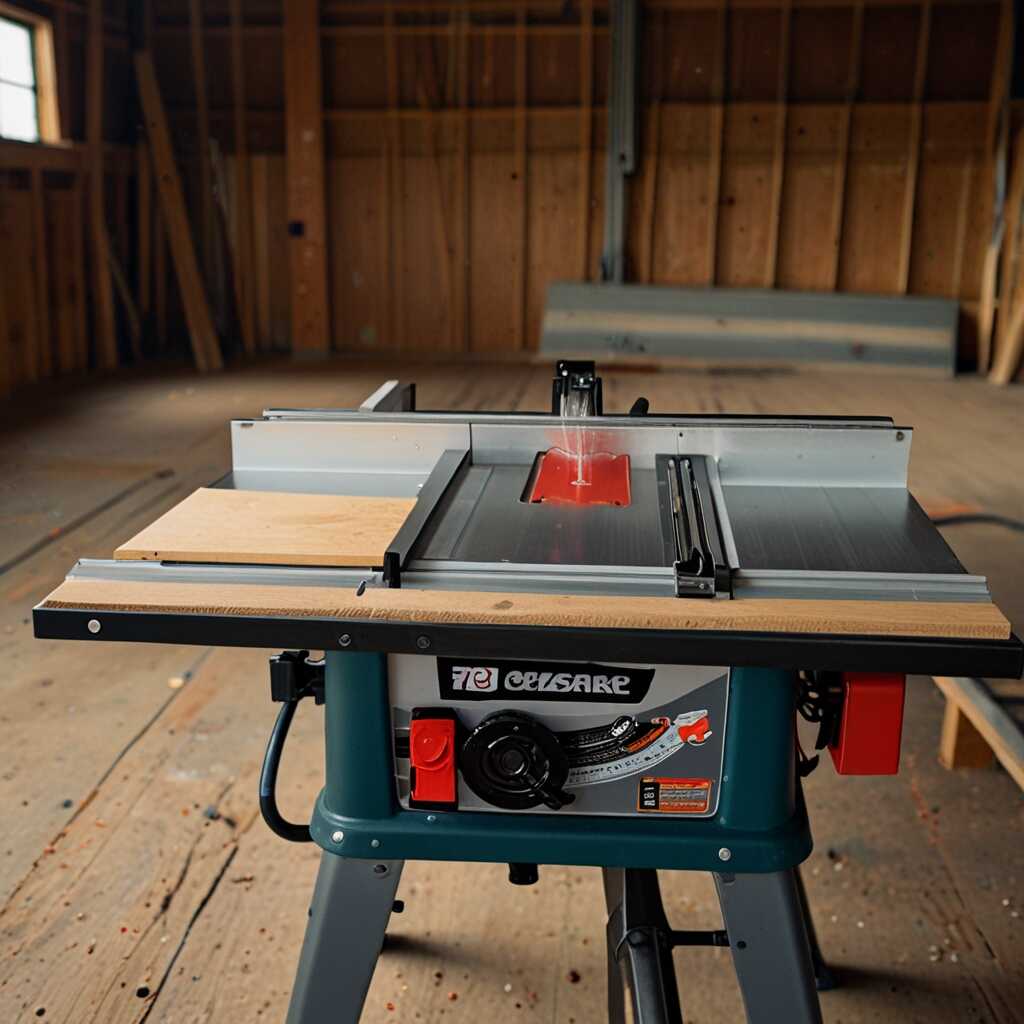
Choosing the right bandsaw blade is vital to ensure precise kayak hull shaping. Factors to consider include blade width, tooth configuration, and materials. A wider blade provides more stability, while a narrower blade is better for intricate curves. The tooth configuration impacts cutting efficiency; fine teeth offer smoother cuts, while larger teeth cut faster but may leave rough edges. Examining reviews and performance data on various blades helps in finding the most reliable option. The ideal TPI for cutting kayak hulls is usually between 6 to 10, balancing speed with clean cuts.
Understanding Tooth Configuration for Optimal Hull Shaping
Tooth configuration is crucial when shaping wooden kayak hulls. Blades with fewer teeth per inch (TPI) work faster but can leave a rough finish, which might require additional sanding. A blade with 6 to 10 TPI is recommended for hull shaping, as it provides a good balance between speed and surface quality. Consider using skip tooth or hook tooth designs for better wood chip removal, enhancing cutting efficiency. The right tooth configuration can significantly improve the quality of your cuts, making your hull shaping process easier and more enjoyable.
Advantages of Proficient Cutting Strategies
- Builders can achieve smoother edges, reducing the need for extensive sanding.
- Resource efficiency increases, minimizing wood waste in the shaping process.
- Automatic blade alignment reduces errors and improves safety.
- Expert bandsaw techniques ensure precision, leading to better fitting hull components.
- Users enhance their creativity, exploring unique shapes and designs.
- Time savings occur, allowing builders to complete projects more swiftly.
- Optimized safety features help protect users during operation.
Common Errors to Watch Out for When Using Bandsaws
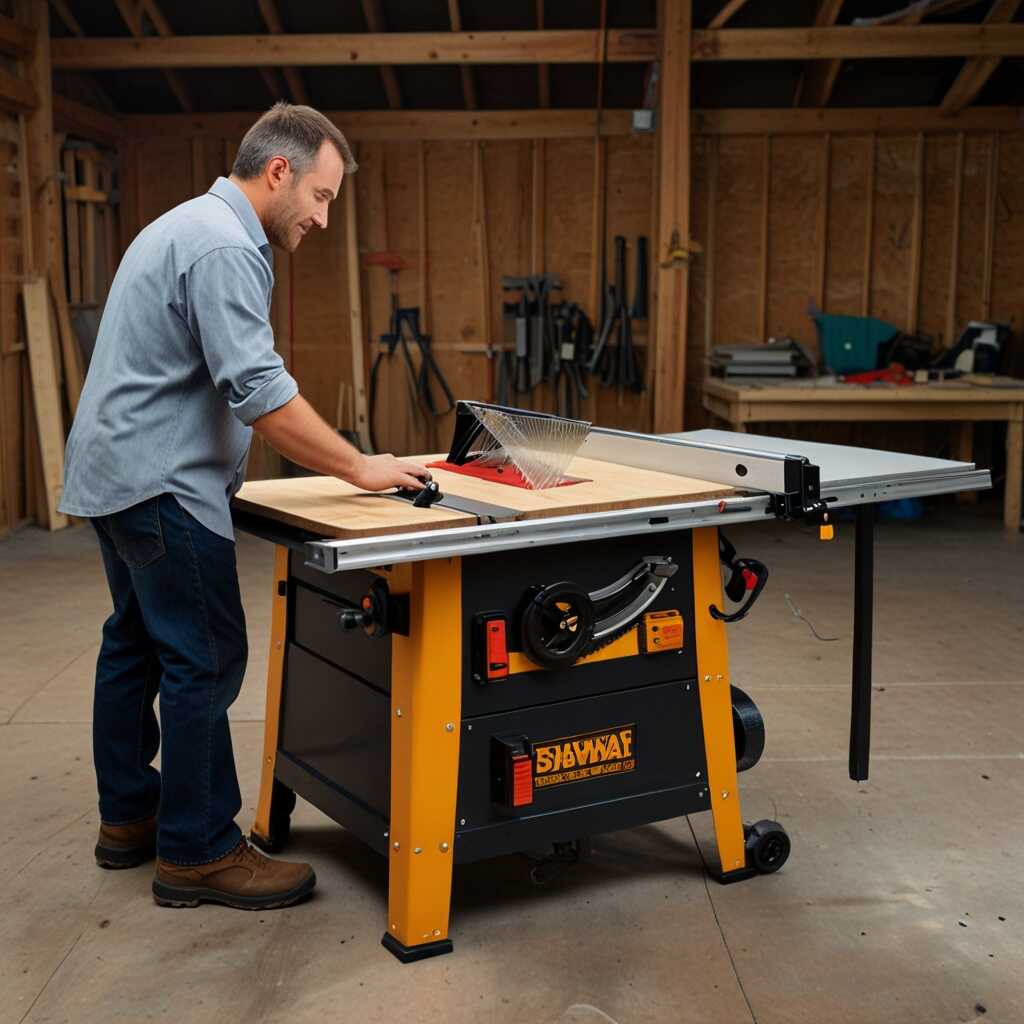
Common errors when using bandsaws include improper blade tension, inaccurate blade guides, and incorrect feed rate. Improper blade tension can lead to blade wander, creating uneven cuts. Ensure your blade guides are set to the correct height to support the blade effectively. Maintaining a consistent feed rate prevents burning the wood or jamming, which enhances cutting quality. Effective setup can dramatically improve your cutting results and overall reliability of the bandsaw.
Proper Bandsaw Setup Tips for Optimal Performance
Proper bandsaw setup is crucial for achieving excellent cutting results. First, ensure the blade tension is within the recommended range, typically 8,000 to 20,000 psi, to prevent vibrations. Adjusting the blade guides to support the blade closely also helps maintain alignment. Additionally, select the correct blade type for your material, such as a narrow blade for curved cuts or a wider blade for resawing. These steps make the bandsaw more effective and easier to handle, providing you with quality cuts that enhance your woodworking projects.
Innovative Bandsaw Techniques for Advanced Builders
Advanced builders can utilize bandsaw techniques to achieve precise kayak hull shapes. Techniques like resawing enhance the cutting efficiency by allowing builders to create thinner veneers from thicker stock. Using the right bandsaw blade types, such as a skip tooth blade, enables better control for curves and complex cuts. A key factor in shaping kayak hulls is the thickness of laminated wood pieces, with 3/8 inch being the preferred thickness for flexibility and durability. Employing these advanced bandsaw methods significantly helps builders refine their craftsmanship and achieve professional results.
Choosing the Right Bandsaw Blade for Kayak Design
Selecting the correct bandsaw blade is crucial for shaping wooden kayak hulls. Each design requires specific blade attributes. For example, a 3 to 4 teeth per inch blade is ideal for fast cuts in thick wood. In contrast, a finer tooth count of 6 to 10 teeth per inch allows for more precise cuts. Consider blades with a higher tooth count for intricate details or thin laminates. This selection improves the quality of your cuts and helps you achieve the best design possible for your kayak. Innovative Saws offers a variety of reliable bandsaw blades tailored to meet the needs of fishers and builders alike.
Brand Comparisons in Cutting Tools for Kayaks
- Brand A offers heavy-duty options, great for professional builders but costly for hobbyists.
- Brand B provides affordable solutions, suitable for DIY enthusiasts but may lack durability.
- Brand C features versatile models, ideal for multi-purpose use but can require more maintenance.
- Professionals often seek durable bandsaws for their frequent, high-precision work.
- Amateur woodworkers prefer lightweight models that are easy to handle for small projects.
- Outdoor recreational enthusiasts love portable saws for on-site crafting.
- Schools often use medium-range tools for teaching woodworking skills to students.
Creative Inspiration for Kayak Designs Utilizing Bandsaw Skills
Many innovative kayak designs leverage specialized bandsaw techniques. These designs include unique shapes like the classic Greenland kayak or modern hybrid models. Builders can use curved bandsaw cuts to create intricate hull shapes that enhance both performance and aesthetics. Cutting strategies vary significantly based on the kayak style and materials used. For instance, using thicker plywood allows for creative shapes in recreational kayaks, while lighter wood is ideal for racing designs. The average thickness for wooden kayak hulls typically ranges from 3/16 inch to 1/4 inch thick, making it essential to choose the right bandsaw blade for clean cuts.
Variety of Kayak Shapes and Bandsaw Techniques
Different kayak shapes present unique challenges and opportunities for bandsaw techniques. For example, a sit-on-top kayak design requires wider and more rounded shapes, which bandsaws can efficiently create. Utilizing a 1/4-inch blade allows you to cut tight curves smoothly, making it easier to achieve proper hull form. A bandsaw’s ability to make intricate and precise cuts enhances design possibilities, making it suitable for both cutting out bulkheads and creating decorative features like accent strips. Experimenting with various designs like the folding kayaks or traditional designs can significantly differentiate your kayak.