Woodworkers build custom storage racks for organizing saws to keep their workshops tidy and efficient. These racks can be tailored to fit individual needs and available space, ensuring easy access to various types of saws. At Innovative Saws, we understand the importance of organization in enhancing your woodworking projects and tools. Our expertise in cutting tools also helps you choose the right materials and designs for your custom storage solutions.
The Benefits of Organizing Saws in Your Workshop
Organizing saws in your workshop brings several significant advantages. Improved workflow results from having tools easily accessible and properly stored. Enhanced safety is achieved as organized saws reduce the risk of accidents. Efficient use of space prevents clutter and allows for a more effective working environment. Custom storage solutions can be designed to fit various saw types, such as circular saws, miter saws, and reciprocating saws. This ensures that each tool has a designated place, making it easier for woodworkers and DIY enthusiasts to find what they need quickly.
Custom Storage Solutions for Different Saw Types
Woodworkers can create custom storage solutions tailored specifically to their ranged tools. For instance, a wall-mounted rack can hold different miter saws and circular saws, while a rolling cart can accommodate reciprocating saws and handsaws. Designing a vertical storage system maximizes space and keeps blades safe and sharp, ensuring ease of access and reducing damage risk. A comprehensive storage solution can handle up to 15 different saw types, for example, combining racks and drawers specifically crafted for spare blades and accessories, which helps maintain organization and efficiency in the workshop.
Selecting Durable Materials for Custom Storage Racks
Choosing the right materials for constructing custom storage racks is essential for ensuring durability and reliability. Popular choices for storage racks include various types of wood such as plywood, hardwoods like oak or maple, and softwoods like pine. Each type offers unique strengths; for instance, plywood is cost-effective and stable, while hardwoods provide excellent weight support and longevity. Metal, like steel or aluminum, provides incredible sturdiness and can handle significant weight. Composite materials offer a balance, combining strength with lightweight properties. Evaluate the weight and types of saws you own to determine the best material for your racks.
Evaluating the Best Materials for Different Saw Types
When selecting materials for your storage racks, consider the specific types of saws you plan to organize. Circular saws and miter saws often require sturdy racks made of hardwood for optimal support. In contrast, lighter tools, such as jigsaws and handsaws, may be effectively stored on racks made from plywood or composite materials. Look for materials that not only accommodate the weight of the tools but also allow for easy access and organization, enhancing the overall efficiency of your workspace. Innovative Saws offers various materials designed for durability, ensuring your custom racks can withstand years of use.

Effective Design Strategies for Multi-Saw Storage Racks
Key design principles for building multi-saw storage racks include ensuring adequate accessibility and optimizing both vertical and horizontal space. Organizers should layout the rack based on the saw types they possess, considering the frequency of use. It is essential to include appropriate spacing to avoid tool contact, which ensures durability. Materials like plywood or MDF work well for the structure, while sturdy brackets provide safety and reliability. Multiple saw types can be organized effectively by customizing the rack to proportion scales and creating sections dedicated to each saw type.
Maximizing Vertical and Horizontal Space in Your Workshop
Maximizing vertical and horizontal space in woodworking workshops is crucial for efficient organization. A well-planned multi-saw storage rack can free up valuable floor space. Consider using wall-mounted racks to hold lighter handheld saws, freeing up bench space for larger equipment. For heavier saws, install lower shelves with adjustable brackets to accommodate different sizes. Incorporate pegboards alongside racks to hold additional accessories, ensuring everything remains visible and easy to access. With careful planning, up to 10 different saw types can be effectively organized within a compact area, enhancing your workshop’s efficiency.
Key Numerical Insights for Crafting Personal Saw Storage Solutions
- Average dimensions for a custom saw rack: 48″ high, 36″ wide, and 12″ deep.
- Woodworkers typically spend 3 to 5 hours building a storage rack.
- Recommended spacing between racks: 12 to 18 inches for optimal access.
- Woodworkers often use 3 to 4 types of wood for constructing racks.
- A quality saw rack can hold 8 to 15 different saws securely.
- Using plywood can reduce material costs by approximately 20% compared to hardwood.
- Woodworkers generally invest $50 to $150 on materials for a custom rack.

Essential Tools for Constructing Storage Racks
Building effective saw storage racks requires a variety of essential tools. Power tools like a circular saw, drill, and jigsaw are crucial. They enhance the efficiency of cutting and assembling wood. Hand tools such as clamps, screws, and a level are necessary for precision. Safety equipment, like goggles and gloves, protects during construction. Woodworkers should consider their materials and the complexity of their design when selecting tools. Innovative Saws provides expert guidance to help you choose the right combination for your projects.
Recommended Power Tools for Construction
Power tools designed for construction enhance performance and comfort during rack assembly. A circular saw is essential for making straight cuts in wood. A miter saw helps achieve precise angled cuts, ideal for fitting pieces together. A drill is vital for creating holes and driving screws. Depending on the rack complexity, a jigsaw can assist in making curved cuts. Ensure to select quality tools that have been tested for reliability and durability. This selection will improve your overall results while building saw storage solutions.
Key Measurements for Custom Saw Storage Solutions
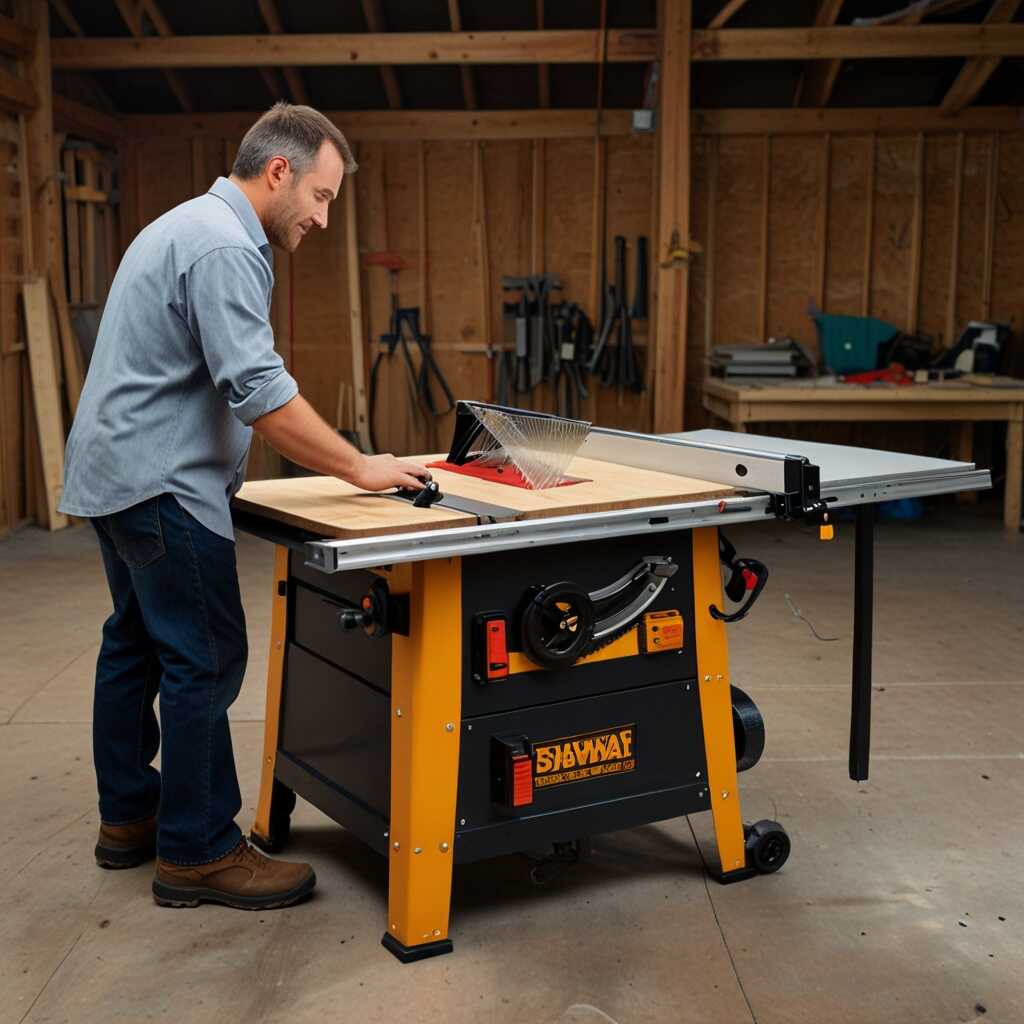
To create a reliable saw storage solution, start with measuring the various saws you own. Measure the length, height, and width to understand available space needs. Saw types, like circular or miter saws, each require different dimensions for effective organization. Consider the rack’s depth to accommodate wider tools, ensuring they don’t overlap. A useful rule of thumb is to leave at least 3 inches between each saw for easy access. Taking precise measurements enhances your ability to design an effective workspace that utilizes every inch of room.
Understanding Saw Dimensions and Their Storage Needs
Different saws have unique sizes and shapes that influence how you design storage. For instance, a circular saw is more compact, while a table saw needs more open space. Experts recommend that storage racks be at least 30 inches wide and 48 inches high for comfortable access to larger saws. Measure the depth to ensure the racks can hold saws securely without them falling over. Proper organization enhances your workshop’s efficiency, allowing quick access when needed.
Advantages of Custom Storage Solutions for Your Tools
- Maximized workspace efficiency by keeping tools organized and easy to reach.
- A tailored design allows for specific holding of diverse types of saws.
- Improved safety as well-organized racks reduce the risk of accidents.
- Custom racks can enhance the overall aesthetic of the workshop.
- Simple access to tools saves time during projects.
- Creativity shines through personalized designs that reflect individual style.
- Durable construction methods ensure long-lasting organization solutions.
A Comprehensive Step-by-Step Guide to Building Saw Racks
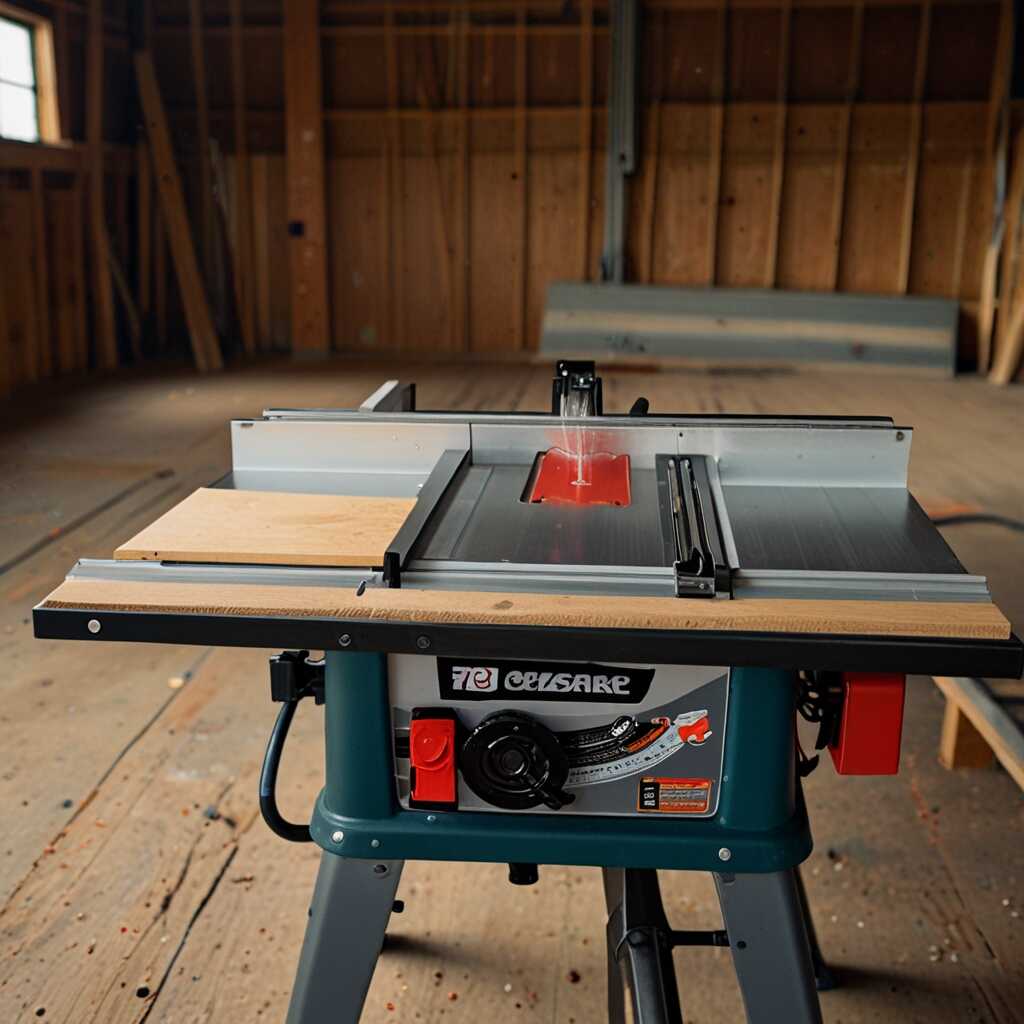
This section provides a detailed guide on constructing a custom saw rack. Begin by choosing sturdy materials like plywood or hardwood for reliability. Measure your workspace and the saws you own, ensuring the rack’s dimensions match your needs. Organize your different types of saws effectively by creating separate sections for each category, such as miter saws, hand saws, and circular saws. A standard saw rack can typically hold between 5 to 10 saws, depending on its design and size. Diagrams included will enhance your understanding of the construction process.
Essential Considerations for Effective Saw Organization
When designing a saw storage solution, consider the type of saw you own and how frequently you use them. Different materials enhance performance—use high-quality plywood for the main structure. Ensure the rack is tall enough for larger saws and compact enough for smaller ones. Each section should be designed with proper spacing to avoid overcrowding, allowing easy access to each saw. The alignment and stability of the rack are crucial for safety and ease of use. Following a structured plan helps ensure your rack is built efficiently and effectively.
Caring for Your Custom Saw Storage System
Regular cleaning is essential for maintaining the durability of your custom saw storage system. Use a damp cloth to wipe down surfaces and remove sawdust and debris. Ensure all brackets and shelves are securely fastened to prevent wear. Check for any rust on metal components and treat it promptly. Utilize cleaning solutions safe for wood and metal surfaces to enhance longevity. For organization, arrange saws by type and size. This helps create an efficient workflow. Perform maintenance checks at least every three months to ensure everything is functioning properly.
Tools and Materials for Effective Maintenance
For effective maintenance of your saw storage systems, gather essential tools like a soft brush, microfiber cloths, and rust remover. Consider using wood polish for wooden surfaces to enhance their appearance. A level can help ensure that your storage is perfectly aligned, which prevents saws from sliding off. Ensure you have screwdrivers and wrenches on hand for tightening hardware. Use storage bins to keep accessories like blades organized. This structured approach to maintenance ensures reliability and maximizes the performance of your cutting tools for years to come.
Comparative Overview of Popular Saw Storage Options for Enthusiasts
- DIY enthusiasts often choose minimalist designs for easier construction.
- Professional woodworkers prefer dedicated storage units tailored for their needs.
- Home improvement bloggers showcase various storage designs that inspire creativity.
- Weekend DIY users favor budget-friendly materials for quick builds.
- Experienced timber specialists often choose racks with custom attachments.
- Casual woodworkers tend to select assembly-required options for simplicity.
- Organizations focused on teaching often create sample racks for hands-on learning.
Inspiring Ideas and Designs from Woodworkers
Woodworkers around the globe showcase incredible examples of custom saw racks that enhance storage efficiency and organization. Unique designs often include creative shelving, versatile hooks, and integrated work surfaces. For instance, longboards made from plywood can create sturdy frames to secure multiple saws. Some woodworkers use innovative arrangements like wall-mounted racks to save floor space. The choice of materials can vary but commonly includes plywood, hardwoods, and metal brackets. Factors such as size and location influence how many saws these racks can hold, ensuring easy access and organization.
Materials and Construction Techniques for Durable Storage Racks
Durable custom saw racks incorporate high-quality materials to withstand weight and usage. Plywood offers a reliable foundation due to its strength and resistance to warping. Many woodworkers combine hardwood and metal brackets for improved stability and longevity. Some racks feature adjustable shelves, allowing users to modify dimensions based on their needs. Jigs and precise cut plans enhance the building process. This approach maximizes space and improves organizational solutions. Using quality tools from Innovative Saws ensures all construction processes deliver impressive results.