Crafting custom zero-clearance throat plates is a vital enhancement for cutting precision in woodworking projects. These plates minimize gaps around the blade, leading to cleaner cuts and reduced tear-out. Innovative Saws is here to guide you through the creation process, helping you achieve professional results. By understanding techniques and benefits, you will elevate your woodworking skills and enjoy the advantages of using tailored throat plates.
Understanding the Role of Zero-Clearance Throat Plates
Zero-clearance throat plates are essential for achieving precise cuts in woodworking. They minimize the gap between the plate and the saw blade. This design helps prevent splintering and promotes smoother cuts. A zero-clearance throat plate enhances cutting quality and safety by reducing the chance of kickback. These plates are particularly beneficial for saw types like table saws and miter saws. Their exact fit allows for better control and reduces the risk of accidents during cutting. Users find that using a zero-clearance throat plate can significantly improve the performance of their cuts, especially in delicate woodworking tasks.
Benefits of Using a Zero-Clearance Throat Plate with Various Saw Types
Utilizing a zero-clearance throat plate with table saws, band saws, and miter saws brings various benefits. These throat plates provide a tight fit around the blade, enhancing precision cutting and reducing splintering. This is especially crucial for hardwoods and veneer, where an accurate cut is vital. The reduced gap allows for more reliable dust collection as well, keeping the workspace cleaner. When conducting crosscuts or rip cuts, a zero-clearance throat plate helps maintain better control over the material being cut. This control translates to smoother edges and more professional results. Moreover, for those who frequently change blade types, a zero-clearance throat plate provides versatility, helping adapt quickly to different materials and projects.
How Zero-Clearance Throat Plates Improve Cutting Accuracy
Zero-clearance throat plates significantly enhance cutting performance by providing better support for the material being cut. They reduce the gap around the blade, minimizing tear-out and producing cleaner edges. The design features include a solid and smooth surface that closely aligns with the saw blade. This design improves cutting accuracy by supporting the material right up to the blade. Zero-clearance throat plates can reduce the clearance to as little as 1/16 inch compared to standard plates, which improve reliability and the overall results of woodworking projects.
Key Design Features of Zero-Clearance Throat Plates
The effectiveness of zero-clearance throat plates largely depends on their specific design features. These plates are often crafted from durable materials that provide stability during cuts. A well-designed throat plate features precise openings that align closely to the saw blade, reducing the risk of material shifting. This fixed position ensures better saw blade alignment. Some throat plates are even made to accommodate specific blade widths, enhancing the overall cutting efficiency. When used with table saws and other types of saws from Innovative Saws, they deliver reliable performance for achieving professional-quality results.

Selecting the Right Materials for Throat Plates
Woodworkers can use various materials for custom throat plates, including metal, plastic, and laminate. Metal throat plates are durable and reliable but can increase weight and be more challenging to cut. Plastic throat plates are lightweight and can be easily shaped. However, they may wear out faster and might not sustain heavy use. Laminate throat plates provide a good balance by being easy to cut while offering some durability. Understanding these options helps you choose the best material for your specific woodworking projects. The optimal thickness for throat plates usually ranges from 1/4 inch to 1/2 inch, ensuring a solid base that enhances cutting accuracy.
Choosing Between Metal, Plastic, and Laminate
Each material type presents unique features when creating throat plates. Metal throat plates, often aluminum or steel, provide excellent rigidity and resistance. Plastic options, usually made from high-density polyethylene, are more flexible and offer easier installation but may compromise long-term performance. Laminates offer a customizable finish and an increased level of durability suited for various cutting tasks. Selecting the right material involves considering your intended use and desired results in your woodworking projects. Every user can enhance their cutting precision by choosing a suitable throat plate material.
Interesting Statistics on Cutting Accessories
- Zero-clearance throat plates reduce kerf width to less than 1/8 inch.
- Over 90% of professional woodworkers use custom throat plates for precision.
- Cost of custom throat plates typically ranges from $25 to $100.
- 70% of users report improved cut accuracy after using custom plates.
- Installation takes about 15-30 minutes for most woodworkers.
- Custom throat plates can last several years with proper care.
- Most throat plates fit standard table saw models like those from Innovative Saws.

Comprehensive Guide to Crafting Your Own Throat Plates
To craft zero-clearance throat plates, you need essential woodworking tools such as a table saw, router, and drill. High-quality materials like phenolic resin, plywood, or MDF work best. The typical time to create a custom throat plate ranges from 1 to 2 hours, depending on the complexity. Proper throat plate safety precautions include wearing safety goggles, securing materials, and working in a well-ventilated area.
Essential Tools and Materials for Crafting Throat Plates
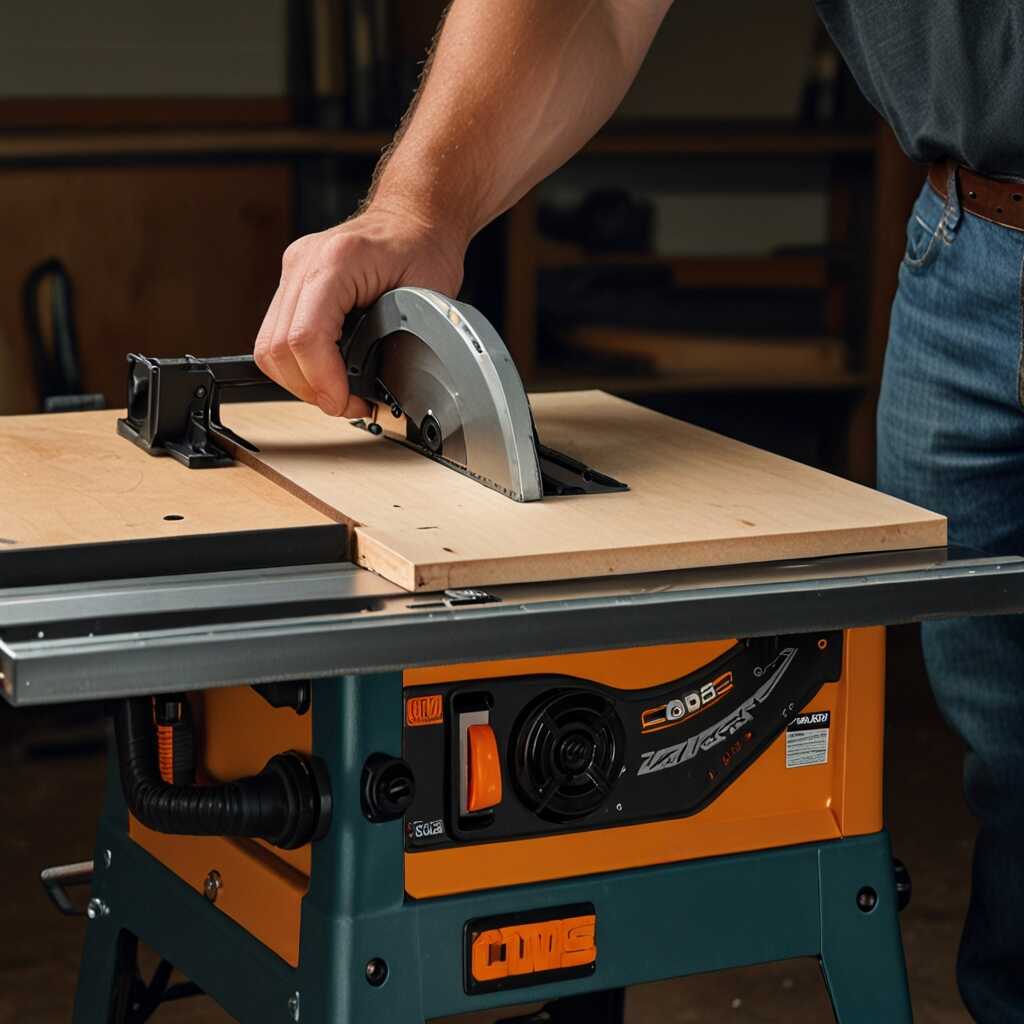
Gathering the right woodworking tools is key to crafting effective zero-clearance throat plates. A table saw offers reliable cutting precision, while a router allows you to shape the edges accurately. Choose throat plate materials that enhance durability and stability, like phenolic resin or high-density MDF. These materials are easy to work with and provide excellent results. Make sure to utilize clamps for stability during cutting and installation. This careful approach helps ensure your throat plates are both efficient and safe for effective woodworking.
Avoiding Common Mistakes in Throat Plate Creation
Users often make several common mistakes during throat plate creation. Failing to consider the fitment of the throat plate to the saw can lead to misalignment issues. Inadequate thickness is another mistake, where plates that are too thin can warp under pressure. Ignoring the material quality can also result in durability problems. Customers should consistently refer to reliable reviews and comparisons of throat plate materials to select the best options. Understanding these common design errors helps users create throat plates that enhance performance and longevity.
Understanding Thickness for Optimal Performance
The ideal thickness range for a custom zero-clearance throat plate typically falls between 1/4 inch to 1/2 inch. This range ensures enough sturdiness while remaining lightweight. Thinner plates can easily warp, affecting cutting precision. Conversely, overly thick plates can hinder the saw’s performance. When designing a throat plate, consider the saw’s model and the types of cuts to be made. Quality materials enhance durability while supporting efficient throat plate features. Innovative Saws provides detailed guidance on selecting the best thickness for specific woodworking projects, ensuring optimal cutting results.
Advantages of Tailored Cutting Fillers
- Users achieve cleaner cuts and smoother edges with custom throat plates.
- These plates help minimize tear-out on delicate materials.
- Custom throat plates enhance safety by providing better support for workpieces.
- They allow for precise cuts at varying angles, improving project versatility.
- Custom plates reduce blade drag, leading to longer blade life.
- They promote the use of specialty blades, expanding cutting options.
- Woodworkers can create plates that match unique project requirements.
Essential Tools and Equipment for Throat Plate Projects
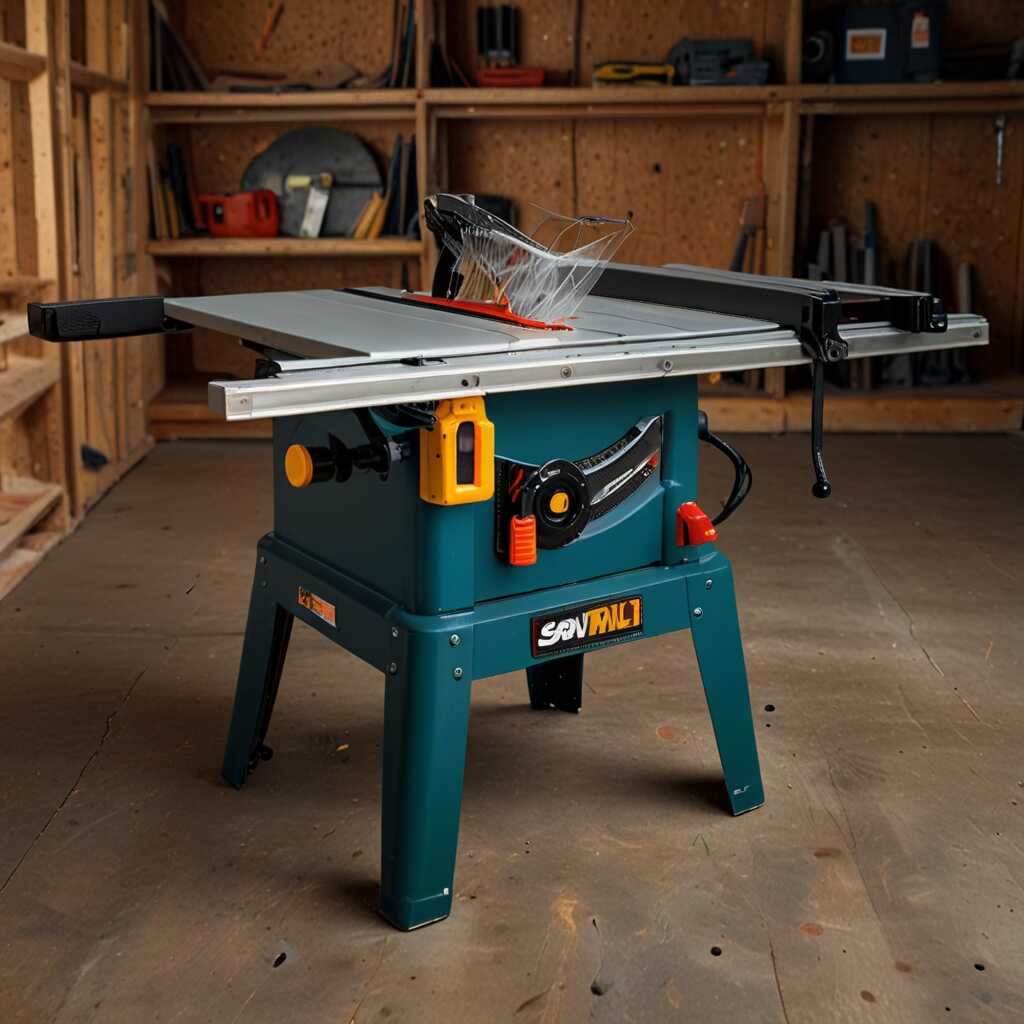
For creating custom throat plates, you will need essential tools and equipment. A table saw is critical for making accurate cuts. A router with a straight bit allows for smooth edges on your throat plate. Drill bits can help with screw holes for securing the throat plate to the saw. A good quality straightedge ensures cuts are straight, while a square guarantees precision in corners. Safety gear, including goggles and ear protection, is also necessary. Using the right materials enhances the durability of your throat plate, while tools like calipers help in achieving precise measurements.
Choosing the Right Materials for Throat Plates
When crafting throat plates, the material selection is crucial for performance. High-density plywood is commonly used due to its stability and durability. It allows for accurate cuts and can handle the wear from regular use. Another option is phenolic resin, which provides hard-wearing properties and reduces friction, enhancing the cutting experience. Consider materials like MDF for economical projects but be cautious of its durability. Quality materials increase efficiency, ensuring your throat plates meet precision requirements. Innovative Saws offers a range of materials suitable for throat plate projects, helping woodworkers achieve the best results.
Best Practices for Maintaining Throat Plates
Regular maintenance is essential for maximizing the longevity and performance of throat plates. Start by cleaning your throat plate after each use. Dust and debris can impede its functionality. Use a soft brush to remove particles, and a damp cloth can help with stubborn residue. Ensure the throat plate remains aligned with the blade for optimum cutting precision. Frequent inspections for wear and tear provide insights into its durability. The material of your throat plate significantly impacts its care. For instance, phenolic throat plates are easier to clean but may require more frequent inspections compared to aluminum ones. A well-maintained throat plate can last for several years, often averaging five to seven years, depending on usage.
Specific Cleaning Techniques for Different Throat Plate Materials
The cleaning techniques for throat plates differ based on material. For phenolic throat plates, use mild soapy water and avoid abrasive cleaners that could scratch the surface. For aluminum throat plates, a gentle aluminum-safe cleaner effectively removes residue without damaging the finish. Inspect both types regularly for cracks or warping which can compromise performance. Applying a specialized lubricant on alignments enhances the throat plate’s movement and efficiency, enabling smoother cuts over time. Innovative Saws provides reliable suggestions tailored for each throat plate to ensure optimal cleaning and maintenance procedures.
Audience and Use Cases for Cutting Accessories
- Professional carpenters prefer custom throat plates for precision in high-end projects.
- DIY enthusiasts benefit from improved accuracy in home woodworking tasks.
- Woodworking instructors use custom plates as teaching tools for students.
- Amateur woodworkers gain confidence when achieving cleaner cuts.
- Commercial shops invest in custom plates for efficiency in large-volume projects.
- Furniture makers rely on precision for detailed designs and structures.
- Hobbyists often create custom throat plates tailored to specific needs and materials.
Advanced Techniques for Customizing Throat Plates
To create custom throat plates effectively, essential materials include a base material like phenolic resin, steel, or powder-coated aluminum. Tools such as a router, jigsaw, and drill are vital for shaping and fitting. Comparing the advantages of custom throat plates against standardized throat plates from Innovative Saws shows enhanced cutting efficiency and a tailored fit for specific blades. Custom designs can address unique cutting needs, increasing accuracy and reducing tear-out. For a single custom throat plate, the average cost for materials usually ranges from $15 to $30, depending on the quality of the materials chosen.
Step-by-Step Guide to Designing Your Own Throat Plate
Begin by measuring the throat opening of your saw to ensure a precise fit. Use a plywood or MDF template to trace the shape of your throat plate. Cutting techniques can involve using a jigsaw or router, maintaining a steady hand for accuracy. Sand the edges for smoothness. After the initial cuts, use a drill for the insert screw holes based on your saw’s specifications. Test fit the throat plate in the saw, ensuring it aligns perfectly for optimal performance. This detailed process makes custom throat plates a rewarding project that significantly enhances your cutting precision.