Mastering the art of scroll saw woodworking involves understanding the tools, techniques, and safety measures necessary for creating intricate patterns. This comprehensive guide will help DIY home improvement fans navigate the different types of scroll saws, compare features, and learn essential techniques for fine cuts.
Table of Contents
- Explore different types of scroll saws available in the market.
- Comparing Scroll Saw Features and Specifications
- Learn techniques to create intricate woodworking patterns effortlessly.
- Step-by-Step Guide to Mastering Fine Cuts
- Discover the best scroll saw blades for various materials.
- Selecting the Ideal Blade for Different Materials
- Understand the importance of proper scroll saw maintenance.
- Essential Maintenance Practices for Longevity
- Find inspiration from scroll saw woodworking project ideas.
- Exploring Popular Scroll Saw Project Trends
- Master the art of scroll saw fretwork and inlay.
- Step-by-Step Fretwork and Inlay Techniques
Explore different types of scroll saws available in the market.
The main differences between various scroll saw models include size, motor power, and additional features like dust blowers. Brands known for their durability and performance include DeWalt, Delta, and Innovative Saws. Features like speed control and blade type significantly affect the usability of a scroll saw by allowing for more precise and versatile cutting. High-quality scroll saws usually range from $200 to $800, depending on the brand and features.
Comparing Scroll Saw Features and Specifications
Scroll saws typically offer 3 to 5 different speed settings, which can range from 400 to 1,800 strokes per minute. The maximum cutting depth for most scroll saws is around 2 inches, allowing for a variety of woodworking projects. The heaviest scroll saw models can weigh up to 60 pounds, making them sturdy but less portable. The average warranty period for scroll saws from top brands like DeWalt and Delta is usually 2 to 5 years, providing peace of mind for long-term use.
Learn techniques to create intricate woodworking patterns effortlessly.
Essential tools needed to start creating intricate patterns include a scroll saw, fine-toothed blades, and a pattern template. Techniques to achieve smooth and precise cuts involve using the correct blade type and maintaining a steady hand. Beginners can practice by starting with simple patterns and gradually moving to more complex designs. Safety measures include wearing safety goggles, securing the wood properly, and keeping fingers away from the blade.
Step-by-Step Guide to Mastering Fine Cuts
Recommended practice hours for mastering fine cuts are around 50 to 100 hours, depending on the complexity of the patterns. The ideal blade thickness for intricate patterns is between 0.01 to 0.02 inches, which allows for detailed cuts. Preparing the wood before cutting involves 3 essential steps: sanding, securing the pattern, and marking the cut lines. A minimum of 3 safety checks—blade tension, wood stability, and workspace cleanliness—are needed before starting a project.
- Create intricate designs easily
- Enhance your skill with fine cuts
- Safe for beginners and experts
- Great for making puzzles and toys
- Produce smooth edges on wood
- Versatile for different projects
- Enjoy a relaxing hobby
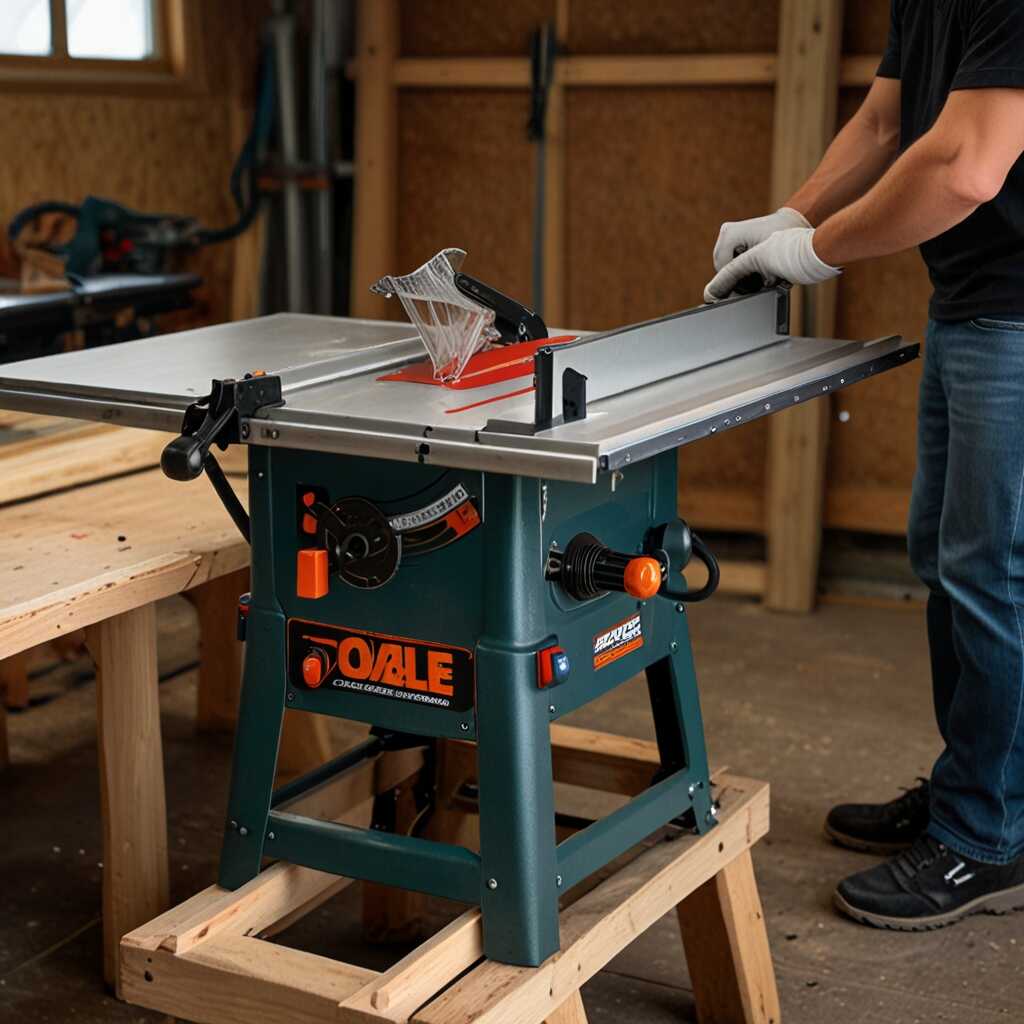
Discover the best scroll saw blades for various materials.
High-quality skip-tooth blades are best for cutting hardwood because they offer smooth cuts and reduce burning. Choosing the right blade for metal cutting involves selecting a blade with a high TPI (Teeth Per Inch), typically between 20-25 TPI. Top brands for high-quality scroll saw blades include Olson Saw, Flying Dutchman, and Pegas. Scroll saw blades should be replaced after 2-4 hours of continuous use to maintain optimal performance, especially when working on intricate woodworking patterns.
Selecting the Ideal Blade for Different Materials
Blades with 12-14 TPI are recommended for hardwood cutting to ensure clean and precise cuts. The maximum cutting speed for blades designed for metal is around 1,200 strokes per minute. Scroll saws typically have three main blade types: standard, skip-tooth, and double-tooth, each suited for different materials and woodworking plans. The average lifespan of a high-quality scroll saw blade is approximately 3-5 hours, depending on usage and material hardness.
Understand the importance of proper scroll saw maintenance.
Key steps in maintaining a scroll saw for longevity include regular cleaning, lubrication, and checking for worn parts to ensure smooth operation. A scroll saw should be cleaned and lubricated after every 10 hours of use to maintain its performance. Common signs that a scroll saw needs maintenance include unusual noises, decreased cutting accuracy, and increased vibration. Essential tools and products for scroll saw maintenance include a soft brush, lubricating oil, and a set of Allen wrenches, with brands like DeWalt offering reliable options.
Essential Maintenance Practices for Longevity
Cleaning a scroll saw after use takes approximately 15 minutes, ensuring all dust and debris are removed. Lubricating a scroll saw should be done every 10 hours of operation to keep moving parts functioning smoothly. Performing at least three different maintenance tasks monthly, including blade tension checks, will help maintain the scroll saw’s performance. The average annual cost of maintenance products for a scroll saw is around $50, covering items like oil and replacement parts from brands like Dremel.
- Average blade speed is 1,200 strokes per minute
- Popular model: DEWALT DW788
- Blade changes take less than 30 seconds
- Table tilts up to 45 degrees
- Costs range from $100 to $500
- Weighs around 56 pounds
- Motor power is about 1.3 amps

Find inspiration from scroll saw woodworking project ideas.
When I first started with scroll saw woodworking, beginner-friendly projects like simple name plaques and animal silhouettes were invaluable. These projects are not only easy but also help in understanding the basics of scroll saws. Unique and creative scroll saw project plans can be found on websites like Scroll Saw Woodworking & Crafts and Etsy, which offer a plethora of designs. Customizing scroll saw projects to make them unique can be done by altering patterns, adding personal touches, or using different types of wood. Trending scroll saw projects in the woodworking community currently include intricate mandalas, layered 3D designs, and holiday-themed decorations, which are often featured in popular woodworking magazines.
Exploring Popular Scroll Saw Project Trends
For practice, it is recommended to start with at least five beginner-friendly projects to build confidence and skills. Completing a small project typically requires about 2-4 hours, depending on the complexity. Free project plans can be found on over 50 different online sources, including Pinterest and Instructables. Each year, woodworking magazines like Woodworker’s Journal and Scroll Saw Woodworking & Crafts feature around 20-30 trending projects, showcasing the latest in design and technique.
Master the art of scroll saw fretwork and inlay.
Starting with fretwork involves mastering basic techniques such as piercing, cutting, and sanding. Achieving precise cuts for intricate inlays requires a steady hand, a fine-toothed blade, and patience. Essential tools and materials for fretwork and inlay include a scroll saw, jeweler’s saw, various blades, and thin wood veneers. Practicing to improve fretwork and inlay skills can be done by regularly working on small, detailed projects and gradually increasing the complexity.
Step-by-Step Fretwork and Inlay Techniques
Basic fretwork requires at least three different tools: a scroll saw, a jeweler’s saw, and a variety of blades. The ideal thickness for wood used in inlays is typically around 1/8 inch to ensure ease of cutting and fitting. Completing a small fretwork project usually takes about 3-5 hours, depending on the detail and precision required. Mastering inlay techniques is best achieved with at least 10-15 practice sessions, focusing on accuracy and consistency.