Unlocking the versatility of scroll saws for crafting opens up a world of intricate and detailed projects for DIY home improvement fans. These saws are incredibly useful for creating detailed cuts and designs in various materials, making them a must-have tool for any serious crafter or DIY enthusiast.
Table of Contents
- Discover the potential of scroll saws for intricate crafting projects.
- Choosing the right blade for detailed designs
- Explore scroll saw techniques for cutting various materials.
- Optimizing saw settings for different materials
- Understand the importance of scroll saw safety measures.
- Ensuring a safe workspace for scroll saw use
- Find inspiration from scroll saw crafting project ideas.
- Creating custom patterns for unique projects
- Master the art of scroll saw embellishments and engraving
- Techniques for achieving perfect engravings
Discover the potential of scroll saws for intricate crafting projects.
Scroll saws come in different types, including parallel arm, C-arm, and parallel link. Each type has unique features that cater to various crafting needs. The blade type significantly affects the intricacy of the design; for example, a fine-toothed blade allows for more detailed cuts. Some of the best brands for high-quality scroll saws include DeWalt, Delta, and Jet, known for their durability and precision. To maintain the precision of a scroll saw for detailed work, regularly clean the blade and table, and ensure the blade tension is properly adjusted.
Choosing the right blade for detailed designs
For intricate cuts, a blade with 20 to 25 teeth per inch is ideal. The ideal blade thickness for delicate materials is around 0.012 inches, which allows for fine, precise cuts without damaging the material. Scroll saws offer a variety of blade types, including plain-end, pin-end, and spiral blades, each suited for different tasks. A high-quality scroll saw blade typically lasts for about 20 to 30 hours of continuous use, depending on the material being cut and the complexity of the design.
Explore scroll saw techniques for cutting various materials.
Scroll saws can cut a wide range of materials, including wood, metal, plastic, and acrylic. Adjusting the scroll saw for different material thicknesses involves changing the blade tension and speed settings, which ensures clean and accurate cuts. When cutting metal, it’s best to use a metal-cutting blade and apply a lubricant to reduce friction and heat. To achieve smooth edges when cutting acrylic, use a fine-toothed blade and apply masking tape along the cut line to prevent chipping.
Optimizing saw settings for different materials
The recommended speed setting for cutting wood is around 1200 to 1600 strokes per minute, which provides a balance between speed and control. Cutting metal requires several adjustments, including lowering the speed to around 400 to 800 strokes per minute and increasing the blade tension. The optimal blade tension for plastic materials is firm but not overly tight, ensuring smooth and precise cuts. Switching settings between different materials typically takes about 5 to 10 minutes, depending on the complexity of the adjustments needed.
- Make intricate designs easily
- Scroll saws help create smooth edges
- Reduce waste with precise cuts
- Use various materials like wood and plastic
- Improve crafting speed
- Perfect for detailed projects
- Great for beginners and experts
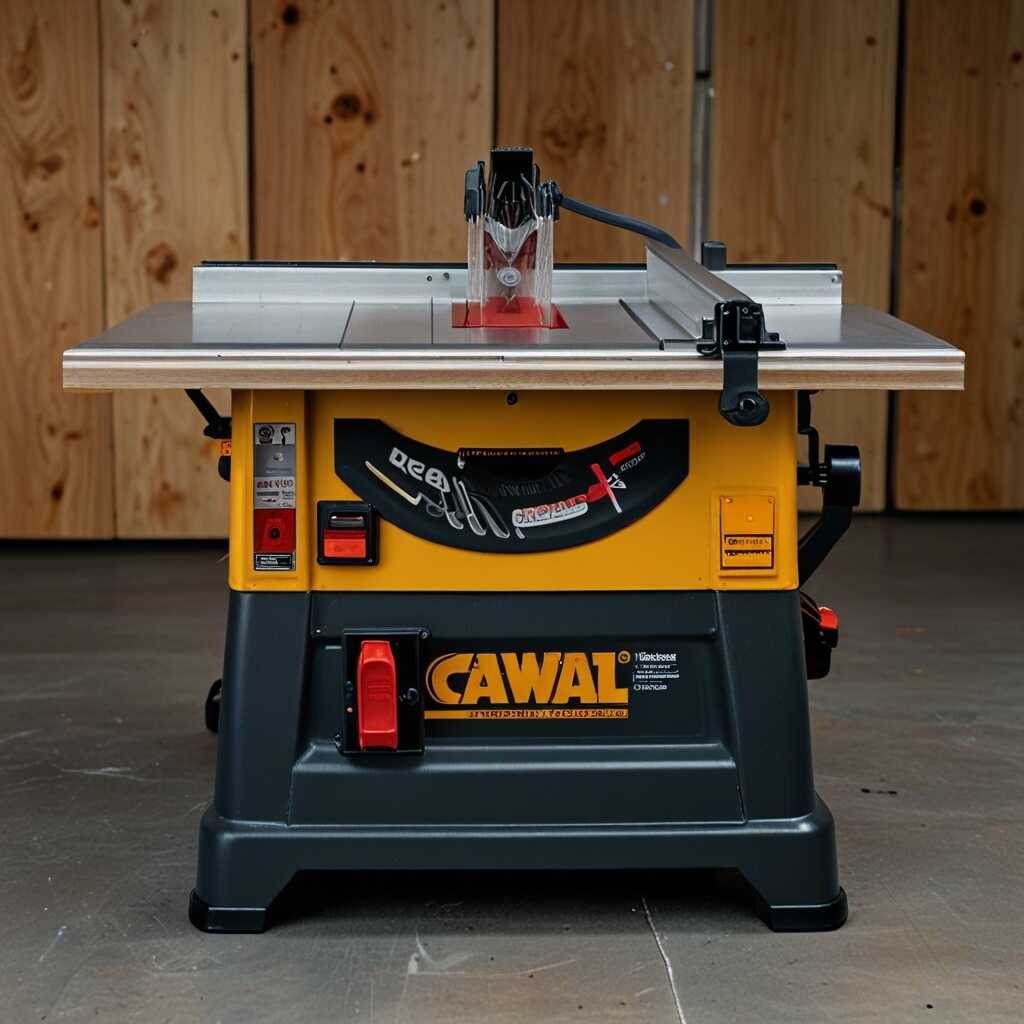
Understand the importance of scroll saw safety measures.
Essential safety gear items for using a scroll saw include safety glasses, ear protection, and a dust mask. Safety glasses protect eyes from debris, while ear protection shields hearing from noise levels that can reach up to 90 decibels. Dust masks are crucial for preventing inhalation of fine sawdust particles, which can accumulate quickly during use. Securing materials properly before cutting involves clamping the wood firmly to the saw table, ensuring it does not shift. Common hazards associated with scroll saws include blade breakage, which can occur if the blade is not correctly tensioned or if too much force is applied. Prevent blade breakage by regularly checking blade tension, and using the correct blade type for the material being cut, like those from brands like Olson Saw.
Ensuring a safe workspace for scroll saw use
Perform at least three safety checks before starting to ensure everything is in order. Keep hands at least 2 inches away from the blade at all times to prevent accidental cuts. Inspect the blade for damage every time before use, as a damaged blade can break and cause injury. Ensure a minimum of 3 feet of space around the saw for safe operation, allowing for easy movement and preventing accidents. A clear and organized workspace is essential for both safety and efficiency when using a scroll saw from brands like DeWalt.
Find inspiration from scroll saw crafting project ideas.
Popular scroll saw projects for beginners include simple puzzles, name plaques, and coasters. Customize patterns for unique projects by using design software like Adobe Illustrator, which offers various tools for creating intricate designs. Advanced project ideas for experienced users include intricate fretwork, layered portraits, and 3D sculptures, which require a higher level of skill and precision. Free scroll saw project templates can be found on websites like Scrollsaw Workshop, which offers a wide range of patterns for all skill levels.
Creating custom patterns for unique projects
Designing a custom pattern typically involves five steps: sketching the design, digitizing it, refining the details, testing the pattern, and finalizing it. The average time needed to create a custom pattern can range from a few hours to several days, depending on the complexity of the design. Various software tools, such as Inkscape and CorelDRAW, can be used for pattern design, each offering unique features and capabilities. The typical size limit for custom scroll saw patterns is determined by the saw’s throat depth, which for most models, like those from Hegner, is around 20 inches.
- Can cut materials up to 2 inches thick
- Scroll saw blades can move at 1,500 strokes per minute
- Average scroll saw weighs around 30 pounds
- Top brands like DeWalt offer models under $300
- Blades can be changed in under a minute
- Uses less than 200 watts of power
- Over 50 types of blades available
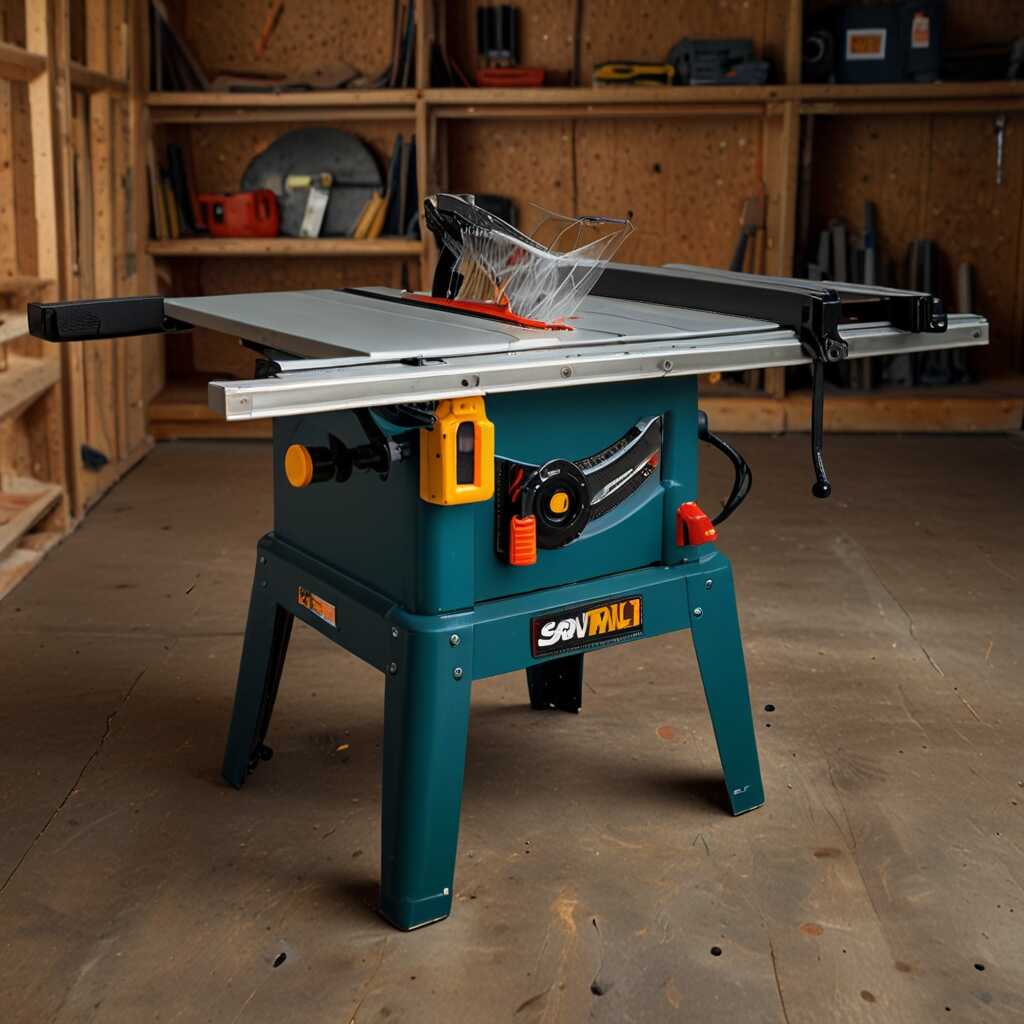
Master the art of scroll saw embellishments and engraving
Mastering the art of scroll saw embellishments and engraving requires a variety of tools, including fine blades, sanding sticks, and precision files. Achieving precise engravings on wood involves using a scroll saw with a variable speed control and fine-tooth blades for better control. Techniques for adding texture to scroll saw projects include using different blade types and sanding techniques to create unique patterns. Enhancing the appearance of scroll saw crafts with paint can be achieved by using high-quality acrylic paints and fine brushes to add detailed colors and finishes.
Techniques for achieving perfect engravings
Achieving perfect engravings often requires multiple passes, usually between two to three, to ensure depth and clarity. The ideal engraving depth for most projects is around 1/8 inch, providing a balance between visibility and material integrity. Scroll saws typically offer a variety of engraving tips, with at least five different tips available for different textures and depths. The average time to complete a detailed engraving varies but can take approximately 30 minutes to several hours, depending on the complexity and size of the design.