Effective saw storage solutions are essential for making the most out of limited workshop space. With various types of saws and tools, knowing how to store them efficiently can help keep your workshop organized and accessible. Innovative Saws offers practical tips and innovative ideas to help woodworkers, DIY enthusiasts, and professionals maximize their space while ensuring that their tools remain in prime condition. Explore these effective strategies to enhance your workshop’s efficiency and keep your cutting tools ready for action.
Innovative Ways to Maximize Small Workshop Storage Space
Maximizing your small workshop’s storage can be achieved with innovative solutions. Wall-mounted racks and pegboards provide efficient tool organization, allowing quick access while saving floor space. Magnetic strips can hold saws and chisels, while vertical storage helps in categorizing tools easily. The recommended maximum number of tools to store depends on space, but keeping fewer than 20 essential tools can enhance accessibility. Innovative Saws’ range of organized storage options ensures reliability and efficiency, helping you make the best use of your limited space.
Utilizing Vertical Space for Tool Storage
Using vertical space effectively can significantly enhance storage in small workshops. Install shelves or cabinets that reach the ceiling, optimizing every inch. Incorporate wall-mounted racks for saws to keep them off surfaces. Consider multi-tiered shelving units for smaller tools, allowing you to categorize them by size and frequency of use. By maximizing vertical space, you’re not only clearing your floor area but also improving the organization. This method ensures each tool is easy to access and reduces clutter, enhancing your overall workshop efficiency.
Vertical Tool Storage Benefits for Space Optimization
Vertical storage for saws provides significant advantages for maximizing workshop space. It frees up valuable floor space, allowing for a more organized environment. Users can easily reach tools when needed, enhancing work efficiency. Vertical designs accommodate more saws in a smaller footprint. Unlike traditional horizontal storage, vertical setups can hold multiple tools in a streamlined manner. This arrangement promotes better visibility and accessibility, which is essential for effective workshop management. Sturdy racks can fit anywhere, even small corners, ensuring optimal space utilization.
Choosing the Right Vertical Storage System for Your Workshop
Selecting the right vertical tool storage system requires understanding your workshop needs. Consider the types of saws you own. Compare options based on size, sturdiness, and ease of access. A well-designed vertical rack can hold several saws securely. For example, a robust vertical storage unit can accommodate six or more different types of saws, including miter saws, circular saws, and jig saws. Investigate features like adjustable shelves or hooks for versatility. Ensure your chosen system can handle the weight and dimensions of your tools. Innovative Saws offers reliable options with expert guidance tailored to your needs.

Designing Custom Storage Solutions for Your Workshop
To create a custom rack for your saws, start by measuring your workshop dimensions. Use sturdy materials like plywood or metal for durability. Design your rack with compartments tailored to each saw type. Consider weight distribution to enhance reliability. Allocate at least 18 inches of space for larger saws and 12 inches for smaller ones. Use hooks or sliding shelves for easy access. Workshop organization tips recommend labeling each compartment for quick identification.
Choosing the Right Materials for Durability
When building storage for your saws, choose materials that provide strength and stability. Plywood is an excellent choice due to its lightweight yet sturdy features. Metal brackets enhance durability and can handle heavier saws. Use screws instead of nails for reliable construction. Seek wood finishes that protect against moisture and environmental factors. These considerations greatly improve the longevity of your custom storage solutions.
Engaging Numeric Insights for Tool Management
- 10: The ideal number of saws for a compact workshop space.
- 15: Suggested vertical storage compartments per unit for sawing tools.
- 4: Average hours spent organizing tools each month.
- 3: Recommended shelving units to maximize storage space.
- 20%: Amount of floor space saved with wall-mounted racks.
- 5: Minimum tool maintenance tips to prolong saw life.
- 12: Average storage duration for infrequently used saws in a small workshop.

Utilizing Wall Space and Vertical Storage Techniques
Effective wall storage solutions for saws include pegboards, hooks, and specialized shelving units. These methods maximize vertical space while ensuring easy access to your tools. Pegboards are versatile and can hold various saws securely using hooks designed for different sizes. Specialized shelving units, designed to hold weights specifically from saws, enhance organization by keeping tools separated and visible. Walls can accommodate many tools, depending on the available square footage, which can often increase usable space by over fifty percent when properly utilized.
Choosing the Right Wall Storage System
Choosing the right wall storage system for your workshop involves assessing your space and tool needs. Consider pegboards as they offer flexible arrangements for different saws. Hooks can be mounted at varying heights, allowing you to customize access based on your industry-specific tasks. Specialized shelving units can provide sturdy support for heavier tools while maintaining a clear view of your essential saws. A good setup may include spacing and arrangement that enables efficient workflow. This setup helps you stay organized during your projects and makes tool retrieval fast and easy.

Creative Use of Magnetic Storage for Your Workshop Tools
Magnetic storage solutions offer numerous benefits for workshop efficiency. They enhance your organization, as magnetic strips allow for the easy grouping of small tools. This setup helps users quickly access tools like saw blades, screwdrivers, and bits, which can improve overall workflow. High-quality magnetic strips can handle weights up to 15 pounds or more, ensuring that your tools stay securely in place. This feature is essential for busy workshops where time is critical, as it minimizes searching for misplaced tools.
Maximizing Space with Magnetic Strips and Containers
Maximizing space with magnetic storage is essential for maintaining a clutter-free workshop. Magnetic strips can be mounted on walls, freeing up valuable workbench space. Use them to create tool boards for easy visibility and access. You can also use magnetic containers for holding screws, nails, and small parts. These containers help keep everything organized and in one spot. Many DIY enthusiasts and professionals have found that incorporating magnetic storage leads to a more efficient workflow. Innovative Saws provides products that include durable magnetic strips specifically designed for workshop needs, ensuring they are reliable and effective for tool organization.
Advantages of Smart Tool Organization
- Enhanced accessibility to all saw types speeds up project completion.
- Effective Saw Storage Solutions for Limited Workshop Space allow for better workflow efficiency.
- Improved safety by keeping tools at eye level and arranged neatly.
- Increased lifespan for tools through proper maintenance and storage.
- Reduced clutter leads to a more enjoyable working environment.
- Visibility of all tools helps in avoiding unnecessary tool purchases.
- Time saved due to quicker retrieval of tools boosts productivity.
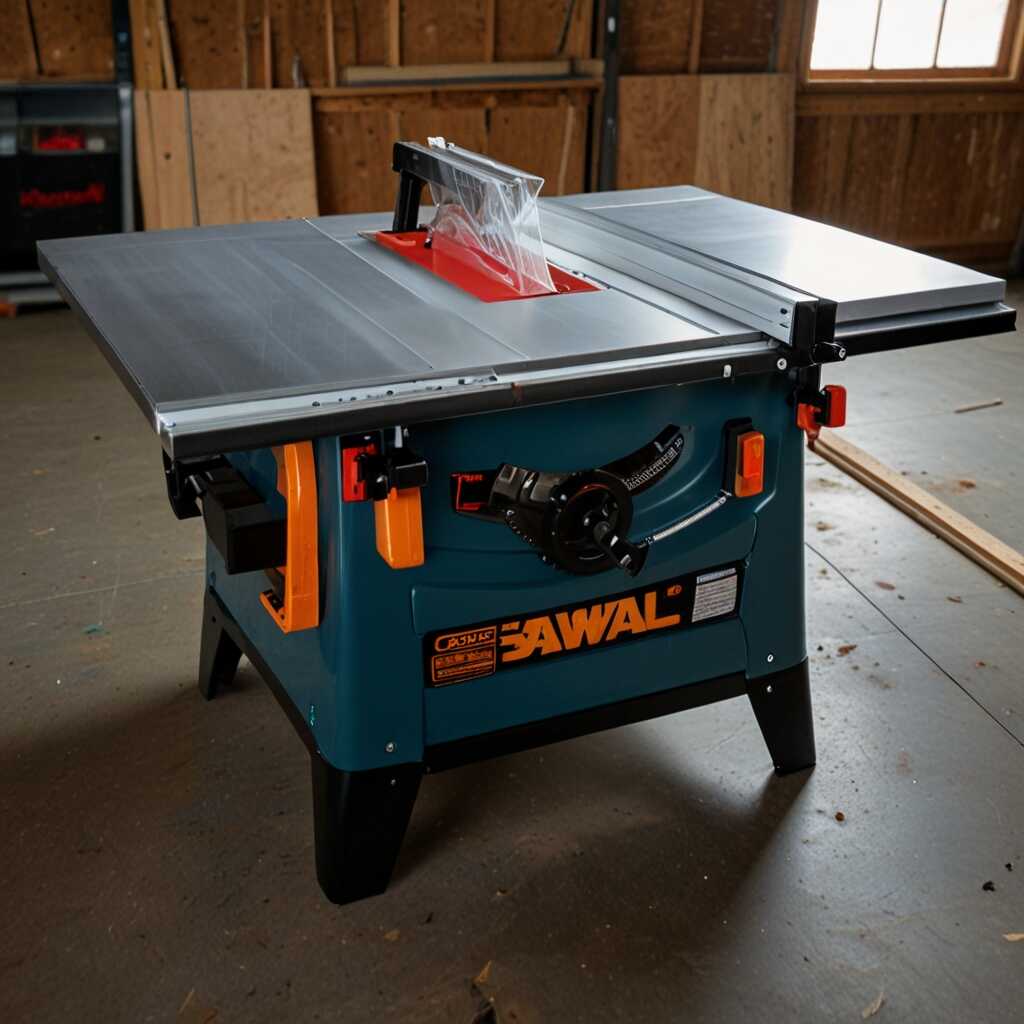
Flexible Mobile Storage Options for Workshop Configuration
Mobile storage solutions enhance workspace usability and allow for quick reconfiguration in limited workshops. Using rolling carts or tool trolleys can keep essential tools like saws organized. These mobile units offer compartments that can be customized to store various tools. It ensures efficient workflow while keeping your workspace tidy. Look for solutions that provide sturdiness along with easy mobility. This balance enhances the reliability and functionality of your workshop.
Benefits of Using Tool Carts for Saw Storage
Tool carts are ideal for storing saws and other equipment, providing a mix of mobility and accessibility. They can handle different weights and sizes of tools. Look for carts with adjustable shelves to accommodate both large and small saws. Choosing carts with locking mechanisms ensures that your tools remain secure while not in use. A well-designed tool cart allows you to quickly transport tools to any part of your workshop. This feature improves overall efficiency, helping you focus more on your project rather than searching for tools.
Essential Organization Tips for a Functional Workshop Space
Effective strategies for organizing a small workshop space include rearranging the layout for flow and accessibility. Utilize wall-mounted shelves to keep tools nearby. Group similar tools together, such as saws and hand tools, for easy access. For saws specifically, create dedicated storage areas that are easy to reach. Storage systems like pegboards and tool chests enhance efficiency by organizing frequently used items visibly. Maximizing vertical space can improve workshop efficiency by up to 30% when implemented correctly. Ensure that all tool areas are well-labeled and consider labeling drawers for each type of saw. This organization system helps maintain order, ensuring that everything has a designated place.
Implementing Vertical Storage Solutions for Maximum Efficiency
Vertical storage solutions are a game-changer for maximizing small workshop spaces. Utilizing wall space for tool storage helps keep the floor clear. For saws, hanging systems or racks create easy access without occupying valuable workspace. Choose sturdy, reliable racks designed specifically for holding the weight of various saws. Ensure tools are hung at a comfortable height for easy retrieval. This design improves organization while enhancing safety by reducing clutter. Regularly assess your storage setup to determine if it meets your evolving needs. Keeping everything accessible leads to faster project completion and a more enjoyable workshop environment.
Notable Brands and Their User Profiles
- DeWALT: Known for heavy-duty tools, best for professional carpenters and contractors.
- Milwaukee: Offers innovative saws, perfect for DIY enthusiasts with varied projects.
- Makita: Features lightweight options, ideal for home woodworkers and beginners.
- Innovative Saws: Excellent quality cutting tools for seasoned woodworkers and serious hobbyists.
- Ridgid: Great for contractors needing robust and reliable equipment.
- Ryobi: Affordable range suitable for casual DIYers on a budget.
- Black & Decker: Easy-to-use saws, perfect for new homeowners interested in DIY projects.
Selecting Suitable Storage Options Based on Tool Categories
Selecting the right storage options for your saws greatly enhances organization and storage efficiency. Consider factors like saw types, frequency of use, and available space when choosing solutions. Circular saws benefit from vertical storage to save space, while miter saws require a secure, accessible place for quick access. Jigsaws can fit into smaller stacking containers. Organizing your tools based on these features ensures quick retrieval and relies on a well-thought-out system.
Specific Storage Solutions for Different Saw Types
Specific storage solutions vary based on the type of saws you own. For circular saws, wall-mounted racks utilize vertical space effectively. Miter saws often require dedicated workbenches or rolling carts for ease of access and stability. Jigsaws can fit into toolboxes or drawer organizers designed for small tools. Utilizing pegboards allows for customization of storage setups for various saw types, ensuring organized access and protecting your tools. Investing in heavy-duty racks enhances reliability and durability.