The evolution of sawing technology through history reveals how cutting tools have transformed over time. From ancient hand saws to modern power tools, each advancement has enhanced efficiency and precision for woodworkers and builders. Innovative Saws specializes in these tools, showcasing a variety of options that cater to experts and DIY enthusiasts alike. Understanding this historical development can help you choose the right saw to meet your needs and improve your projects.
Exploring the Ancient Origins of Sawing Tools
Ancient sawing tools included crude hand-saws made from flint and bronze in various civilizations. Egyptians used serrated bronze saws for cutting wood and stone. In Greece, saws evolved with the introduction of iron, enhancing durability and efficiency. Ancient Romans adopted these saws, adding improvements like more ergonomic designs. Ancient saws can be categorized into types like the frame saw, panel saw, and hand saw, tracing at least five distinct styles back to that era. The use of materials like wood, bronze, and iron was fundamental in developing reliable tools for construction and woodworking.
Comparative Analysis of Ancient Saw Designs Across Civilizations
Analyzing the designs of ancient sawing tools reveals significant cultural adaptations. Egyptian saws typically had a rectangular blade and were often used in tomb construction, showcasing craftsmanship. Greek designs featured innovative changes like increased blade length for larger cuts, enabling efficient lumber processing. Roman saws included advancements such as fixed handles and improved blade alignment, enhancing user comfort. Each civilization utilized readily available materials, such as wood for the frames and metals for the blades, ensuring each saw’s performance met their specific needs. This historical comparative analysis helps us understand how ancient tools laid the groundwork for modern cutting technology.
Significant Technological Advancements in Sawing Through Time
Over the centuries, sawing technology has witnessed key innovations that transformed its use. Ancient civilizations utilized tools like the hand saw and bowsaw for basic cutting tasks, which laid the groundwork for later advancements. The introduction of powered saws in the 19th century marked a major turning point, allowing for quicker and more efficient cutting. Today, types of saws range from circular and band saws to specialized tools like tile and masonry saws. Moreover, studies have identified several significant milestones in sawing technology, highlighting shifts in design and functionality that enhance performance.
Impact of Power Tools on Modern Sawing Techniques
Power tools have dramatically changed the landscape of sawing techniques. Early powered saws improved efficiency, enabling faster cuts and more intricate designs. Electric saws introduced in the mid-20th century, such as circular and reciprocating saws, enhanced usability with reduced physical strain. These modern developments provide woodworkers, contractors, and DIY enthusiasts with reliable tools for achieving precision cuts. Innovative Saws offers a broad selection, ensuring that users can find a saw designed for their specific needs while enhancing overall cutting performance.
Evolution of Materials Used in Saw Production
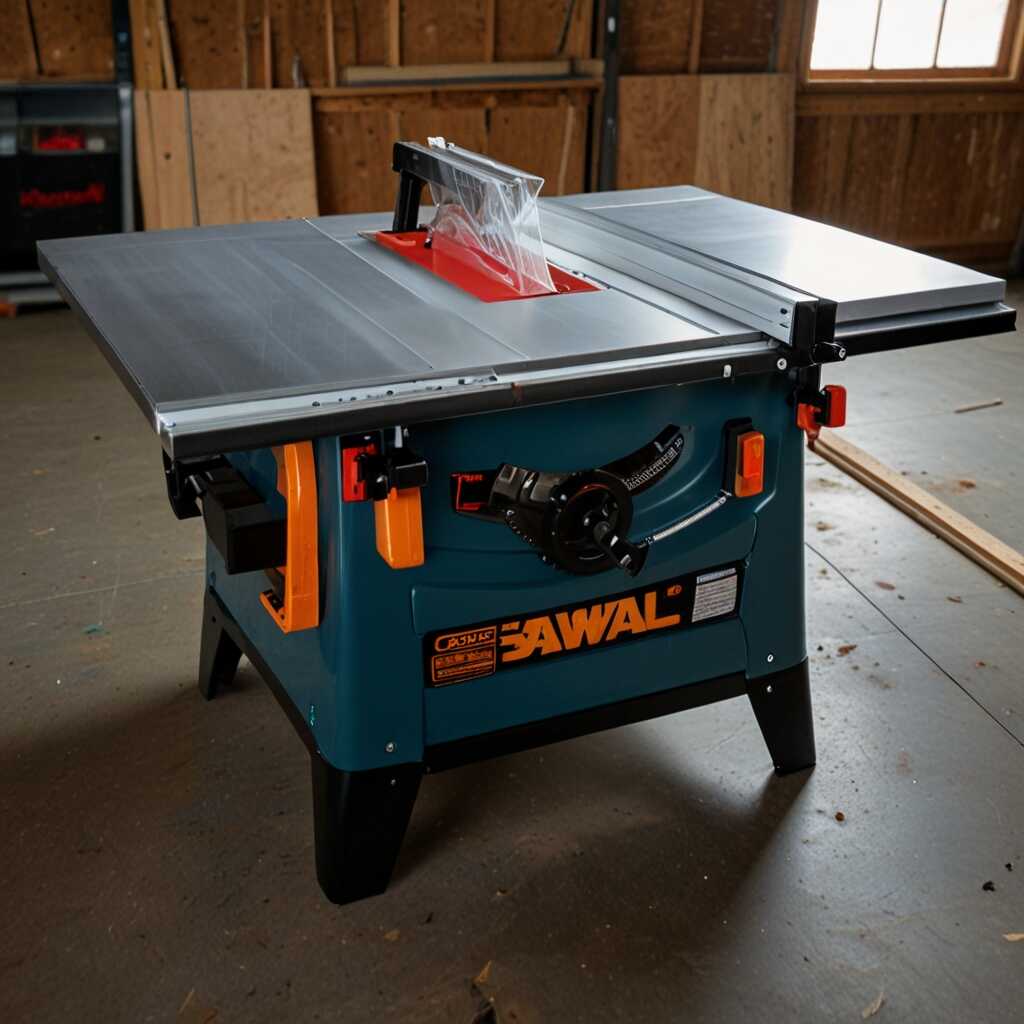
Originally, saws were crafted from wood and basic metals. Early saws utilized hardwood for the frame and iron for the cutting edge. Over time, advancements led to the use of high-quality metals like carbon steel and tool steel, offering improved durability and performance. Modern production sees the adoption of cutting-edge composites and high-carbon stainless steel, enhancing the saw’s reliability. The adoption of advanced materials in saw manufacturing has led to increased efficiency and performance with longer-lasting tools. Studies have shown that adopting these new materials can improve saw longevity and cutting accuracy, enabling precise and reliable results.
Understanding Modern Cutting Materials
Modern saw production increasingly incorporates materials like titanium and carbide composites, providing significant enhancements in performance. Titanium’s lightweight nature improves maneuverability, while carbide composites are known for their hardness and wear resistance. These materials allow sawing tools to handle tough materials like metals and masonry with ease. Tools made from these advanced materials can offer prolonged cutting life and improved cutting speeds, specifically designed for professional and heavy-duty applications. Innovative Saws consistently evaluates these materials through rigorous testing to ensure their products deliver reliable and durable performance for all users.
Key Historical Milestones in Cutting Tool Development
- Circa 3500 BC: Ancient Egyptians used simple wooden saws for construction.
- 1st Century AD: Romans developed iron saws, improving durability and cutting efficiency.
- 600 AD: The first known sawmill appeared in Asia, harnessing water power.
- 1600s: Hand saws evolved, with improved designs for different cutting needs.
- 1800s: Industrial Revolution introduced powered saws, transforming woodworking practices.
- 1950s: Band saws gained popularity for their versatility in cutting shapes.
- Present Day: Innovative Saws offers advanced tools for professional and DIY use.

Notable Innovators and Their Contributions to Sawing Tools
Several notable innovators in sawing technology played crucial roles in the development of modern cutting tools. Among them is Leonardo da Vinci, who contributed designs for more efficient saw blades during the Renaissance. His work focused on enhancing the performance and efficiency of cutting tools. Another significant figure is Sir Joseph Whitworth, known for pioneering precision manufacturing techniques in the 19th century that improved saw blade quality. In the 20th century, William H. Murphy patented the first electric saw, revolutionizing woodworking efficiency. These inventors collectively propelled advancements in sawing technology, enabling better performance, reliability, and durability in cutting tools.
Exploring the Impact of Their Inventions on Modern Tools
The impact of these innovators on modern cutting tools is profound. They helped refine blade design and manufacturing processes, ensuring high precision and reliability in tools we use today. Innovations like da Vinci’s blade designs and Murphy’s electric saw transformed how woodworkers approach their projects. Tools from Innovative Saws incorporate lessons learned from these advancements, delivering excellent cutting efficiency and versatility. Modern tools often reflect features from historical designs, combining best practices with contemporary materials for improved durability and performance. Understanding these contributions helps users appreciate the advanced, reliable tools available now.

Impact of Saws on Historical Building Techniques
Saws have played a crucial role in shaping historical architecture. The major advancements in saw technology, including the development of the crosscut and rip saw, enhanced the efficiency of cutting wood. Historical structures, like the Parthenon and the Great Wall of China, showcase how saws enabled precise crafting of materials, allowing for complex designs. Many types of saws, such as the hand saw, frame saw, and panel saw, were utilized in historical architecture for various applications. These reliable cutting tools provided builders with the necessary means to carry out intricate projects and meet architectural standards.
Key Types of Saws in Historical Architecture
In historical architecture, various types of saws were essential for creating durable and reliable structures. The hand saw was widely used for smaller, detailed cuts. The frame saw was significant for larger panels and beams, allowing for better control. The panel saw enabled the accurate cutting of sheets of plywood or boards, which was important during the construction of significant buildings. Each type of saw helped craftsmen meet the demands of each project while ensuring quality workmanship. Innovative Saws offers a range of modern saws that provide similar precision, ensuring that woodworkers today can replicate the achievements of their historical counterparts effectively.
Advantages of Advancements in Cutting Mechanisms
- Increased efficiency, allowing faster and more precise cuts for projects.
- Improved versatility, enabling the handling of varied materials easily.
- Enhanced safety features reduce risk of injuries during use.
- Modern blade designs maximize cutting longevity and quality.
- Lightweight materials make tools easier to handle for various skill levels.
- Innovative designs provide users with more options to meet project needs.
- Availability of expert guidance supports both beginners and professionals.

Recent Innovations and Their Effect on Sawing Practices
Recent advancements in sawing technology include user-friendly designs that focus on portability and ease of use. Features such as laser guides and automatic blade adjustments enhance usability. Additionally, modern saws are equipped with safety features like blade guards and quick-stop mechanisms. These improvements ensure safer operation. By 2025, data shows that technology has greatly enhanced efficiency, allowing for faster cutting speeds and reduced material waste. Innovative Saws designs their products to meet these needs, helping woodworkers and professionals achieve their best work.
Key Features of Modern Saws for Enhanced Usability
Modern saws offer key features, such as ergonomic designs and lightweight materials that make them comfortable and easy to handle. Some saws include smart technology, allowing for precision adjustments based on user input. Bluetooth capability helps users connect to apps for enhanced cutting accuracy and control. These improvements address the evolving needs of woodworkers and DIY enthusiasts, ensuring that tools are not only reliable but also easy to operate. Features like dust collection systems make clean-up easier, enhancing the overall experience in the workshop.
How Modern Technology Increases Sawing Precision
Electronic saws have drastically enhanced precision in modern woodworking by incorporating features that minimize human error. These tools allow for intricate cuts by using sensors that detect material thickness and adjust blade settings automatically. Robotic sawing solutions also contribute significantly by ensuring consistent performance through programmed movements. These advancements improve cutting quality and speed, allowing craftsmen to work efficiently. Data from recent comparisons indicate that electronic saws can operate up to 50% faster than manual saws, making them a preferred choice for professionals.
Benefits of Robotic Solutions in Sawing
Robotic solutions in sawing technology offer unparalleled benefits, including increased accuracy and efficiency. These systems utilize advanced software to program precise cuts, reducing waste and improving material yield. Robotic arms can handle various materials, enabling complex projects to be completed with consistent results. Innovative Saws provides a variety of modern woodworking tools featuring robotic enhancements, ensuring that both efficiency and quality are prioritized. These tools are designed to be user-friendly while delivering excellent performance, making them ideal for professional and DIY users alike.
Notable Brands and Their User Applications
- Makita: Known for durability and precision; preferred by professional woodworkers.
- DeWalt: Offers a wide range of tools; popular among DIY enthusiasts for home projects.
- Milwaukee: Recognized for high-torque power tools; favored by contractors for heavy-duty jobs.
- Bosch: Known for innovative features; used frequently in both residential and commercial applications.
- Ryobi: Affordable options attract beginner woodworkers and hobbyists.
- Festool: Premium tools favored by professionals for detailed work; high cost limits some users.
- Innovative Saws: Extensive selection tailored for various users, ensuring satisfaction and expert advice.
Essential Tips for Choosing the Ideal Saw for Your Needs
When selecting a saw for woodworking projects, consider factors like the material type, cut precision, and design features. Different saw types serve specific purposes. For instance, circular saws offer speed for straight cuts while miter saws provide efficiency for angled cuts. Handsaws are great for detail work and require good techniques. Understand the project size and choose a saw that can handle the workload. Innovative Saws offers quality options across different price ranges, ensuring reliability and durability.
Comparing Saw Types for Optimal Performance
Circular saws excel in making fast, straight cuts through various materials like plywood and lumber. Miter saws enhance accuracy by allowing precise angle cuts for crown molding or trims. Handsaws deliver excellent control for intricate details but require more effort. Each type of saw has unique features designed for specific applications. High-quality saws from Innovative Saws provide the best performance, ensuring you achieve professional results consistently. Always consider the intended use and select a saw that is easy to handle for your skill level.