Thermal management is crucial for preventing overheating in electric saw motors, ensuring optimal performance and longevity. Proper thermal management systems can help dissipate heat and maintain safe operating temperatures, reducing the risk of motor failure. At Innovative Saws, we understand the importance of these systems in enhancing tool durability for various cutting applications. This article will explore effective techniques to manage heat in electric saw motors, empowering users to achieve better results and protect their investments.
The Role of Thermal Management in Electric Saw Efficiency
Thermal management refers to the strategies and systems designed to regulate temperatures in electric saw motors. It prevents overheating, ensuring reliable performance during extended cutting tasks. These systems often include fans, heat sinks, and thermal insulation to dissipate heat effectively. When overheating occurs, electric saws can experience performance issues, reducing their cutting efficiency and lifespan. Effective thermal management helps maintain optimal operating temperatures, allowing saws to cut through materials smoothly without compromising their durability or user safety. Advanced thermal management systems can reduce motor temperatures by up to 30%, significantly enhancing operational reliability during demanding projects.
Key Components of Thermal Management Systems
Essential components of thermal management systems include fans, heat sinks, and advanced cooling materials. Fans circulate air across the saw motor, rapidly removing heat. Heat sinks absorb and dissipate excess heat into the surrounding environment. Some electric saws use thermal pads and phase change materials to regulate temperatures. These materials can absorb heat and release it at controlled rates, improving electric saw performance. Innovative Saws prioritizes these features in their tools, helping users maintain cutting efficiency even during long and challenging tasks.
Identifying the Key Factors That Cause Overheating
Overheating in electric saw motors can stem from several key factors. User practices such as improper usage and lack of maintenance significantly contribute. Failures to follow manufacturer guidelines create additional risks. Environmental factors like high ambient temperatures and limited ventilation can worsen the situation. Mechanical issues also play a role, including blade binding, worn-out bearings, and insufficient lubrication. These elements collectively reduce efficiency and can lead to premature tool failure.
Understanding User Practices That Contribute to Overheating
Common user practices impacting overheating in electric saw motors include continual usage without breaks, ignoring maintenance protocols, and using dull blades. Continuous operation without proper rest periods can cause motors to operate above their rated temperatures. Dull blades require more power and increase friction, leading to heat buildup. Regular maintenance is essential and includes blade cleaning and lubrication of moving parts. Ignoring these practices decreases efficiency and durability, risking overheating during operation.

Essential Components of Effective Cooling Systems
Effective cooling systems in electric saw motors include components like fans, heat sinks, and thermal pads. Each part plays a critical role in regulating temperature. Fans circulate air to remove heat, while heat sinks absorb and dissipate heat away from the motor. Thermal pads create a better connection between heat-sensitive components and dissipative materials. This interaction ensures reliability and enhances the longevity of electric saws. Understanding these components helps maintain quality performance and prevents overheating during extended use.
How Fans and Heat Sinks Work Together for Optimal Cooling
Fans work in tandem with heat sinks to ensure efficient thermal management in electric saws. When the motor operates, it generates heat that needs to be managed to prevent failure. Fans draw in cool air and push warm air away from the motor. Heat sinks absorb excess heat produced during operation, increasing the surface area for heat dissipation. This effective combination can reduce motor temperatures significantly, improving performance and extending the tool’s lifespan. Regular maintenance of these components assures optimal cooling functionality, ensuring the electric saw can handle demanding tasks.
Key Numerical Insights into Heat Regulation in Electric Cutting Devices
- Electric saw motors can operate efficiently at temperatures up to 80°C.
- Heat buildup can reduce motor efficiency by up to 30% over time.
- With effective cooling, a motor can last 50% longer than one without proper management.
- Temperature spikes can occur within seconds during heavy use.
- Maintaining optimal temperatures can enhance performance by a margin of 25%.
- Most saw manufacturers recommend a maximum runtime of 15-20 minutes without cooling.
- Up to 90% of electric motor failures result from overheating issues.

Advantages of Implementing Specialized Cooling Solutions
Specialized cooling systems in electric saw motors provide several key benefits. They enhance operational efficiency by maintaining optimal temperature levels. This leads to improved performance during extensive use. Enhanced tool lifespan results from effective thermal management, reducing the risks of overheating. Users can also expect improved safety features, minimizing the risk of burns or equipment failure. A reliable cooling system ensures that the motor operates smoothly, even during heavy-duty tasks. Such systems can increase performance by as much as 35%, according to recent data. Innovative Saws emphasizes the importance of these features for both professional contractors and DIY enthusiasts.
How Cooling Solutions Improve Performance and Safety
Specialized cooling solutions drastically improve both performance and user safety in electric saws. These systems efficiently dissipate heat generated during operation. This helps maintain optimal motor temperature and ensures consistent cutting efficiency. With reliable thermal management, users experience a notable reduction in unexpected breakdowns. Brands like Innovative Saws incorporate advanced cooling technologies into their tools. These designs prioritize user safety by reducing heat-related risks, providing a more comfortable working experience. Users can also expect better performance metrics, including increased cutting speed and smoother operations. These features elevate the overall quality and reliability of the tools while promoting efficient workflows.
Operating Electric Saws to Minimize Overheating Risks
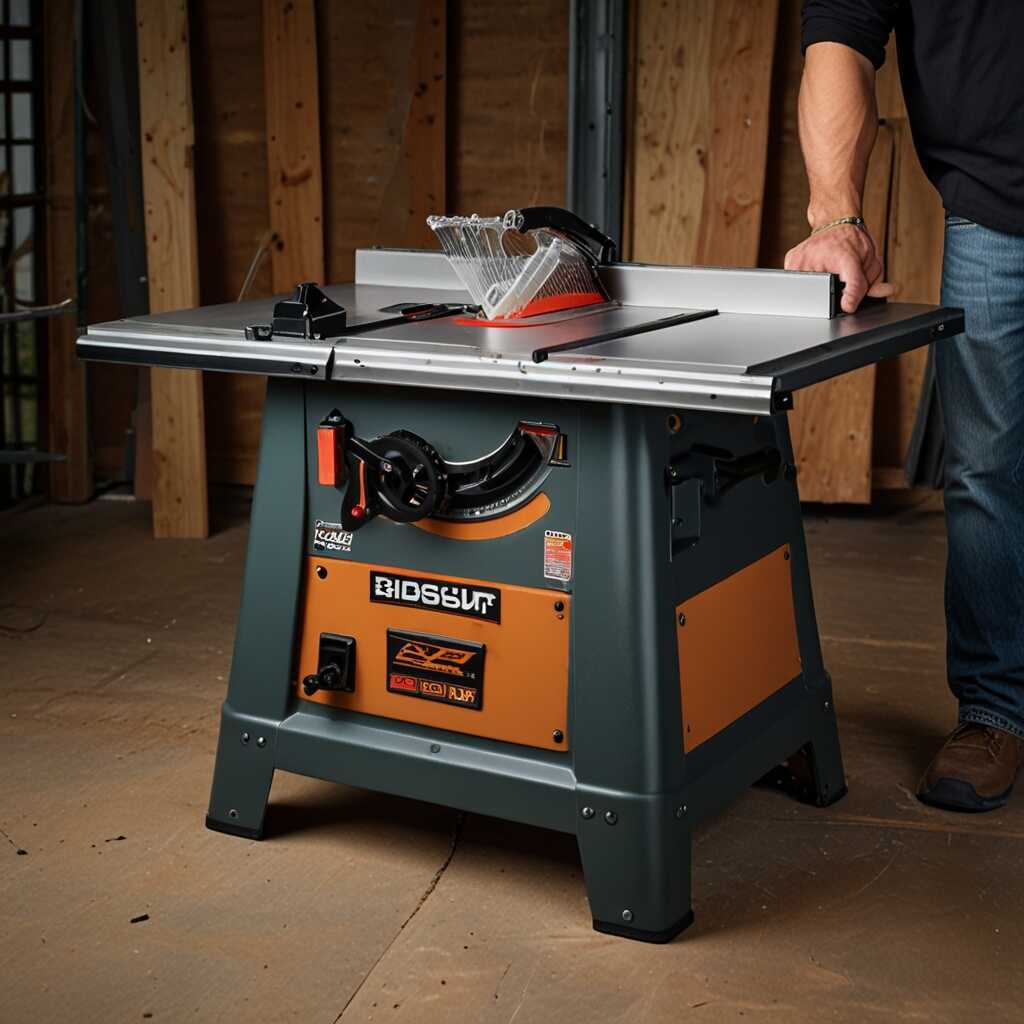
Effective techniques for operating electric saws without overheating include taking breaks during extended use, ensuring proper ventilation, and regularly maintaining blades. Always check the manufacturer’s guidelines for the specific electric saw model regarding recommended operating practices. Professional contractors and DIY enthusiasts should utilize thermal management systems, such as those designed into saw motors, to enhance reliability and efficiency. These systems can include climate control features and cooling fans that help regulate temperature. The maximum operating temperature for most electric saw motors is typically around 180°F (82°C) to 200°F (93°C), depending on the model.
Best Practices for Cooling Electric Saw Motors During Use
To cool electric saw motors effectively during use, operators should maintain a smooth cutting pace. Avoid forcing the saw through the material, as this generates excessive strain, leading to overheating. Regularly inspect and clean cooling vents and filters to ensure optimal airflow. Using sharp blades specifically matched to the material type enhances cutting efficiency while reducing heat generation. Consider investing in saw models with advanced thermal management systems which provide added cooling capabilities, improving overall performance.
Advantages of Effective Heat Control in Electric Cutting Tools
- Preventing overheating enhances the motor’s operation and longevity.
- This approach reduces the risk of sudden failures and repairs.
- Tools with proper thermal management maintain consistent cutting speeds.
- Users notice smoother operation and improved performance throughout tasks.
- Effective heat control can improve tool durability significantly.
- It decreases the chances of damaging internal components during use.
- Well-managed temperatures support safer working environments for users.

Recognizing Overheating Signs in Electric Saw Motors
Electric saw motors can exhibit several signs of overheating. Common indicators include excessive heat emanating from the motor casing, unusual smells resembling burning insulation, and visible smoke. If the saw motor begins to shut off unexpectedly or operates with diminished power, these are strong signs of overheating. Overheating can lead to decreased motor performance and reduce the overall lifespan of the tool. It’s essential to address these issues promptly to ensure electric saw safety and reliability.
Immediate Actions to Take When Overheating Occurs
When you notice overheating indicators in electric saw motors, immediate actions are critical. First, unplug the tool and allow it to cool down for at least 30 minutes. Check for any blockage in the cooling vents, as dust buildup can hinder airflow and lead to overheating. Inspect the motor for damaged wiring, which can cause failures. Consider using a reliable temperature monitoring device to track motor temperature during operation. Maintaining proper motor performance is essential to enhance durability and ensure safe operation.
Maintaining Cooling Systems for Peak Performance
To maintain cooling systems in electric saw motors effectively, regular inspections are essential. Check for dust buildup around vents and fans, as this can block airflow. Routine performance testing helps identify overheating issues early. It is important to look out for any signs of wear or damage in the cooling components. Every type of electric saw has unique maintenance needs. For example, miter saws often require specific attention to their ventilation efficiency, while circular saws may need checks on blade alignment affecting cooling. Inspections should occur at least every 20 to 30 hours of operation, or more frequently when the saws are under heavy use, ensuring that your cooling systems function optimally and prevent overheating.
Understanding the Importance of Cooling System Inspections
Regular inspections of cooling systems are crucial for maintaining the performance of electric saw motors. Frequent checks prevent overheating, maintaining a saw’s reliability and efficiency. During inspections, evaluate the cooling fan’s operation, inspect for dust buildup, and review coolant levels if applicable. Consider performing temperature tests on the motor casing after use. If the casing feels excessively warm, immediate attention is needed. Making maintenance a priority extends the durability of your tools and improves their overall operational performance, crucial for professional contractors, woodworkers, and DIY enthusiasts who rely on their equipment for precision cutting.
Target Users and Their Interest in Temperature Management Solutions
- Professional contractors rely on heat management to ensure tool efficiency.
- Woodworking enthusiasts seek ways to enhance project quality through reliable tools.
- DIY hobbyists prioritize safety and performance in their home projects.
- Tool maintenance specialists focus on extending the lifespan of equipment.
- Engineering students explore thermal management designs in electric motors.
- General users appreciate guidance on maintaining tool performance over time.
- Manufacturers look for feedback on thermal systems to improve product reliability.
Emerging Technologies in Electric Saw Thermal Management
Innovations in thermal management systems for electric saw motors include advanced cooling solutions, improved materials, and smart thermal sensors. These advancements enhance tool efficiency and user safety. Enhanced cooling solutions like liquid cooling can handle high heat levels, preventing thermal overload. New materials like heat-resistant composites also improve durability. Smart thermal sensors monitor real-time temperature, providing alerts to users, thus ensuring the tool operates within safe limits. Market growth projections for thermal management technologies expect significant increases, with forecasts suggesting reaching billions in revenue by 2025.
Benefits of Smart Thermal Sensors in Electric Saws
Smart thermal sensors in electric saws provide real-time monitoring of motor temperature. These sensors ensure the motor operates within optimal temperature ranges, reducing the risk of overheating. When temperatures rise, these sensors send alerts to users, enabling immediate action. This functionality enhances safety and prevents a decrease in tool performance. Consequently, users can maintain productivity while keeping the electric saw in peak operational condition. Innovative Saws emphasizes the inclusion of these advanced features across their product range, providing reliable options for professionals and DIY enthusiasts alike.