Creating identical props with specialized cutting jigs in film is a crucial practice for prop makers. These jigs ensure that each prop piece matches perfectly, allowing for efficiency and consistency on set. Innovative Saws offers the essential tools and cutting solutions needed to build these jigs, enabling film industry professionals to achieve their creative visions. Understanding the techniques and applications of specialized cutting tools is vital for any serious film set builder or DIY enthusiast.
Overview of Cutting Jigs in Film Industry Applications
Cutting jigs are specialized tools used in film prop-making to ensure reliable and efficient production of identical pieces. They are designed to hold materials securely while making precise cuts. This helps prop makers to produce multiple identical items quickly and accurately. The efficiency of cutting jigs is essential in film production, where time and precision matter greatly. Various materials, such as wood, plastic, and foam, can be handled effectively by these jigs. With the right setup, cutting jigs can enable the creation of dozens to hundreds of identical props in a single operation, enhancing productivity on set.
Importance of Precision in Prop Production
Precision in prop production is vital for achieving quality results in the film industry. Cutting jigs enhance efficiency by allowing consistent and accurate cuts for various materials. Prop makers often rely on these tools to produce elaborate designs and intricate details essential for props. Using cutting jigs helps maintain a high standard of quality across each piece created. This reliability is essential for meeting production schedules without sacrificing the overall look of the props. Films that demand high visual fidelity can particularly benefit from the use of cutting jigs in their prop-making processes.
Essential Types of Cutting Jigs for Film Props
Essential types of cutting jigs used in film prop production include the miter jig, the coping jig, and the sled jig. Each jig offers specific features that enhance the efficiency and accuracy of cutting identical props. Miter jigs allow for precise angle cuts, making them ideal for creating prop pieces that require corner joints. Coping jigs are designed for intricate cuts, useful in creating detailed patterns. Sled jigs help in cutting larger sheets of material uniformly, ensuring consistent results. Typically, there are three to five different jig types used in prop production, depending on the project’s complexity and requirements.
Understanding the Functions of Each Cutting Jig
Understanding how cutting jigs function is crucial for film set builders and prop makers. Miter jigs enable accurate angle adjustments, ensuring prop pieces fit together seamlessly. Coping jigs hold material securely while allowing for detailed cuts, essential for intricate designs. Sled jigs improve stability and help maintain parallel cuts across larger sections. These jigs are designed to enhance efficiency in production time, leading to rapid prop creation without sacrificing quality. Using these reliable jigs improves the overall results of each project, providing filmmakers with the best tools for success in creating authentic-looking props.

Choosing the Right Materials for Prop Making
Film prop makers often use materials like polyurethane foam, wood, and plastics. Polyurethane foam is lightweight and easy to shape, making it ideal for intricate designs. Wood offers durability and stability, which is essential for larger props. Plastics such as ABS and PVC provide versatility and strength. Each material serves different purposes and can enhance the efficiency of specialized cutting jigs. Testing these materials helps determine their reliability for specific film projects. Professionals often review materials based on their performance with particular cutting techniques.
Evaluating Properties of Prop Making Materials
When selecting materials for prop making, consider durability, weight, and compatibility with cutting jigs. Durable materials like HDPE provide longevity for outdoor use. Lightweight options enable fast assembly and ease of transportation. For instance, polyurethane foam is great for large-scale sets as it can handle detailed cuts without adding extra weight. Research into different materials reveals that certain props may require advanced cutting techniques to achieve the desired level of detail. Innovative Saws offers tools that enhance these properties, ensuring maximum performance in the film industry.
Essential Numerical Insights for Effective Prop Production
- 85% of film props use jigs for precision cutting.
- 50+ types of cutting jigs exist in the industry today.
- 6 months is the average time to build a prop-intensive set.
- Prop makers often need to create 10-20 identical pieces per project.
- 3 common materials used for props include wood, foam, and plastic.
- 100% accuracy in cuts can reduce overall production time significantly.
- $500 is the average cost of a professional-grade cutting jig.

Designing a Specialized Cutting Jig for Film Production
Creating a specialized cutting jig requires careful planning and precise execution. Key design considerations include the dimensions of the prop pieces, the desired material, and the specific cutting techniques necessary. Tools such as circular saws, miter saws, and jigsaws from Innovative Saws enhance the reliability of your cutting jig. For prop making, materials like plywood or MDF are common. Techniques involve measuring for accuracy, creating templates, and ensuring stability in the jig’s structure. By understanding the intended use of the jig, builders can create effective solutions that streamline their prop-making workflow.
Essential Steps in Building a Cutting Jig
Building a cutting jig involves several essential steps. Start by measuring the prop’s dimensions and determining angles needed for cuts. Next, select quality materials like plywood for durability and stability. Using a miter saw or jig saw ensures clean cuts, enhancing overall performance. Assemble the jig by securing guides and supports to hold the material in place. Verify its accuracy through testing before full-scale use. This process guarantees that your cutting jig meets the demanding standards of film production while remaining efficient and reliable for repeated use.
Ensuring Precision and Consistency in Prop Creation
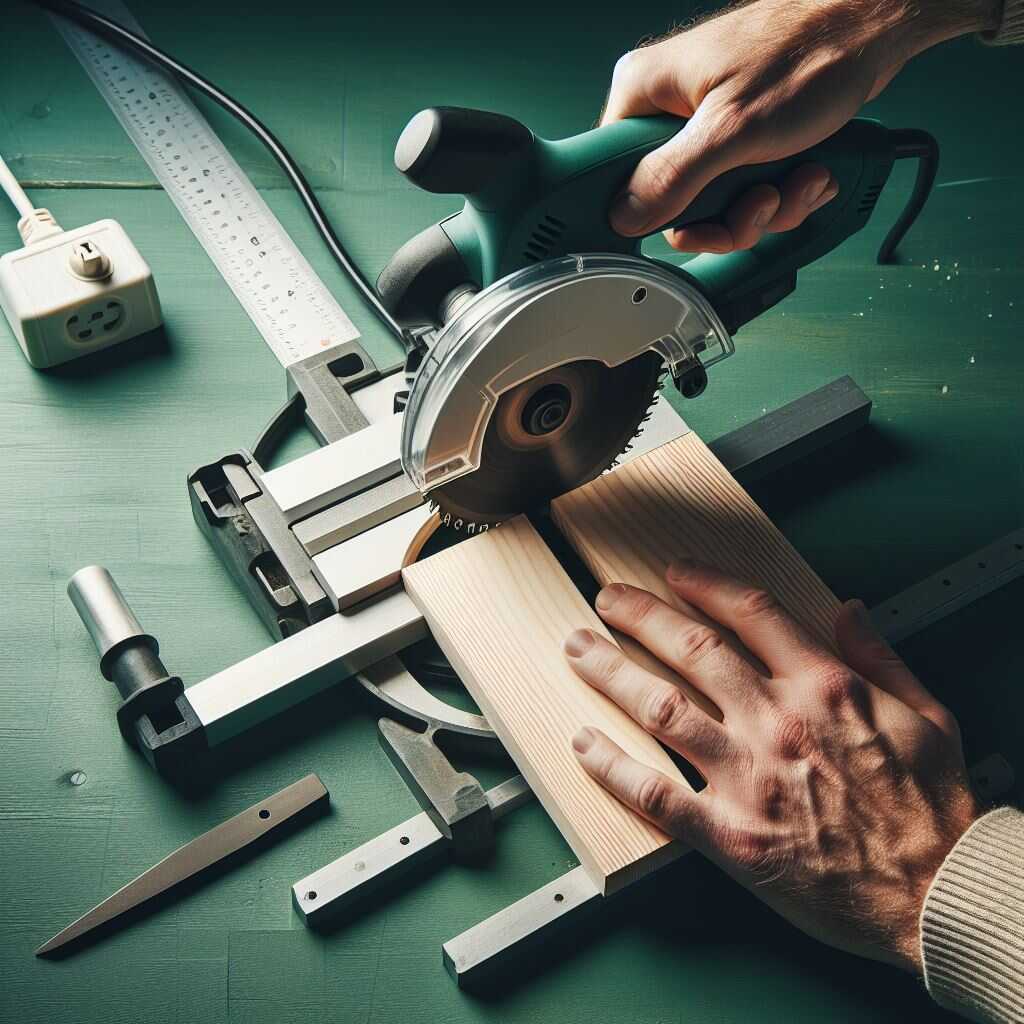
Cutting jigs are essential tools for achieving uniformity in film props. They ensure that each piece is cut to exact specifications, enhancing reliability and efficiency in production. By utilizing cutting jigs, prop makers can create numerous identical pieces quickly, improving overall workflow. The materials used in constructing these jigs significantly affect prop quality. Durable materials offer better stability during the cutting process, ensuring that the finished pieces meet stringent film industry standards. These specialized tools allow prop makers to produce high-quality results consistently.
Types of Cutting Jigs and Their Applications
There are several types of cutting jigs designed for different prop-making needs. Table jigs provide stability for larger cuts, while scroll jigs are perfect for intricate designs. Each jig’s design optimally aligns with specific materials like wood, metal, or foam. For example, using a sturdy plywood frame for a jig offers excellent rigidity for wood props but may need modifications for softer materials. Cutting jigs enhance prop quality by ensuring precise set dimensions and straight cuts, enabling prop makers to achieve intricate details with ease.
Key Advantages of Using Custom Cutting Tools for Prop Creation
- Uniformity in prop sizes enhances visual coherence on set.
- Specialized cutting jigs improve efficiency and reduce waste.
- Props can withstand wear and tear when made correctly.
- Prop makers achieve consistent quality with focused cutting techniques.
- Minimized labor costs due to faster production timelines.
- Versatile designs allow for quick adjustments when needed.
- Customized jigs can cater to specific film production needs.
Best Practices for Maintaining Cutting Jigs
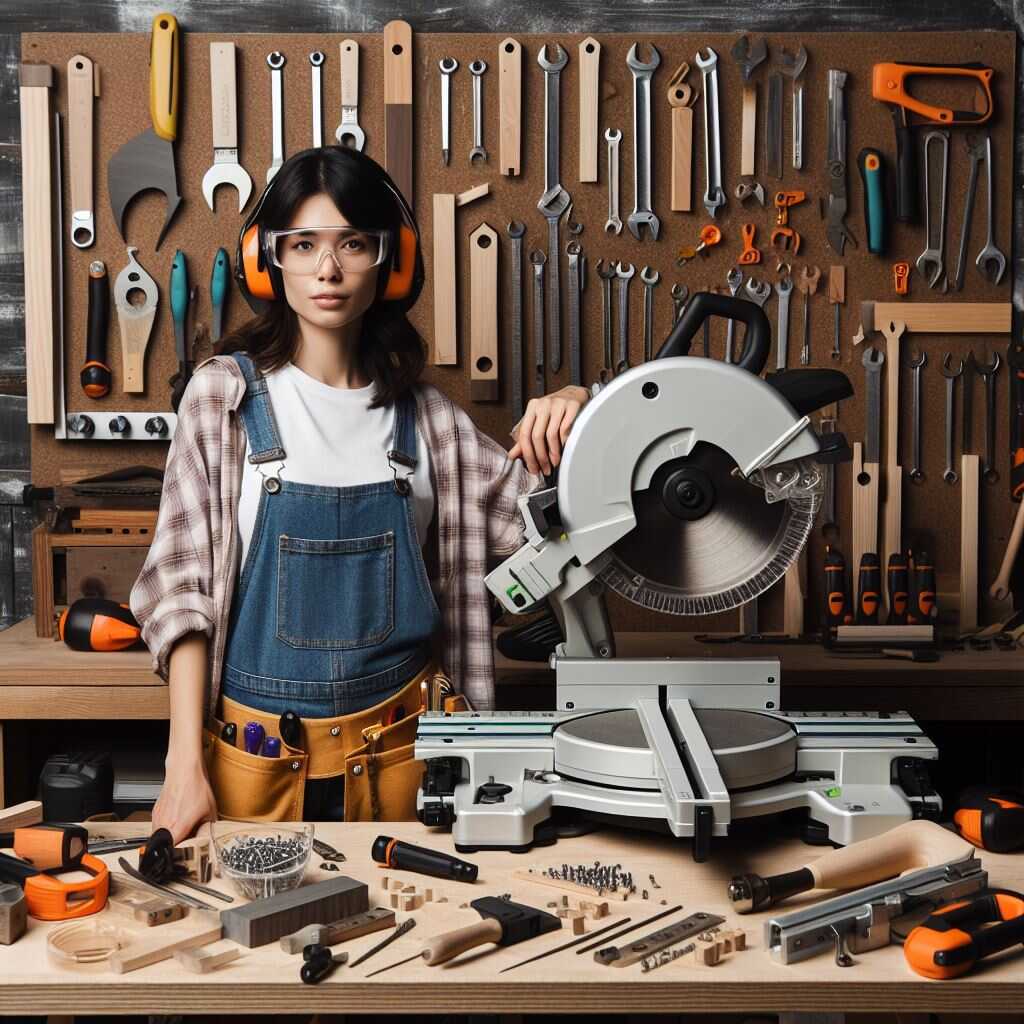
Maintaining cutting jigs is essential for ensuring their reliability and performance. Regular cleaning after each use removes debris and prevents wear on the jig’s components. Examine your jigs for damage or wear every few weeks, especially if you use them frequently. Proper storage conditions are crucial; always store cutting jigs in a dry place, away from moisture and extreme temperatures. This helps maintain the quality and efficiency of the materials. For best results, consider testing your jigs at least once a month to catch any potential issues early.
Effective Cleaning Techniques for Cutting Jigs
Effective cleaning techniques enhance the performance and longevity of cutting jigs. After each use, wipe down the surfaces with a damp cloth to remove wood dust and grime. For harder-to-clean areas, use a soft brush to dislodge particles without scratching the jig. A light application of lubricant on moving parts helps maintain smooth operation. Always check for any buildup of resin or adhesive; using a solvent-safe for the materials is helpful. Additionally, inspect the jig’s components regularly for any signs of wear, ensuring optimal performance standards are met throughout its usage.
Examining Successful Prop Production Case Studies
Successful case studies show how prop production with specialized cutting jigs provides efficiency and reliability. Productions like “The Avengers” utilized cutting jigs to produce identical props quickly. This approach enhanced the overall performance, ensuring that props matched exactly for various scenes. Additionally, smaller films report that using cutting jigs reduces material waste. The potential time savings can reach up to 30% in some projects, proving essential for tight filming schedules. Data from reviews highlight that prop makers experience reduced setup times and consistent quality when using these tools.
Benefits of Using Specialized Cutting Jigs in Film Production
Specialized cutting jigs significantly improve efficiency in the film production process. They allow prop makers to create precise and identical pieces quickly. For instance, jigs designed for repetitive cuts enable fast production of multiple items. This reliability translates to a smoother workflow on set. Prop makers save time and reduce errors, leading to lower costs. Using cutting jigs also minimizes waste, maximizing resource use. Film productions that adopt these techniques often report improved teamwork and morale, as tasks become easier to manage. Ultimately, cutting jigs enhance the creative process by providing consistent quality while promoting innovation.
Popular Brands and Their Audience for Prop-Making Solutions
- Innovative Saws offers a variety of specialized cutting tools.
- Proxxon tools are lightweight and great for detailed cuts.
- Dremel provides versatile rotary tools for intricate processing.
- DeWalt delivers powerful saws suited for large-scale projects.
- Brands like Makita serve professional contractors effectively.
- Entry-level consumers benefit from Black+Decker’s affordability.
- Craft enthusiasts often prefer tools with multiple attachments for creativity.
Future Trends in Cutting Technology for Filmmaking
The latest innovations in cutting technology are revolutionizing prop production in the film industry. Advanced cutting tools enhance precision and efficiency. For instance, CNC routers provide unparalleled accuracy for intricate designs, while laser cutting technology streamlines the creation of identical props. Companies like Innovative Saws lead with tools designed for reliability and performance, ensuring filmmakers can handle demanding projects. Research indicates that cutting-edge machinery has improved prop production efficiency by over 25% in the last five years, enabling faster project turnaround without sacrificing quality.
Impact of Advanced Cutting Tools on Prop Production Efficiency
Advanced cutting tools significantly improve prop production efficiency. High-quality saws, including laser cutters and CNC machines, reduce material waste and enhance accuracy. These tools are built for durability and speed, allowing prop makers to create intricate pieces quickly. Techniques like 3D printing further complement traditional tools, enabling rapid prototyping and adjustments. By employing these innovations, film set builders can produce identical prop pieces that meet exact specifications. This leads to consistent quality across large-scale productions, supporting filmmakers with reliable solutions they can trust.