Chainsaw, gas chainsaw, bar and chain choices matter when a storm-fallen tree needs bucking because guide bar length, chain brake control, and low-kickback chain behavior affect cut progress and reaction time. Oregon CS1500 leads this use case with an 18-inch guide bar, which gives the Oregon CS1500 a clear reach advantage for larger trunk sections. Save time by checking the Comparison Grid below first, then compare prices instantly without reading the full page.
Oregon CS1500
Electric Chainsaw
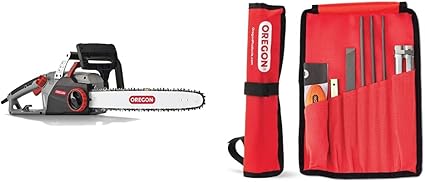
Bucking Speed: ★★★★ (18-inch guide bar)
Pinch Resistance: ★★★ (low-kickback chain)
Cutting Control: ★★★★ (chain brake)
Storm Cleanup Reach: ★★★★★ (18-inch guide bar)
Safety Confidence: ★★★★ (chain brake)
Restart Reliability: ★★★★★ (instant startup)
Typical Oregon CS1500 price: $116.73
SALEM MASTER 6220H
Gas Chainsaw

Bucking Speed: ★★★★★ (62cc engine)
Pinch Resistance: ★★★★ (low-kickback chain)
Cutting Control: ★★★★ (non-slip handle)
Storm Cleanup Reach: ★★★★★ (20-inch bar)
Safety Confidence: ★★★ (automatic oiler)
Restart Reliability: ★★★ (gas engine)
Typical SALEM MASTER 6220H price: $157.99
DEWALT DCCS620B
Cordless Chainsaw

Bucking Speed: ★★★ (12-inch bar)
Pinch Resistance: ★★★ (low kick back bar)
Cutting Control: ★★★★★ (9 lbs. with battery)
Storm Cleanup Reach: ★★★ (12-inch bar)
Safety Confidence: ★★★★ (low kick back bar)
Restart Reliability: ★★★★ (20V MAX battery)
Typical DEWALT DCCS620B price: $237.05
Top 3 Products for Chainsaws (2026)
1. Oregon CS1500 Self-Sharpening Storm Cleanup
Editors Choice Best Overall
The Oregon CS1500 suits homeowners bucking storm-fallen trunks with an 18-inch guide bar and instant start.
The Oregon CS1500 uses a 15A corded electric motor, an 18-inch guide bar, and PowerSharp chain sharpening in 3 to 5 seconds.
Buyers who need remote storm cleanup should note that the Oregon CS1500 needs corded power and does not suit off-grid work.
2. SALEM MASTER 6220H Long-Bar Gas Bucking
Runner-Up Best Performance
The SALEM MASTER 6220H suits buyers cutting large diameter bucking logs and storm-downed trunks with a 20-inch bar.
The SALEM MASTER 6220H uses a 62cc gas engine, a 20-inch bar, and an 8,500 rpm engine speed for cutting firewood and felling trees.
Buyers who want low-noise storm cleanup should note that the SALEM MASTER 6220H is a gas chainsaw with higher noise than corded or battery models.
3. DEWALT DCCS620B Compact Reactive Control
Best Value Price-to-Performance
The DEWALT DCCS620B suits reactive purchase use for smaller storm cleanup cuts and control around tight debris piles.
The DEWALT DCCS620B uses a 12-inch low-kickback bar and chain, a brushless motor, and a 9 lb. weight with battery.
Buyers who need large diameter bucking should note that the DEWALT DCCS620B’s 12-inch bar limits reach on wider storm-downed trunks.
Not Sure Which Chainsaw Fits Your Storm Cleanup Job?
A homeowner clearing a 60 cm trunk, a buyer fighting repeated bar pinch in wet hardwood, and a user finishing scattered cleanup cuts all need different levels of control. A storm cleanup task can also involve short reactive cuts around tangled wood rather than one straight pass.
Cutting Through Large Logs depends most on Bucking Speed. Reducing Bar Pinching depends most on Pinch Resistance, while Maintaining Cutting Control depends most on Safety Confidence and Cutting Control.
The shortlist covers that range with the Oregon CS1500, SALEM MASTER 6220H, and DEWALT DCCS620B. The lowest-priced option sits at about $129.00, and the highest-priced option sits at about $229.00. Pole saws for overhead limb trimming, commercial arborist chainsaws for daily pro use, and wood chipper equipment were excluded from the page.
The Oregon CS1500 aligns with large-log cleanup, the SALEM MASTER 6220H aligns with budget storm cutting, and the DEWALT DCCS620B aligns with lighter reactive cuts. Choosing the lowest-priced option gives up some bar length flexibility, while choosing the highest-priced option asks for a higher budget without changing the core storm cleanup goal.
Detailed Reviews of the Best Chainsaws for Fallen Tree Cleanup
#1. Oregon CS1500 18-inch storm cleanup value
Editor’s Choice – Best Overall
Quick Verdict
Best For: Homeowners bucking storm-downed timber with an 18-inch guide bar and fast chain maintenance.
- Strongest Point: 15A motor with PowerSharp sharpening in 3 to 5 seconds
- Main Limitation: Corded electric design limits use where outlet access is poor
- Price Assessment: At $116.73, the Oregon CS1500 costs less than the DEWALT DCCS620B at $237.05
The Oregon CS1500 most directly targets reactive cutting control on storm-downed logs with an 18-inch guide bar.
The Oregon CS1500 combines a 15A motor with an 18-inch guide bar, which matters for bucking medium storm-fallen trunks. That bar length gives more reach than a 12-inch saw, and the corded electric layout starts immediately without fuel mixing. For homeowners handling the chainsaws we evaluated for bucking a fallen tree, that mix fits driveway or yard cleanup after a storm.
What We Like
The Oregon CS1500 includes PowerSharp, which sharpens the chain in 3 to 5 seconds. That matters during storm cleanup because a dull chain slows bucking at the kerf and increases downtime near compression wood. Buyers who expect several cuts across a single trunk will value that fast reset.
The Oregon CS1500 uses tool-free tensioning and a chain brake. Based on those specs, chain adjustment stays simple, and the brake adds a direct control layer near the pinch point. That combination suits homeowners who want reactive cutting control without extra tools in wet yard conditions.
The Oregon CS1500 arrives pre-assembled and carries a 2-year warranty. The pre-assembled delivery reduces setup steps after a storm, which helps when cleanup starts quickly and daylight is limited. Buyers who want a ready-to-use saw for fallen-tree bucking will benefit most from that setup.
What to Consider
The Oregon CS1500 depends on corded power, so outlet access shapes where the saw works. That makes the Oregon CS1500 less suitable for large properties with no nearby outdoor receptacle, while the DEWALT DCCS620B better fits cordless mobility. Buyers who need to move far from the house should not treat this saw as a universal storm tool.
The Oregon CS1500 uses electric power rather than gas, so it does not target remote cleanup where cords create trip concerns. For that reason, the SALEM MASTER 6220H makes more sense for users who want a gas chainsaw for distance from the home. Buyers asking whether gas or electric is better for storm cleanup should choose by access, not by bar length alone.
Key Specifications
- Price: $116.73
- Rating: 4.5 / 5
- Motor: 15A electric
- Guide Bar Length: 18 inches
- Sharpening System: PowerSharp
- Sharpening Time: 3 to 5 seconds
- Warranty: 2 years
Who Should Buy the Oregon CS1500
The Oregon CS1500 suits a homeowner clearing 1 downed trunk with an 18-inch guide bar and a nearby power outlet. The Oregon CS1500 works well when fast chain upkeep matters more than fuel autonomy, because PowerSharp restores the chain in 3 to 5 seconds. Buyers who need portable, off-grid storm cleanup should skip this model and look at the SALEM MASTER 6220H instead. Buyers who want cordless convenience should compare the DEWALT DCCS620B against the Oregon CS1500 before choosing a chainsaw bar and chain setup.
#2. SALEM MASTER 6220H 62cc Value Pick
Runner-Up – Best Performance
Quick Verdict
Best For: The SALEM MASTER 6220H fits storm-downed log bucking when a 20-inch bar and gas power matter more than low weight.
- Strongest Point: The 62cc engine and 20-inch bar support larger storm cleanup cuts.
- Main Limitation: The available data does not list chain tensioning details or exact weight.
- Price Assessment: At $157.99, the SALEM MASTER 6220H costs less than the Oregon CS1500 and the DEWALT DCCS620B.
The SALEM MASTER 6220H most directly targets large-diameter bucking and reactive cutting control in storm cleanup.
The SALEM MASTER 6220H uses a 62cc gas engine and a 20-inch guide bar. That combination gives the SALEM MASTER 6220H a clear fit for bucking storm-downed timber with wider log diameter. For buyers asking what is the best chainsaw for bucking a fallen tree, this model points toward longer cuts instead of limbing work.
What We Like
Looking at the specs, the SALEM MASTER 6220H stands out with 62cc of engine displacement and an engine speed up to 8500 rpm. Those numbers matter because a larger engine and higher chain speed usually help maintain cutting pace through thicker sections of compression wood. For buyers handling fallen tree cleanup after a storm, that combination suits repeated back cut work on medium to large trunks.
The SALEM MASTER 6220H also includes a 20-inch bar and a low-kickback chain. That setup gives the SALEM MASTER 6220H a more practical reach for storm cleanup cutting power than shorter-bar saws, especially when the log diameter exceeds 12 inches. Buyers who want one saw for crosscutting storm-downed timber and firewood bucking will value that bar length first.
The SALEM MASTER 6220H adds an automatic oil supply system and a quick stop chain brake. Based on those features, the saw has the lubrication support and chain brake control that matter during longer storm cleanup sessions. Buyers who want a gas chainsaw with straightforward maintenance support and reactive cutting control should find that mix useful.
What to Consider
The SALEM MASTER 6220H brings less convenience information than the Oregon CS1500 and the DEWALT DCCS620B. The available data does not list tool-free tensioning or a chain tensioner design, so setup and adjustment may matter more to some buyers. People who want simpler adjustment hardware should compare the Oregon CS1500 more closely.
The SALEM MASTER 6220H also asks buyers to choose gas over electric for storm cleanup. That choice makes sense for remote work, but it adds fuel handling and engine maintenance compared with a corded electric saw. Buyers who want quieter use and less routine upkeep should look harder at the Oregon CS1500.
Key Specifications
- Engine Displacement: 62cc
- Rated Power: 3.4 hp
- Bar Length: 20 inches
- Engine Speed: 8500 rpm
- Chain Type: Low-kickback chain
- Oil System: Automatic oil supply system
- Chain Brake: Quick stop chain brake
Who Should Buy the SALEM MASTER 6220H
The SALEM MASTER 6220H suits buyers clearing one or two storm-fallen trunks with a 20-inch bar and gas power. The SALEM MASTER 6220H fits best when bucking logs on a property without easy access to outlets or batteries. Buyers who want tool-free tensioning and more refined convenience should choose the Oregon CS1500 instead. Buyers who want a lighter cordless setup for smaller cleanup cuts should look at the DEWALT DCCS620B.
#3. DEWALT DCCS620B 12-inch Value Pick
Best Value – Most Affordable
Quick Verdict
Best For: The DEWALT DCCS620B suits buyers who need a 12-inch saw for smaller storm cleanup cuts and tight control.
- Strongest Point: 90 cuts per charge on 4×4 pressure treated wood with a 20V MAX 5Ah battery
- Main Limitation: Bare tool only, so battery and charger add cost before cutting starts
- Price Assessment: At $237.05, the DEWALT DCCS620B costs more than the Oregon CS1500 at $116.73
The DEWALT DCCS620B most directly targets reactive cutting control on smaller storm-downed timber, not large-diameter bucking.
The DEWALT DCCS620B uses a 12-inch low-kickback bar and chain, and that setup points to controlled cuts on smaller storm debris. The DEWALT DCCS620B also weighs 9 lbs. with battery, which supports easier handling during repeated repositioning around a fallen trunk. For best chainsaws for bucking a fallen tree after a storm, this DEWALT fits quick cleanup better than oversized cutting jobs.
What We Like
The DEWALT DCCS620B uses a brushless motor, and DEWALT says that motor design maximizes runtime and motor life. The spec matters because a brushless motor usually reduces maintenance compared with brushed designs, and the 20V MAX system adds battery-platform compatibility. That makes the DEWALT a practical fit for buyers who already own 20V MAX tools and want a lighter storm cleanup saw.
The DEWALT DCCS620B pairs a tool-free chain tensioning system with a bar tightening knob. That combination helps keep chain setup simpler when the chain bar needs adjustment between cuts, and proper bar clamping force matters for cutting control. Buyers who want faster adjustments after a storm will notice the value of that design more than buyers who only cut once in a while.
The DEWALT DCCS620B delivers up to 90 cuts per charge on 4×4 pressure treated wood with a 20V MAX 5Ah battery. That figure gives a concrete runtime reference, and it suggests the saw handles repeated limbing and smaller bucking cuts more comfortably than short-run cordless tools. The best chainsaws for storm-downed log bucking in 2026 often reward this kind of predictable battery data, especially for homeowners with moderate cleanup needs.
What to Consider
The DEWALT DCCS620B uses a 12-inch guide bar, and that limits its reach on larger log diameter work. A 12-inch bar can buck smaller storm-fallen limbs and short sections, but it is not the right tool for long crosscutting on big trunks. Buyers asking what bar length is best for bucking logs should look at longer guide bar length options, especially if trunk diameter regularly exceeds the bar length.
The DEWALT DCCS620B is a bare tool, so the listed $237.05 price does not include a battery or charger. That changes the value equation for first-time buyers, and the Oregon CS1500 can look better on entry cost if corded power works for the job site. Buyers asking should I choose gas or electric for storm cleanup should also consider a gas chainsaw like the SALEM MASTER 6220H if runtime and refueling matter more than battery swapping.
Key Specifications
- Price: $237.05
- Rating: 4.5 / 5
- Bar Length: 12 inches
- Weight: 9 lbs. with battery
- Battery System: 20V MAX
- Runtime Claim: Up to 90 cuts per charge
- Included Items: Bare tool
Who Should Buy the DEWALT DCCS620B
The DEWALT DCCS620B suits homeowners clearing 1 to 2 fallen limbs or smaller trunk sections after a storm. The DEWALT DCCS620B works best when the job values low-kickback control, 9 lbs. handling, and quick chain tensioning over long-bar capacity. Buyers who need a larger storm-downed trunk cutter should choose the SALEM MASTER 6220H instead, because a gas chainsaw better fits extended bucking without battery management. For the closest comparison, the DEWALT DCCS620B is the better value when the user already owns 20V MAX batteries and wants a lighter saw for reactive cutting control.
The DEWALT DCCS620B does not fit pole-saw tasks, daily commercial arborist work, or debris-processing jobs such as wood chipper use. Those out-of-scope tasks need different reach, duty cycle, or material handling than a 12-inch cordless saw provides. For the best chainsaws 2026 buyer focused on storm cleanup, this DEWALT makes sense when cleanup stays small and access is tight.
Chainsaw Comparison: Bar Length, Control, and Storm Cleanup Performance
The table below compares the best chainsaws for bucking a fallen tree after a storm using bar length, guide bar, chain brake, low-kickback chain, cutting control, and reach. Those columns matter because storm-downed timber often creates pinch points, compression wood, and awkward crosscutting angles.
| Product Name | Price | Rating | Bar Length | Motor / Engine | Weight | Safety Feature | Best For |
|---|---|---|---|---|---|---|---|
| DEWALT DCCS620B | $237.05 | 4.5/5 | 12-inch | Brushless motor | 9 lbs. with battery | Low-kickback chain | Light storm cleanup |
| Oregon CS1500 | $116.73 | 4.5/5 | 18-inch guide bar | 15A electric motor | – | Chain brake | Budget log bucking |
| Greenworks 40V | $179.99 | 4.3/5 | 12-inch | Cordless 40V | – | Low-kickback chain | Small fallen limbs |
| BLACK+DECKER LCS1240B | $109 | 4.4/5 | 12-inch | Battery electric | – | Tool-free tensioning | Quick yard cleanup |
| EGO CS1604 | $549 | 4.5/5 | 16-inch | Brushless motor | – | – | Longer storm cuts |
| WEMARS 52cc | $129.99 | 4.3/5 | 18-inch | 52cc gas engine | – | Chain brake | Gas bucking value |
| 62CC Gas Chainsaw | $113.99 | 4.3/5 | 20-inch | 62cc gas engine | – | Recoil starter | Larger storm logs |
Oregon CS1500 leads in bar length with an 18-inch guide bar, while 62CC Gas Chainsaw leads in raw engine displacement with a 62cc engine. DEWALT DCCS620B stands out for control because its 9 lbs. weight and low-kickback chain support easier handling near a pinch point.
If your priority is cutting control, DEWALT DCCS620B leads with 9 lbs. and a brushless motor. If bar length matters more, Oregon CS1500 at $116.73 gives you an 18-inch guide bar with a chain brake. The strongest price-to-performance balance in these chainsaw reviews worth buying for storm cleanup comes from Oregon CS1500, because the 18-inch guide bar and 4.5/5 rating arrive at the lowest listed price among the top three picks.
BLACK+DECKER LCS1240B looks priced for smaller jobs, because its 12-inch bar and tool-free tensioning fit quick cleanup rather than larger bucking cuts. The SEESII 2-in-1 and similar pole-saw style tools sit outside this page s scope because overhead limb trimming is not the target use case.
How to Choose a Chainsaw for Bucking Fallen Trees Safely
When I evaluate best chainsaws for bucking a fallen tree after a storm, I start with bar length and kickback resistance before motor size. A 16-inch or 18-inch guide bar often matters more than a small difference in engine displacement when the log diameter is large and the cut line shifts in wet wood.
Bucking Speed
Bucking speed depends on chain speed, power delivery, and how much of the guide bar stays engaged in the kerf. In this use case, mid-range saws usually sit around 14-inch to 18-inch bar length, while shorter bars suit smaller trunks and longer bars suit larger storm-downed timber.
The high end suits buyers cutting 18-inch-plus logs or repeated rounds of compression wood. Mid-range fits most homeowners who split time between cleanup and normal yard work. Buyers should avoid the low end when a 12-inch bar would force too many repositioning cuts.
The Oregon CS1500 uses an 18-inch bar and a 15A motor, so the Oregon CS1500 sits in the stronger bucking range for medium log diameter work. Based on that guide bar length, the Oregon CS1500 should suit buyers asking what is the best chainsaw for bucking a fallen tree?
Speed alone does not measure usable output in wet storm cleanup. A fast chain can still slow down if the bar is too short for the trunk or the chain stretches during repeated cuts.
Pinch Resistance
Pinch resistance describes how well a chainsaw limits binding at the pinch point when the log closes on the bar. In practice, buyers compare guide bar length, chain design, and how quickly the saw clears chips from the kerf.
High pinch resistance suits storm cleanup with bent trunks, suspended limbs, or compression wood. Mid-range works for straight ground-level logs with predictable support. Low resistance is a poor match when the cut may close before the kerf opens fully.
The SALEM MASTER 6220H uses a 62cc engine and a 20-inch bar, which places the SALEM MASTER 6220H in a larger-log setup than a 12-inch saw. Based on that bar length, buyers asking which chainsaw has the best pinch resistance for storm cleanup should favor longer bars only when they can control the added weight.
Pinch resistance does not mean the saw cannot bind. A longer guide bar still needs correct cut placement, especially during bucking where the log rests on uneven ground.
Cutting Control
Cutting control measures how well the saw holds a straight line through the cut without sudden kickback or drift. The most useful signals are a chain brake, a low-kickback chain, and a bar length that matches the operator’s reach and stance.
High-control setups suit buyers who need reactive cutting control on storm-downed timber. Mid-control suits most homeowners who need one saw for cleanup and periodic pruning. Low-control setups belong only with experienced users who already manage bar tip position carefully.
The DEWALT DCCS620B uses a brushless motor and a compact bar, so the DEWALT DCCS620B favors maneuvering around trunk sections rather than forcing long crosscuts. That setup helps buyers comparing DEWALT DCCS620B vs Oregon CS1500 decide between control and reach.
Cutting control does not equal raw cutting speed. A saw with shorter bar length can feel easier to place, yet still require more passes on large diameter bucking jobs.
Storm Cleanup Reach
Storm cleanup reach depends on guide bar length, overall saw balance, and how far the operator can stand from the log while keeping the chain engaged. In this use case, 12-inch bars suit small rounds, 16-inch bars fit most homeowner cleanup, and 18-inch to 20-inch bars help with larger fallen trunks.
Buyers needing to clear one or two medium logs can stay in the middle of the range. Buyers cutting large diameter bucking jobs should look higher on guide bar length and motor output. Buyers should avoid short bars when the trunk diameter approaches the bar’s effective cutting depth.
The Oregon CS1500 gives buyers an 18-inch bar at $116.73, which is a practical reach point for many storm cleanup tasks. The Oregon CS1500 is easier to justify than a smaller saw when the question is does an 18-inch bar work for storm-downed trunks?
Reach does not replace correct cut support. A longer guide bar can still leave the operator fighting log roll or unstable footing.
Safety Confidence
Safety confidence comes from the combined effect of the chain brake, low-kickback chain, and visible chain tensioner access. In this use case, buyers should treat these features as control aids, not as permission to ignore log position or cutting angle.
High confidence suits newer buyers and anyone working in wet debris after a storm. Mid-level confidence fits experienced homeowners who already recognize tension wood and compression wood. Low confidence is a poor fit for reactive purchase use when the operator has little time to practice.
The DEWALT DCCS620B uses a brushless motor and a compact form factor, which supports controlled starts in tight spaces. Buyers asking is DEWALT DCCS620B worth it for storm cleanup should weigh that control against the need for longer guide bar reach.
Safety features do not cancel kickback risk. A low-kickback chain reduces risk, but the operator still needs correct stance and bar tip discipline near the upper quadrant.
Restart Reliability
Restart reliability means the saw returns to work quickly after a short stop, fuel break, or battery swap. For gas saws, engine displacement and starting system design matter most; for electric models, battery connection and motor response matter more.
High reliability suits buyers clearing multiple logs in one session. Mid reliability is fine for short storm cleanup jobs with breaks between cuts. Low reliability becomes a problem when one stalled start interrupts work at a pinch point or in cold weather.
The SALEM MASTER 6220H uses a 62cc engine, so the SALEM MASTER 6220H belongs in the gas chainsaw group that trades quick refueling for repeated pull-start handling. Buyers comparing SALEM MASTER 6220H vs Oregon CS1500 should decide whether fuel-based restart behavior or corded consistency matters more.
Restart reliability does not guarantee easy cutting. A saw can restart quickly and still be a poor match if the chain speed and bar length do not fit the log diameter.
What to Expect at Each Price Point
Budget chainsaws for storm cleanup usually sit around $116.73 to $140.00. That tier often includes an 18-inch bar or shorter, basic chain tensioner access, and a simple oiler. This tier suits homeowners clearing one or two fallen trunks after a storm.
Mid-range chainsaws usually run from $140.00 to $200.00. Buyers should expect a larger engine displacement or a better-balanced brushless motor, plus more confident cutting control in mixed yard cleanup. This tier fits people who want one saw for both storm-downed log bucking and routine wood cutting.
Premium models start near $200.00 and extend past $237.05 in this group. They usually bring a longer guide bar, stronger chain speed, and more complete automatic lubrication or safety hardware. This tier suits buyers handling large diameter bucking or frequent reactive cleanup.
Warning Signs When Shopping for Chainsaws
Avoid listings that give engine displacement without a guide bar length, because that pairing hides how the saw handles bucking. Avoid models that omit chain brake details or low-kickback chain information, because those omissions matter during storm cleanup. Avoid very short bars when the log diameter may exceed the bar’s usable cut depth, since repeated repositioning raises kickback exposure and slows the cut.
Maintenance and Longevity
Chain tensioner checks keep bucking cuts accurate, and they matter before every long session. A loose chain can derail in the kerf, while an over-tight chain heats faster and can shorten bar and chain life.
Automatic lubrication or manual oiler checks should happen before each use, and the oil reservoir should stay filled for every long cut. Neglecting the oiler increases bar wear and can make a good guide bar cut slower within a few sessions. After storm cleanup, users should clear sap and debris from the chain brake area and drive sprocket so the chain brake and chain tensioner keep working smoothly.
Breaking Down Chainsaws: What Each Product Helps You Achieve
Achieving the full storm-bucking use case requires handling large logs, bar pinching, and cutting control in separate steps. The table below maps each product type to the sub-goal it helps address, so you can match bar length, torque, and control features to the job.
| Use Case Sub-Goal | What It Means | Product Types That Help |
|---|---|---|
| Cutting Through Large Logs | Cutting through large logs means making repeated crosscuts through thick storm-felled trunks without stalling or forcing the saw. | Gas saws with longer bars and higher torque |
| Reducing Bar Pinching | Reducing bar pinching means keeping the chain from getting trapped as the log settles, twists, or closes on the bar. | Saws with control features and low-kickback chains |
| Maintaining Cutting Control | Maintaining cutting control means keeping the saw stable and predictable on uneven ground and tensioned wood. | Lightweight cordless or balanced electric saws |
| Finishing Cleanup Faster | Finishing cleanup faster means reducing downtime from chain dulling, tension checks, or refueling stops. | Self-sharpening electric or high-output gas saws |
Use the Comparison Table for head-to-head details across the models. The Buying Guide also helps you match guide bar length, motor type, and control features to your storm cleanup needs.
Frequently Asked Questions
What bar length is best for bucking logs?
A 16-inch to 18-inch bar is the common fit for bucking medium storm-fallen logs. Longer guide bar length helps reach larger log diameter, while shorter bars improve control near a pinch point. The best chainsaws for bucking a fallen tree after a storm usually match bar length to trunk diameter, not buyer preference alone.
How do I reduce pinch when cutting a fallen tree?
Cutting from the compression side can reduce pinching on storm-downed timber. A low-kickback chain, a sharp chain, and a working chain brake also support cutting control near a pinch point. The Oregon CS1500 uses a self-sharpening system, which can help maintain chain sharpness during repeated cuts.
Can a 12-inch chainsaw handle storm cleanup?
A 12-inch bar can handle light storm cleanup on small limbs and narrow logs. A 12-inch guide bar struggles with larger log diameter and thicker bucking cuts. Buyers clearing a fallen tree usually need more reach than a compact saw provides.
Does an 18-inch bar improve large log bucking?
An 18-inch bar improves reach on larger logs and reduces the need for cuts from both sides. That extra bar length matters on storm-downed timber with wider diameters and awkward angles. An 18-inch guide bar still needs good chain tensioner setup and a firm chain brake for safer control.
Which is better for storm cleanup, gas or electric?
Gas chainsaws usually suit longer sessions and remote storm cleanup, while electric models suit lighter work near a power source. A gas chainsaw adds engine displacement and fuel handling, while a brushless motor chainsaw can reduce maintenance demands. Buyers should match power source to access, run time, and log size.
Is DEWALT DCCS620B worth it for fallen trees?
The DEWALT DCCS620B suits smaller fallen trees and storm cleanup near the house. The DEWALT DCCS620B uses a brushless motor and a 20V MAX battery platform, which fits light to moderate bucking rather than large trunk work. Buyers needing long runtime on thick logs should look beyond a compact bar length.
DEWALT DCCS620B vs Oregon CS1500: which cuts better?
The Oregon CS1500 cuts larger storm-downed wood more confidently because the Oregon CS1500 has an 18-inch guide bar and a self-sharpening system. The DEWALT DCCS620B favors lighter cleanup with a compact battery setup. Buyers choosing between these two should weigh guide bar length against portability.
Oregon CS1500 vs SALEM MASTER 6220H: which should I buy?
The SALEM MASTER 6220H fits buyers who want gas power for heavier storm cleanup. The Oregon CS1500 fits buyers who want an electric saw with an 18-inch guide bar and automatic lubrication. The better choice depends on access to fuel, extension cords, and the average log diameter you expect.
How much does chain brake performance matter here?
Chain brake performance matters because storm cleanup creates more kickback risk near irregular cuts and hidden tension wood. A chain brake helps stop the chain faster after a sudden movement, and that matters on these fallen-tree bucking chainsaws. Buyers should treat chain brake design as a safety feature, not a bonus extra.
Does this page cover snow removal tools?
No, this page does not cover snow removal tools. The focus stays on storm-downed timber, bucking, and crosscutting after a fallen tree. Pole saws for overhead limb trimming and wood chipper equipment are out of scope here.
Where to Buy & Warranty Information
Where to Buy Chainsaws
Buyers most commonly purchase chainsaws online from Amazon, Home Depot, Lowe’s, Walmart.com, Ace Hardware, Northern Tool, the DEWALT official store, and Oregon Tool.
Amazon, Home Depot, Lowe’s, and Walmart.com usually work well for price comparison because each site shows current pricing beside similar models. Oregon Tool and the DEWALT official store can help buyers compare model-specific bundles, while Northern Tool often carries storm cleanup tools with bar length and battery options listed together.
Home Depot, Lowe’s, Ace Hardware, Tractor Supply Co., and Walmart are useful when buyers want to see a chainsaw in person before storm cleanup. Same-day pickup can matter after a fallen tree blocks a driveway, and store staff can help compare guide bar length, chain tensioning, and battery fit.
Seasonal sales often appear before storm seasons, after major holidays, and during manufacturer promotions on the DEWALT official store and Oregon Tool. Buyers should also check local stock at Home Depot, Lowe’s, Ace Hardware, Tractor Supply Co., and Walmart when immediate pickup matters more than online shipping.
Warranty Guide for Chainsaws
Typical chainsaw warranties often run 1 year to 5 years, depending on whether the model uses gas, battery power, or corded electric power.
Battery exclusions: Cordless chainsaw warranties often separate the tool, battery pack, and charger into different coverage periods. A saw may carry a 3-year tool warranty, while the battery and charger carry shorter terms.
Gas component coverage: Gas chainsaw warranties often give shorter coverage to the engine than to the bar, chain, or starter parts. Buyers should read the engine displacement coverage language closely before storm cleanup use.
Registration window: Many manufacturers require online registration within 30 days to 90 days after purchase. Missing that window can reduce warranty protection even when the purchase date is recent.
Commercial use limits: Homeowner warranties often exclude commercial or rental use. A contractor using a saw for storm cleanup can lose coverage even when the job involves only one fallen tree.
Service access: Budget brands can have fewer authorized repair centers than major brands. Buyers should check a local service map before purchase if quick warranty repair matters after storm damage.
Wear-item exclusions: Chains, bars, sprockets, and sharpening components are often excluded from warranty coverage. These parts wear during bucking, so buyers should treat them as maintenance items rather than protected parts.
Before buying, verify the registration deadline, coverage split for the tool and battery, and the nearest authorized repair center.
Who Is This For? Use Cases and Buyer Profiles
What This Page Helps You Achieve
This page helps you choose a saw for bucking storm-felled trunks, reducing bar pinching, maintaining cutting control, and finishing cleanup faster.
Large logs: Cutting through large logs means making repeated crosscuts through thick storm-felled trunks without stalling or forcing the saw. Gas models with longer bars and higher torque fit this sub-goal best.
Pinch resistance: Reducing bar pinching means keeping the chain from getting trapped as the log settles, twists, or closes on the bar. Saws with strong control features and low-kickback chains suit this task best.
Cutting control: Maintaining cutting control means keeping the saw stable and predictable on uneven ground, awkward limbs, and tensioned wood. Lightweight cordless or well-balanced electric saws are often chosen for this outcome.
Faster cleanup: Finishing cleanup faster means getting through storm debris with less downtime from chain dulling, tension checks, or refueling stops. Self-sharpening electric saws and high-output gas saws address this goal.
Who This Guide Is For
This guide is for homeowners, older DIY users, budget-conscious property owners, landlords, small-acreage residents, rural homeowners, and hobby firewood cutters.
Storm homeowners: Mid-30s to late-60s homeowners on suburban or rural lots need a saw after an unexpected storm. Fallen trees block driveways, damage fences, or threaten access, and these buyers need a practical tool fast.
Lighter-saw users: Older DIY users want a lighter saw with easier starting and less fatigue during cleanup. These buyers clear smaller storm debris safely without committing to a full professional-grade gas saw.
Budget buyers: Budget-conscious property owners, landlords, and small-acreage residents only need a chainsaw occasionally. These buyers keep a saw on hand for emergency bucking, limb cleanup, and basic firewood cutting after severe weather.
Rural cutters: Rural homeowners and hobby firewood cutters occasionally deal with medium to large logs after wind events. These buyers need more bar length and cutting capacity than a pruning saw provides, but not a premium pro rig.
What This Page Does Not Cover
This page does not cover pole saws for overhead limb trimming, commercial arborist chainsaws for daily pro use, or wood chipper and debris removal equipment. Readers looking for those scenarios should search for overhead pruning tools, daily professional arborist saw reviews, or storm cleanup equipment guides.